
An icon set is not an icon system. Your agent now knows.
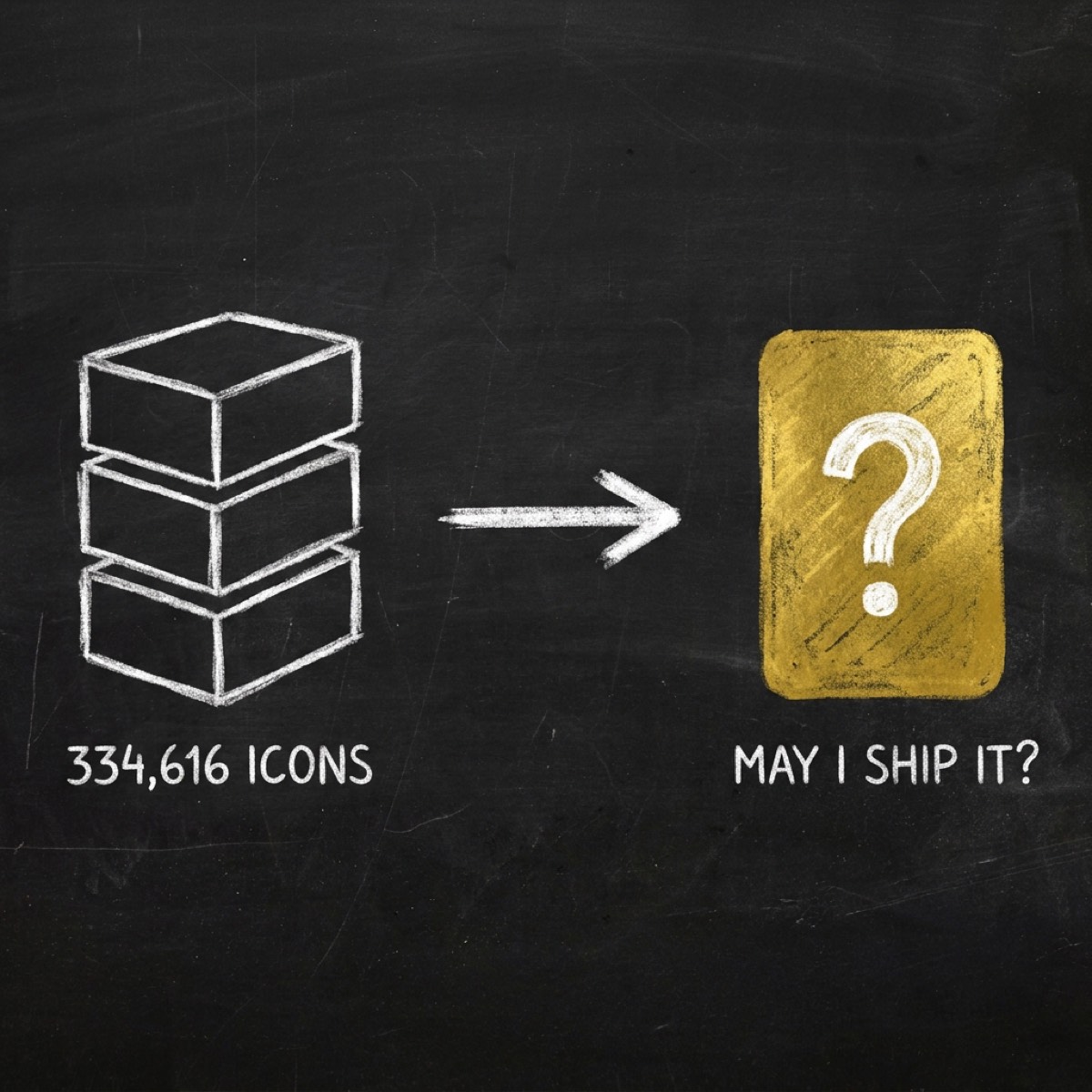
236 icon sets, one question: may you ship this to a client? The catalogue is a solved commodity. The contract around it was written down nowhere, so I wrote it down.
Posts tagged with "skill-launch" · View all
236 icon sets, one question: may you ship this to a client? The catalogue is a solved commodity. The contract around it was written down nowhere, so I wrote it down.
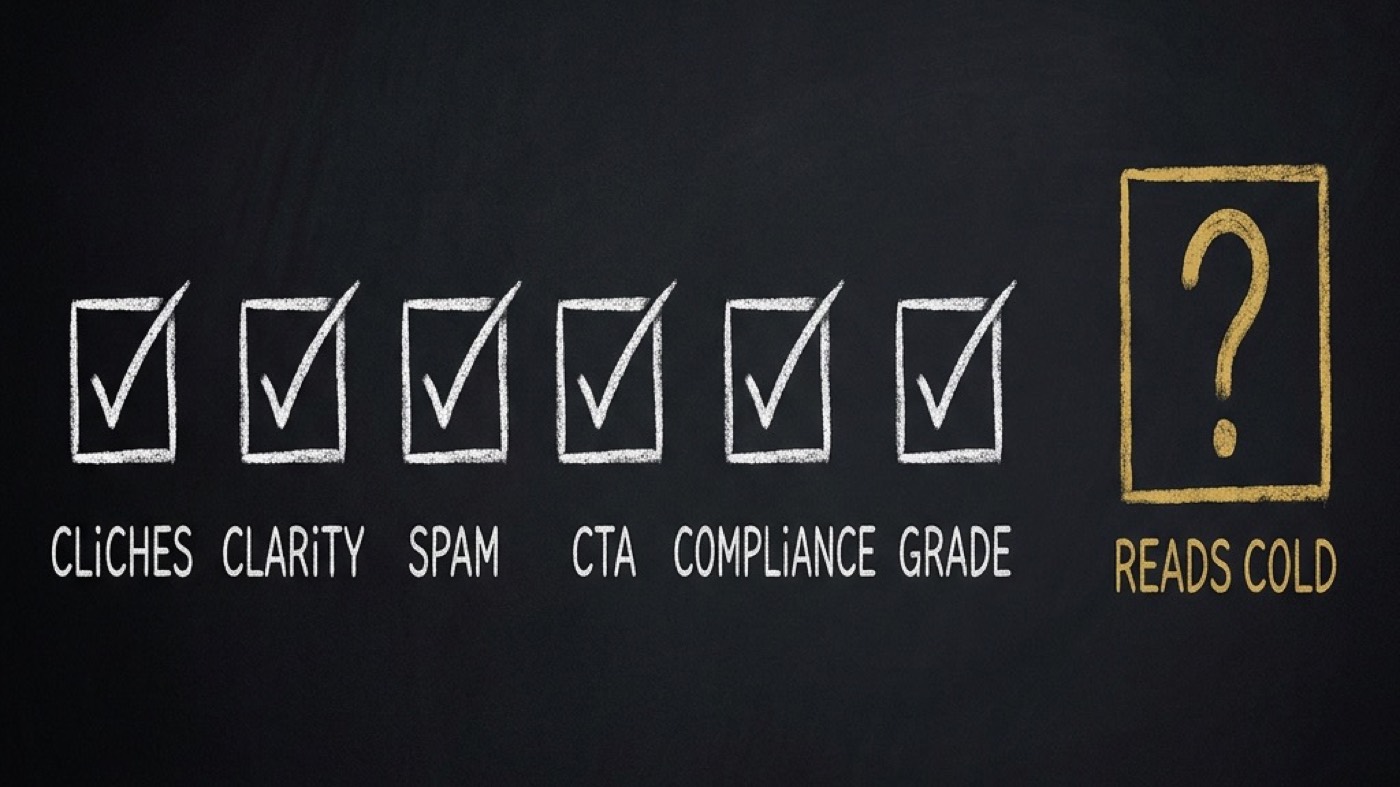
Six hygiene checks all passed and the piece still read like a memo. Four numbers explained why. copy-engine 0.6.0 adds the story-led register and the script that measures it.
Great feedback and no sales is not bad luck. It is a specific failure in a specific section of your presentation — and it is the one that catches the best teachers hardest. How to tell which of the four sections actually broke, instead of rewriting all of them.
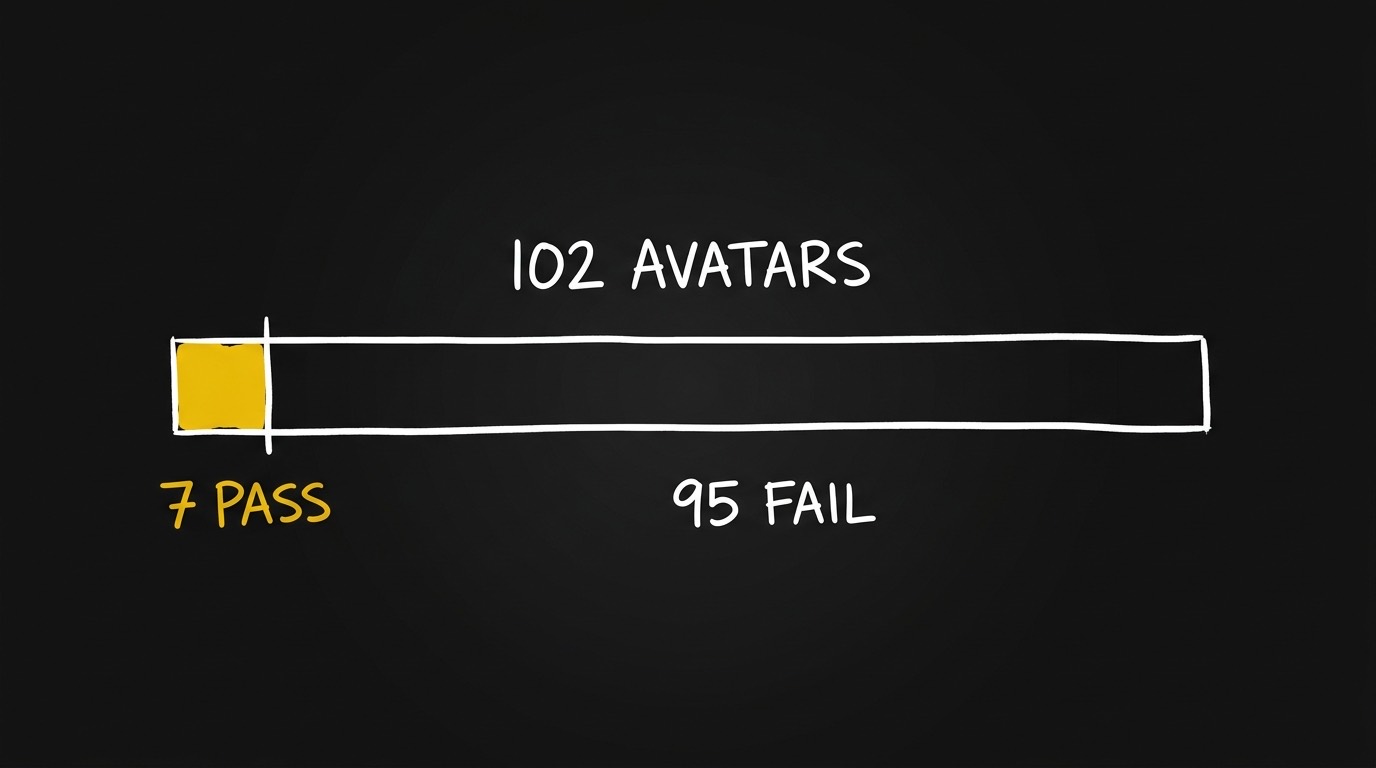
I ran my persona gate across all 102 avatars in my own catalog. Seven passed. The A/B that followed showed the gap is a prompt gap, not a provider gap, and that is what @di-atomic/persona-builder closes.
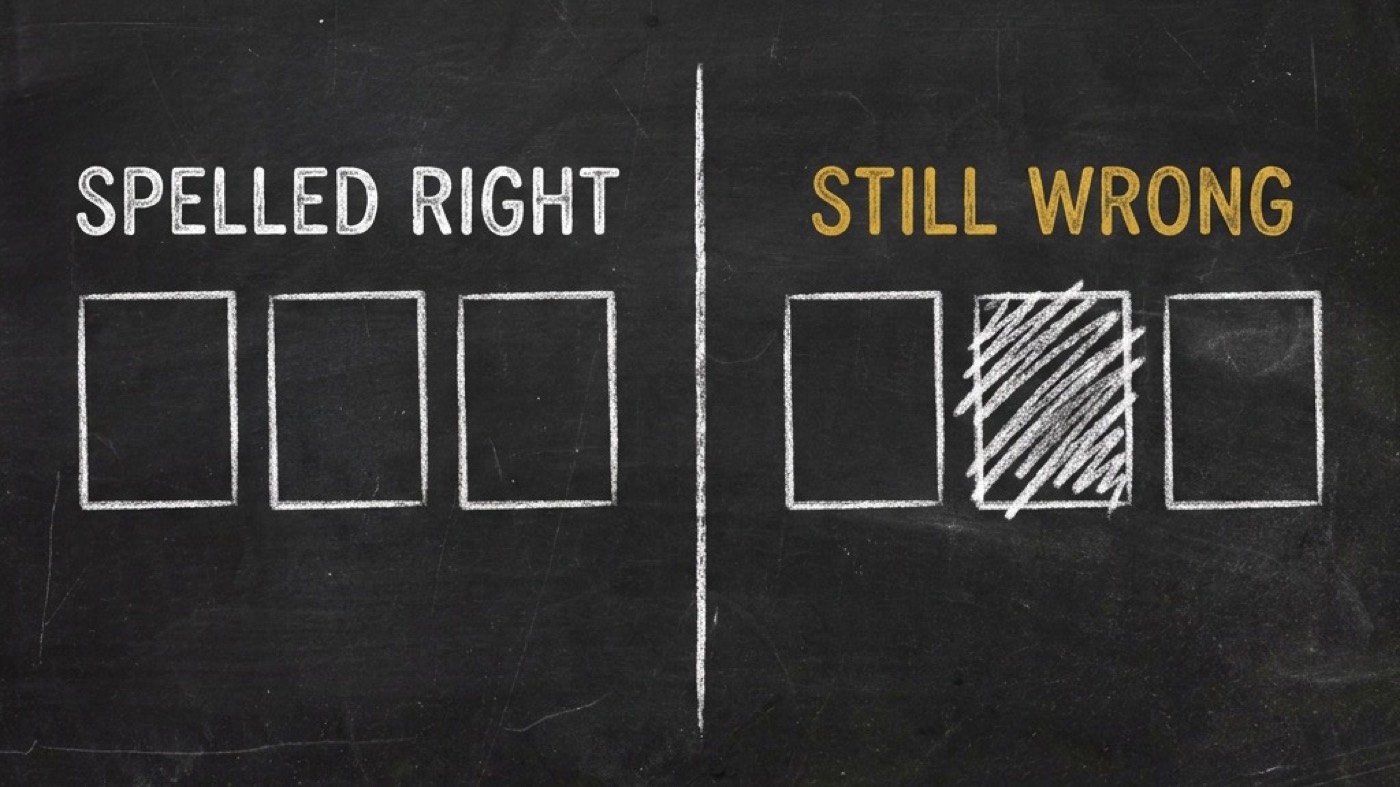
Every infographic skill justifies rendering from code the same way: image models garble dense text. I ran eight controlled renders. Spelling was perfect through twenty labels. What breaks at eight is which labels appear at all, and a spellcheck passes that graphic while it is quietly missing one of your facts.
Gmail's own result count reported 201 for a true count of 35. The output flag exits 0 and writes nothing. An unsent draft passes attribution checking because its id is genuine. All three return success. Here is the skill I built around not trusting any of them.
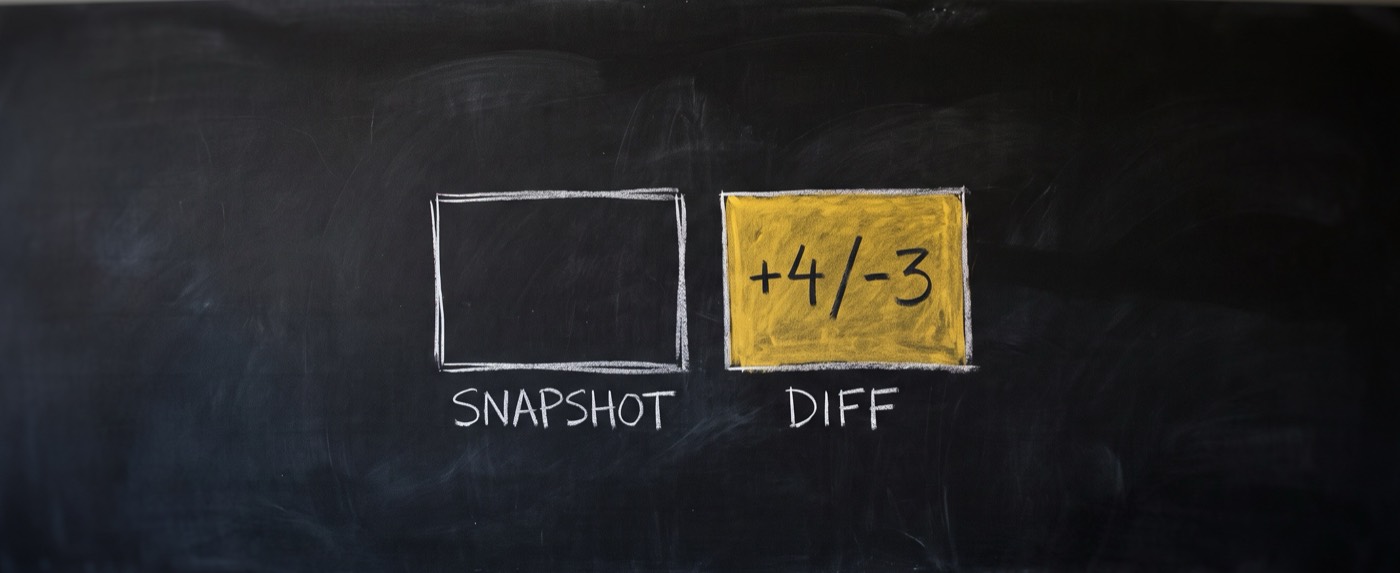
A re-snapshot and a real diff look identical on the page, and nothing in the report tells you which one you are holding. Here is how I made "changed" a server-side fact instead of a writing-discipline problem, and the four numbers from 32 live probes that would each have put a confident wrong figure into a report.
I built a script that checks whether every number in a pricing memo cites its source, then ran it on my own first draft. 36 numeric claims, 36 unsourced, FAIL. Getting to zero took four rounds and found four defects in the skill itself.
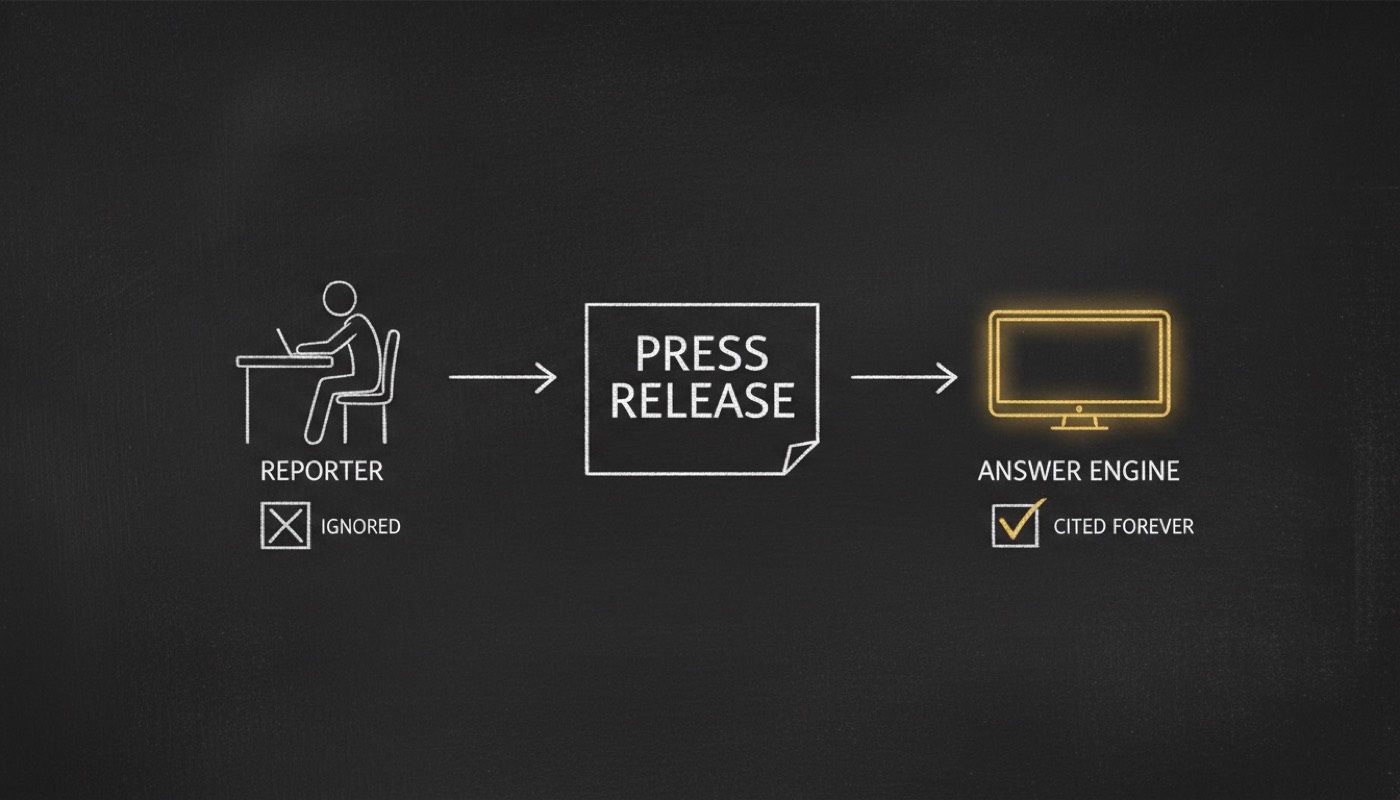
The most famous line in PR is gone from every modern newsroom I checked, and so is the ### end marker. Not because the press release died, but because its audience changed: answer engines now read it and cite it permanently, which moves the whole quality bar.
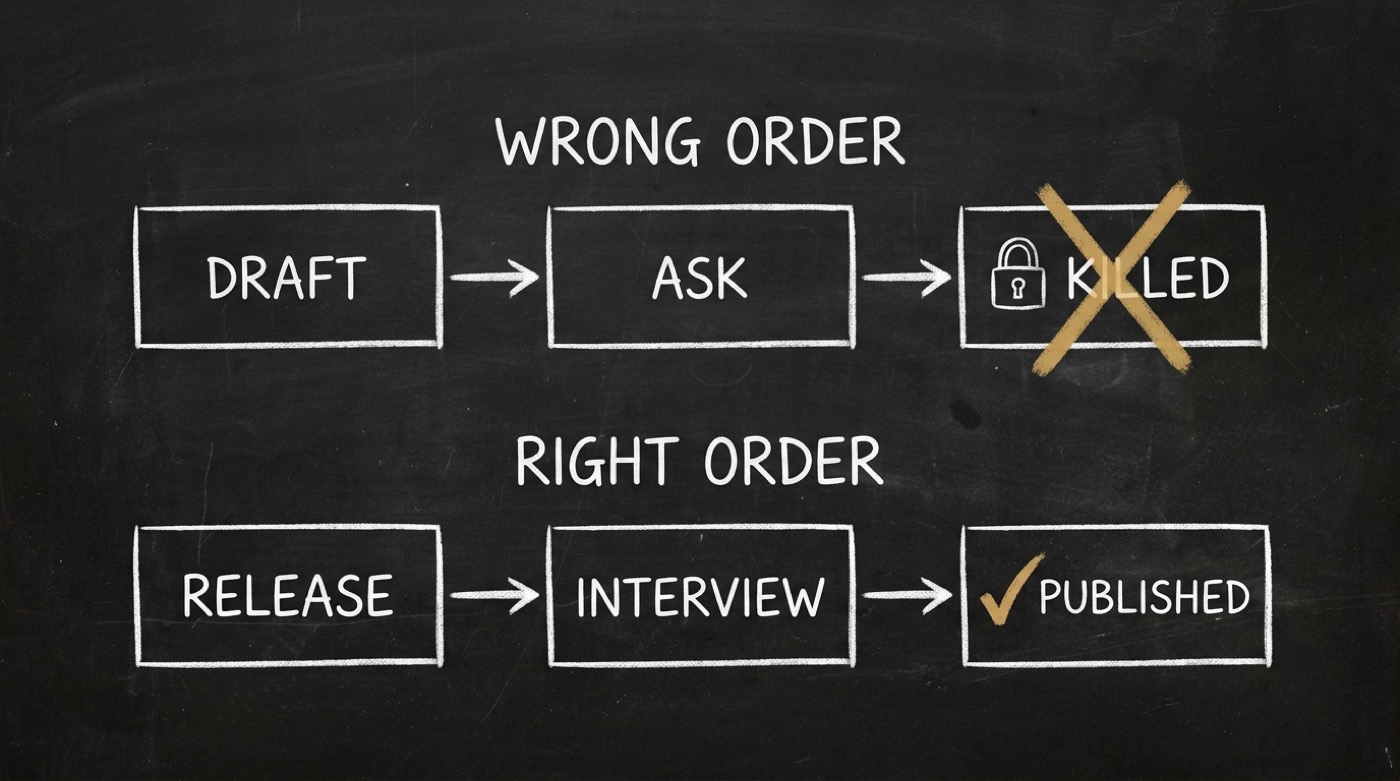
A year ago I wrote up my best client win, then asked for sign-off, and legal killed it — months of proof sunk one signature short. Here's the fix I built into a skill: get the release before the interview, source every number, and let the client hold the pen.
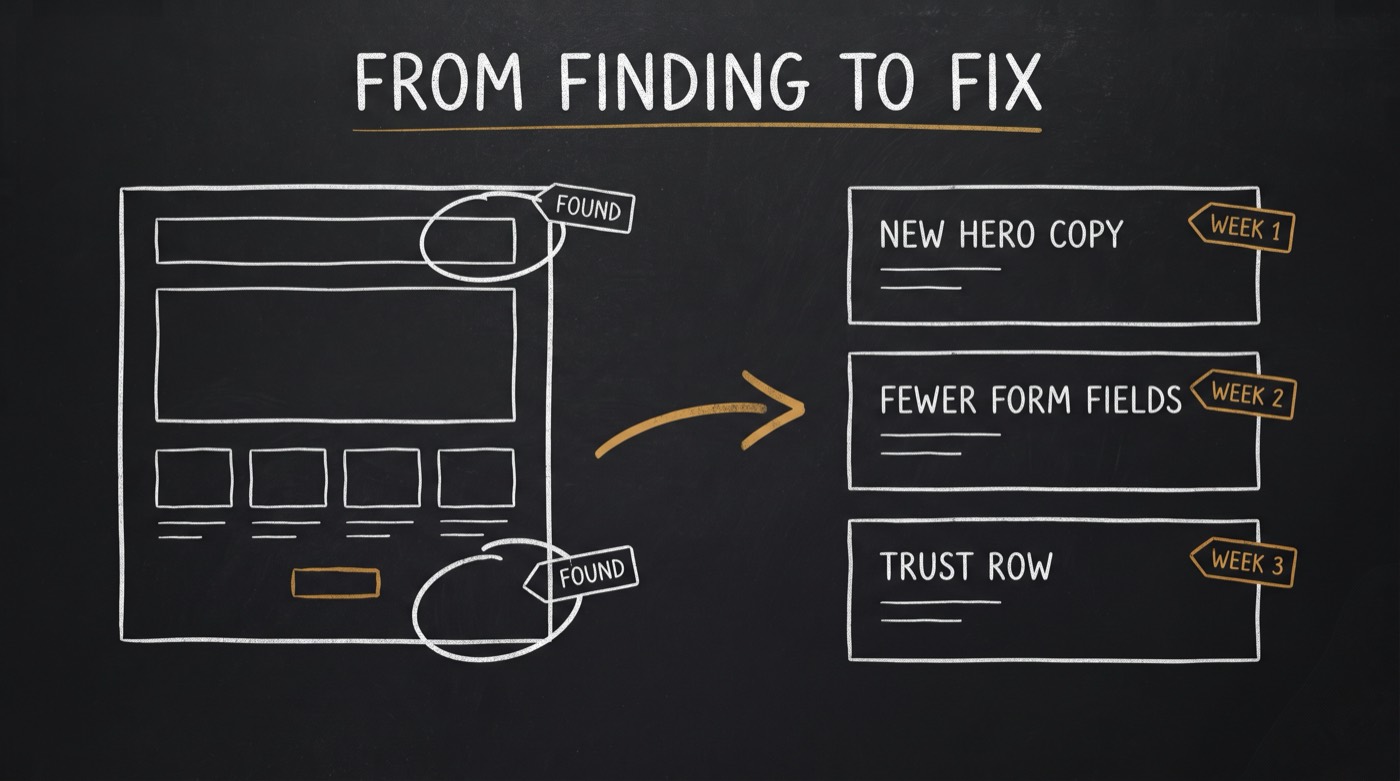
Cutting a form from 11 fields to 4 lifted conversions 120%. Cutting one from 9 to 6 dropped them 14%. Both are real, which is why "reduce form fields" is not a rule. Here is the skill I built to turn an audit into a plan you can start on Monday, and why it refuses to write down 27%.
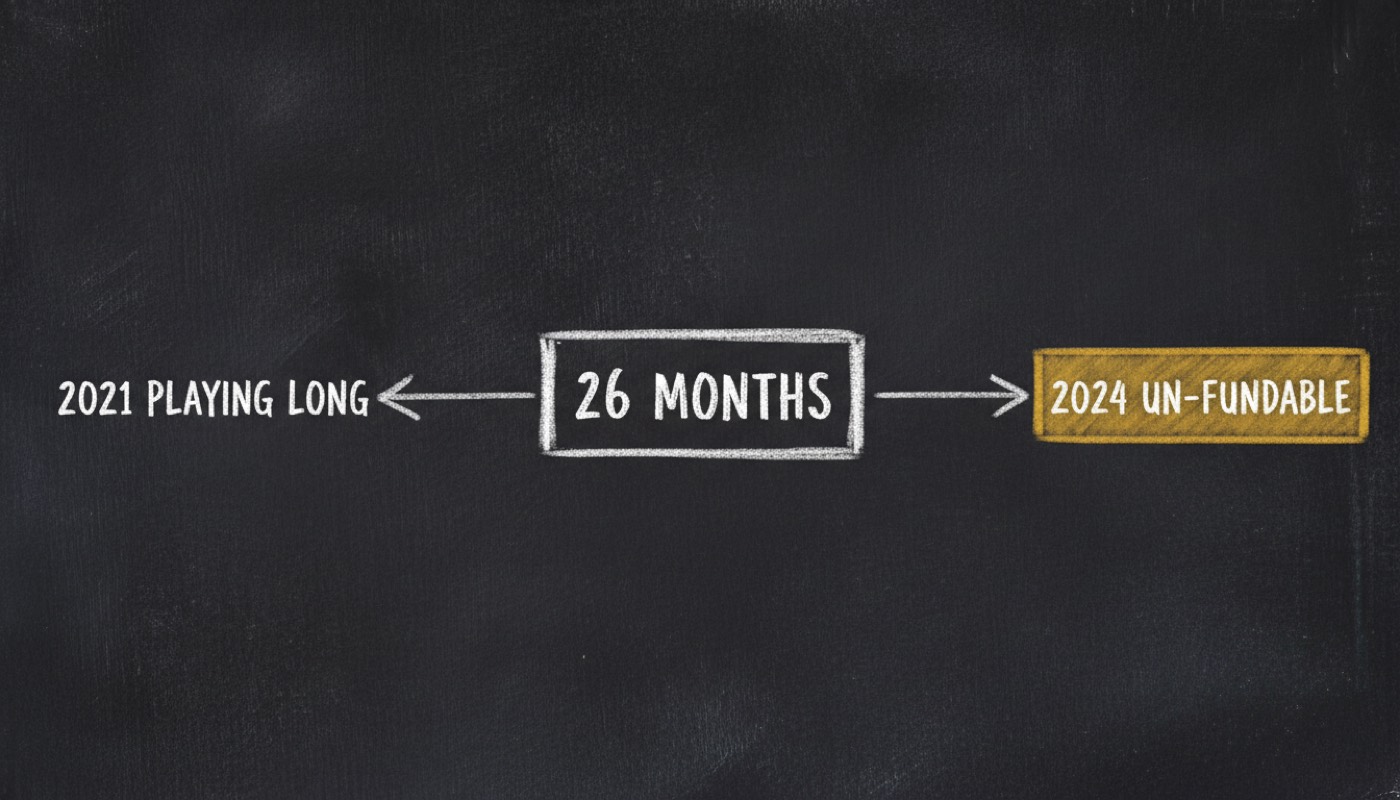
Two founders showed me the same 26-month CAC payback. I told one it was fine and the other it was why they would not raise. Both reads were correct. Here is why a number carries a verdict only for someone, and the KPI skill I built to stop AI telling founders their numbers look solid.
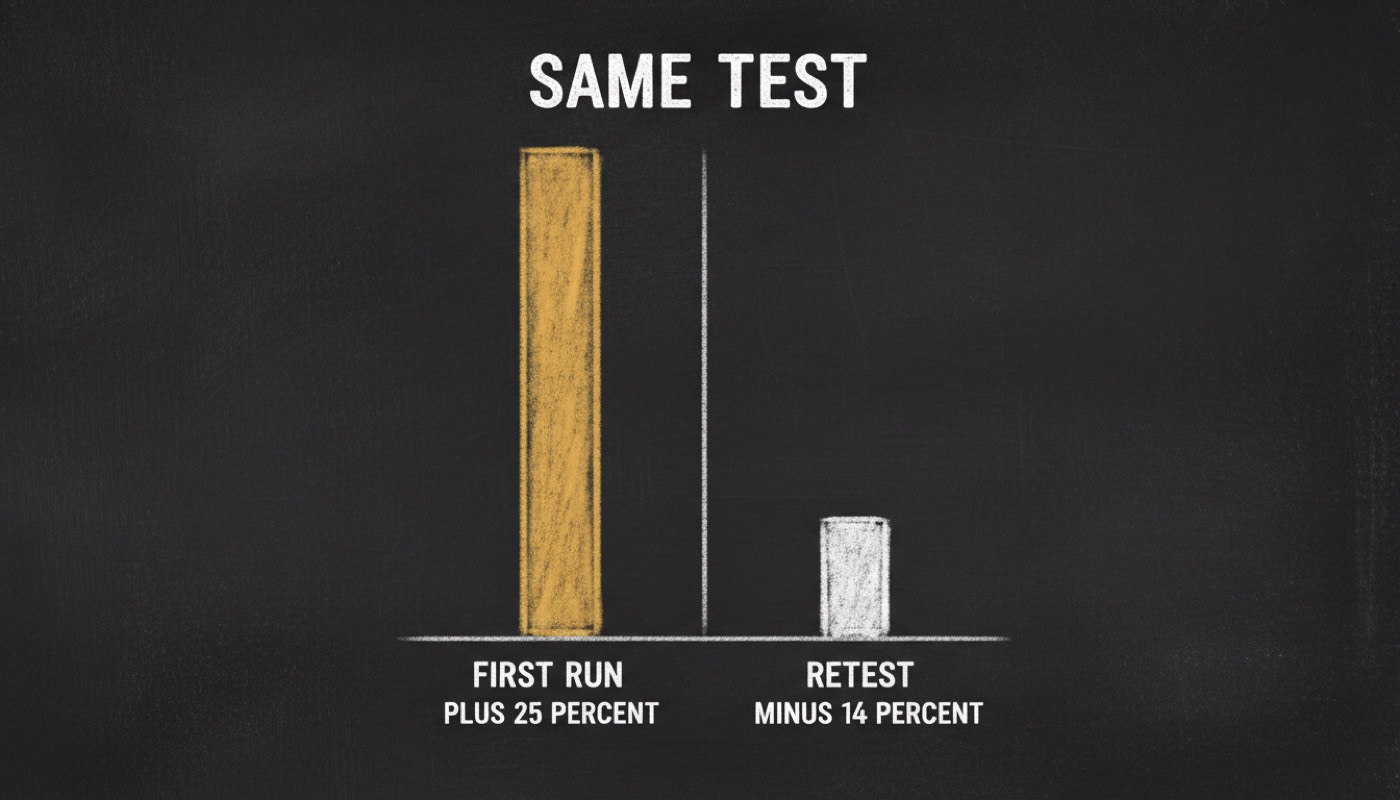
A quiz-flow test came back +25%. I wrote it down as a win. Someone re-ran it later and got minus 14%. Nothing broke — I just treated one run as a fact. Here are the four numbers that changed how I read every result, and the skill I built to stop a CRO program from believing its own wins.
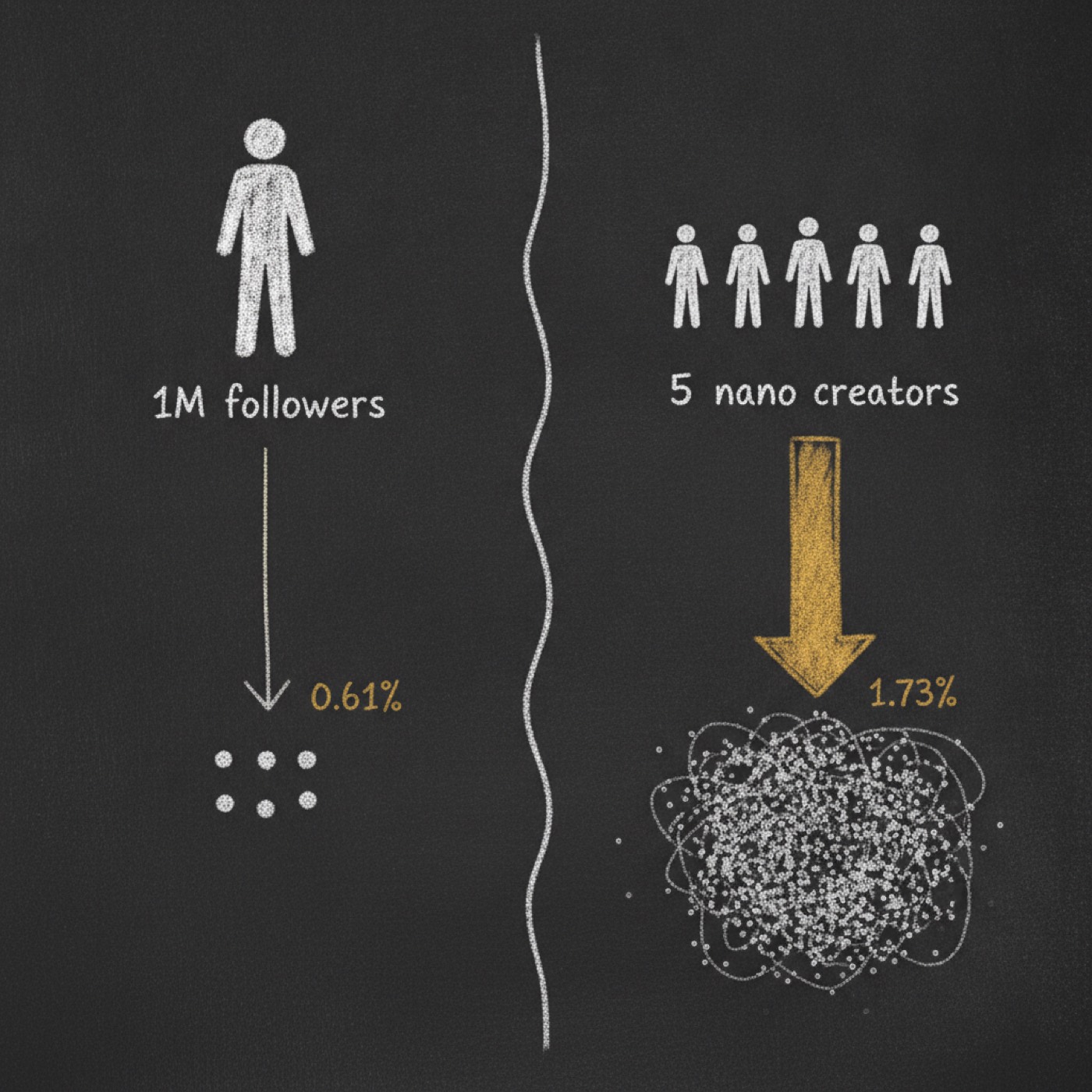
I believed a creator with a million followers was worth more than twenty small ones. Then I pulled the 2024 engagement numbers: nano 1.73%, macro 0.61%. Here are the three things I got wrong about creator marketing, and the gates I built so my judgement on the day stops deciding them.
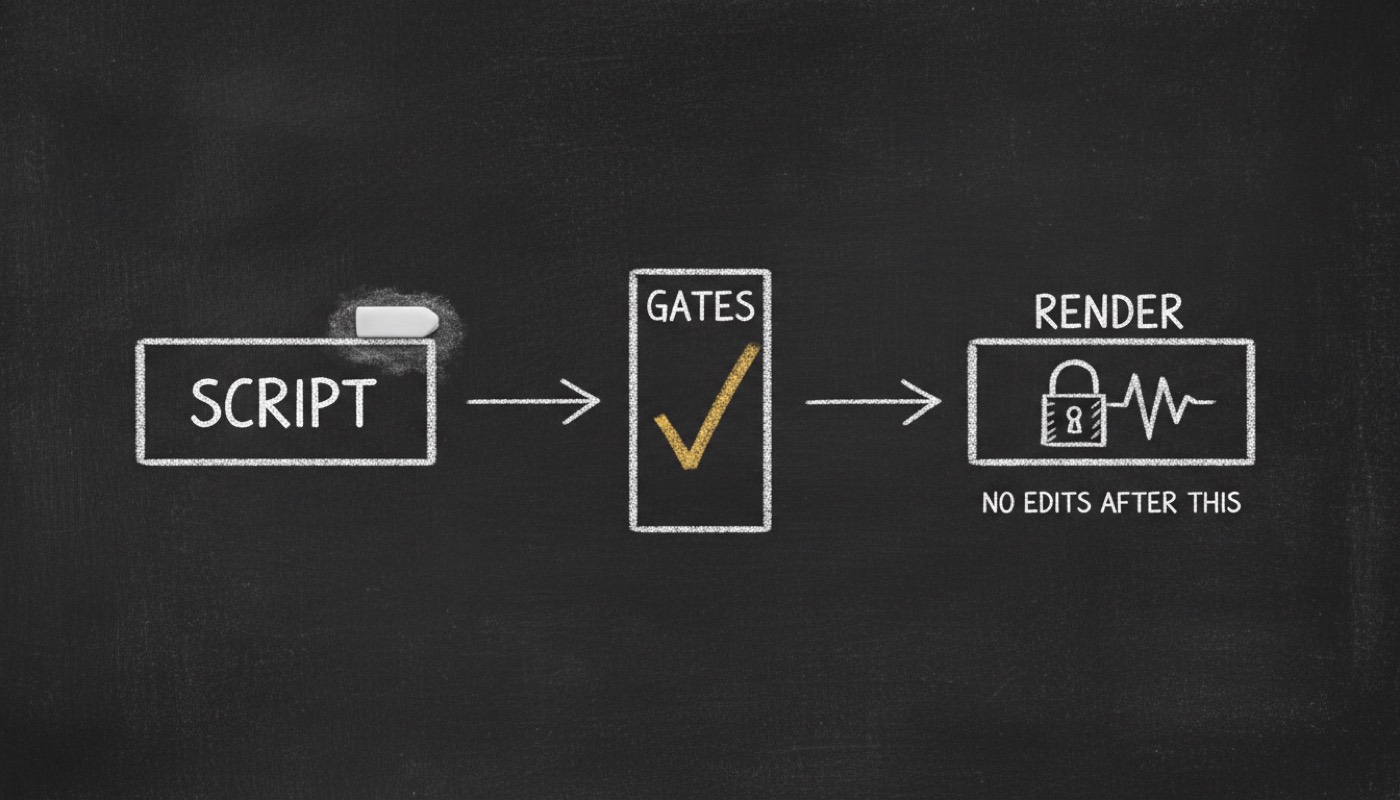
You can quietly edit a blog post. You cannot edit an episode somebody already downloaded. That one property decides where the quality work has to happen, and it is why my podcast skill writes and gates the script but refuses to render a second of audio.
A founder removed the credit-card gate from his trial signup and got 340% more signups and 60% less paid conversion. He had followed the advice. That is the problem with CRO best practice, and the reason my auditor now fails its own build when it produces a platitude.
Every churn tool sells the same motion: spot the leaver, offer a discount, dun the failed cards. I nearly shipped that, then checked it against my own book of business and found it was wrong for two of my three customer types. A discount rescues a consumer and gets an agency fired.
I expected the best community champion programs to run on budgets. Notion's ambassadors are unpaid. Cash attracts mercenaries; access attracts advocates. Here's that finding, and the harder rule I shipped with it: no champion and no partnership leaves my community skill without a revenue tie or an honest exploratory flag.
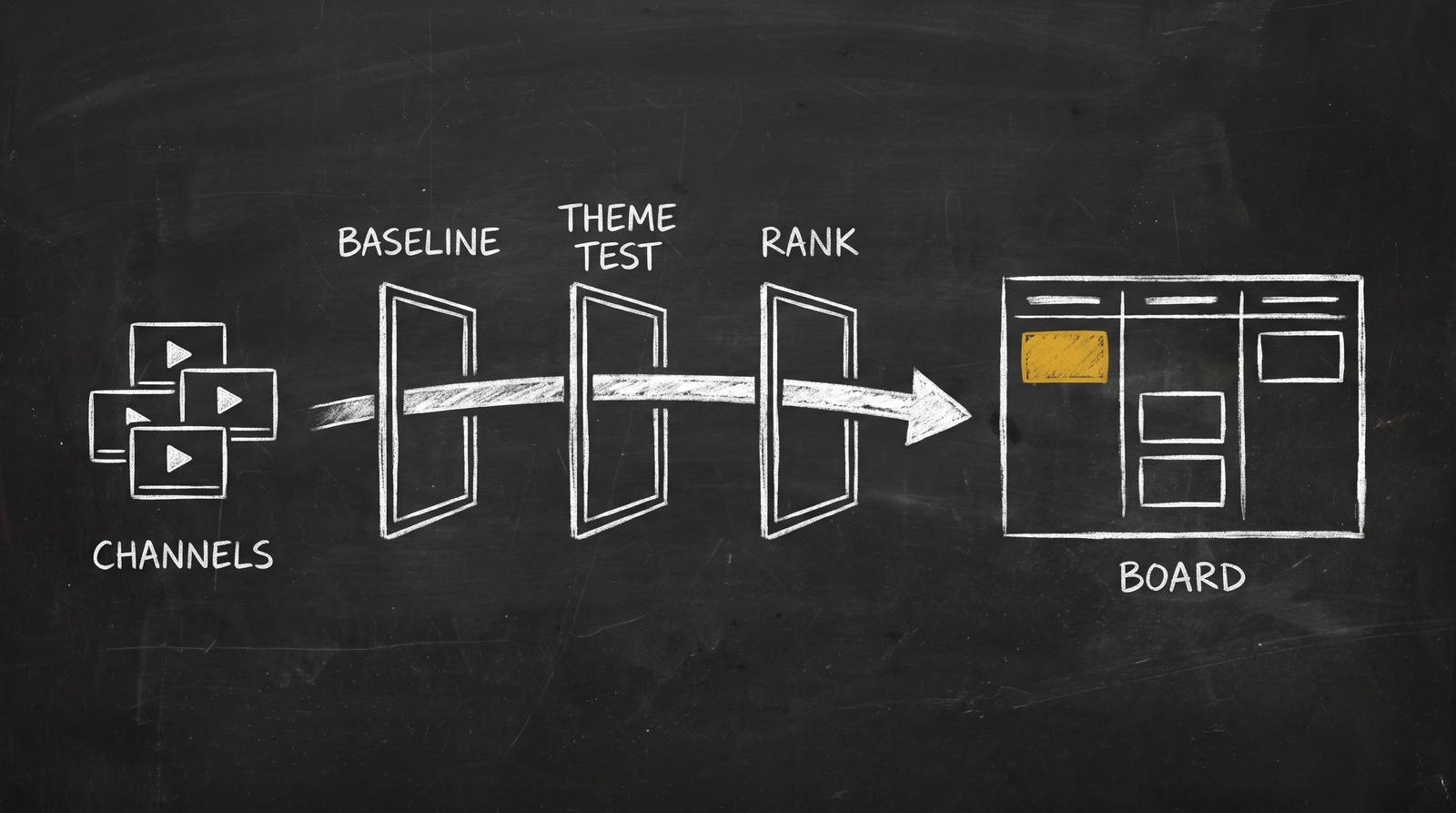
A prospect said "let me think about it" and my agent moved the deal to Proposal. Nobody had agreed to anything. Here's the rule that fixed it: a deal moves stage only on a logged buyer signal, enforced by a script that fails the board when it can't find one.
Every launch checklist still says submit to 100+ directories. That advice inverted, because AI now reads directory profiles to decide what to recommend, and a stale profile makes it recommend the product you no longer sell. Here is the skill I built around submitting to fewer.