
Stop asking if your numbers are good. Ask who's reading them.
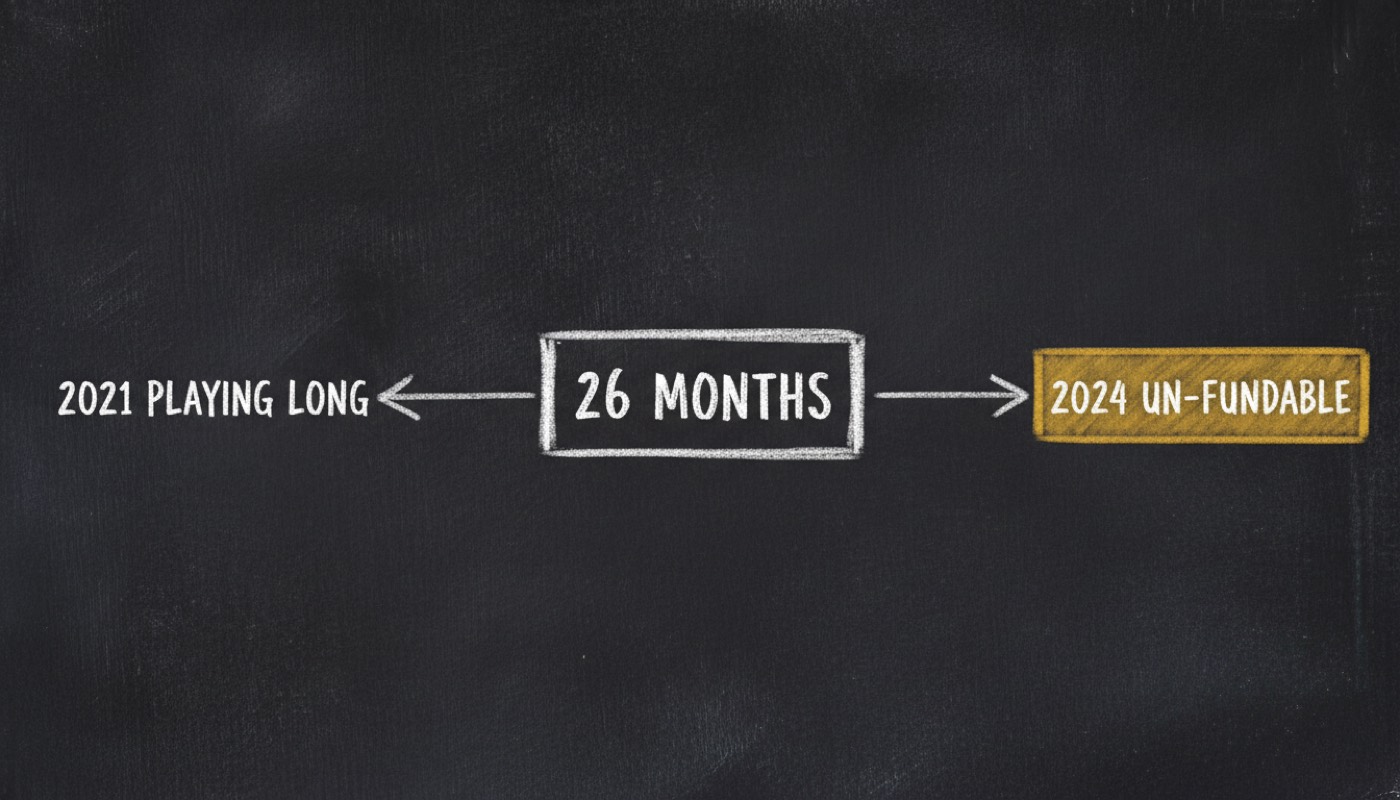
Two founders showed me the same number last month. A 26-month CAC payback. I told one of them it was fine. I told the other one it was the reason they would not raise.
Both reads were correct. That is the problem I built @di-atomic/kpi-advisor to solve.
Here is the part nobody tells you when they sell you a metrics dashboard: a number does not carry a verdict. It carries a verdict for someone. Your dashboard shows you 26 months. It does not tell you that a growth partner in 2021 would have called that "playing long," and that a 2024 efficiency fund calls it un-fundable. Benchmarkit tracked the median CAC payback drifting from 14 months to 18 months across 2023 and 2024. The market repriced. Your dashboard did not.
The real failure is not the math
Every founder I work with can calculate their numbers. Spreadsheets do that. What they cannot do is read them the way the person across the table reads them.
So they ask an AI, and the AI tells them their NRR "looks solid." That sentence is the most expensive thing in the room. It launders a leaky bucket as health. It gives you permission to do nothing for another quarter.
I made anti-sycophancy the actual product here, not a tone setting. The skill takes a position on every number. It names the benchmark that grades it. It tells you what evidence would change its read. There is a script in the bundle called lint-sycophancy.mjs whose only job is to fail the output if it ships an un-anchored hedge. I cannot talk my way past it, and neither can the agent.
Same numbers, four lenses
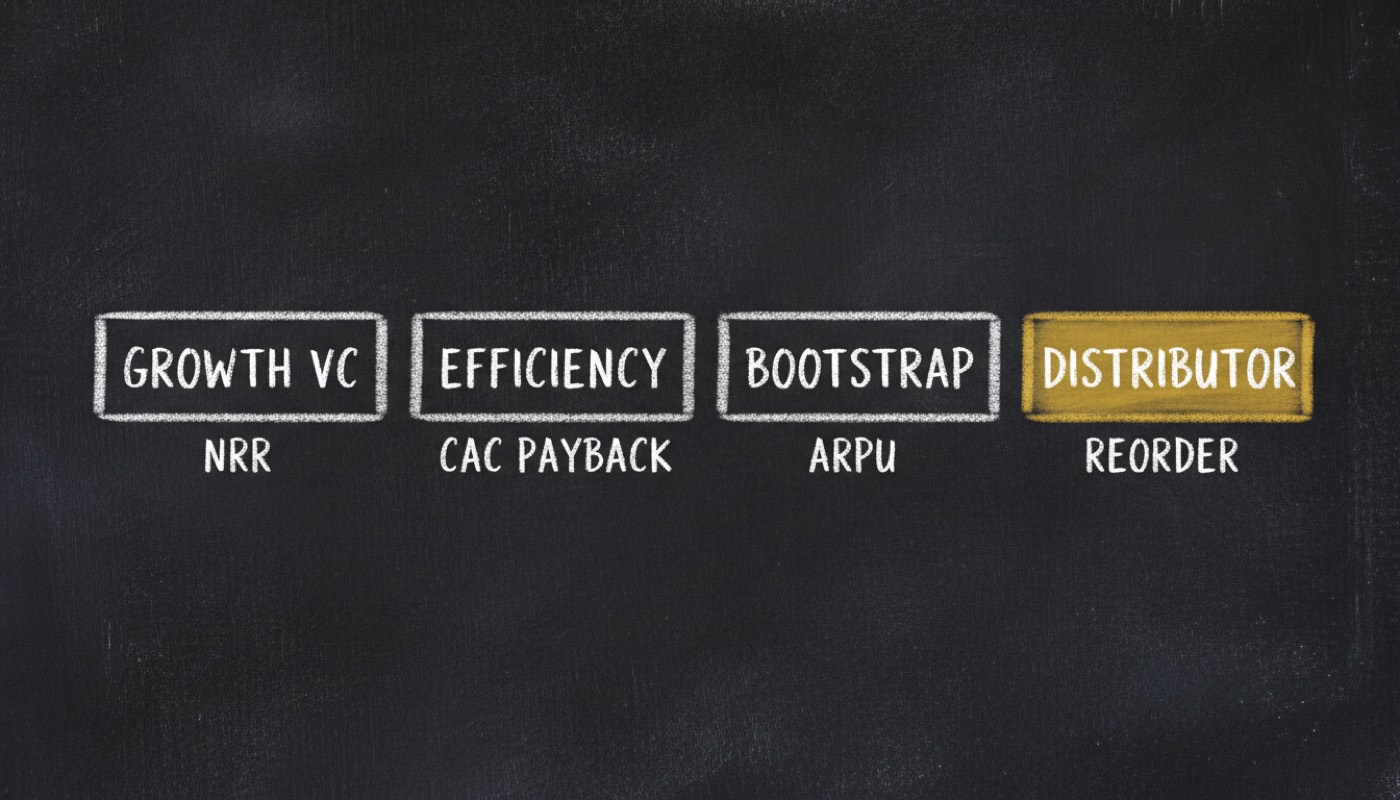
The skill asks you which investor lens to read through. It never picks silently, because picking silently is how you get advice built for a company you are not running.
Growth VC. Stares at NRR first. Walks below 100%. Segment medians sit at 118% for enterprise, 108% for mid-market, and 97% for SMB across the 939 companies Optifai measured. Best in class clears 120%; Snowflake reported 125% in FY26. At 97% you are renting customers, not compounding them, and the round prices off a shrinking base no matter how good your logo growth looks.
Efficiency lens. Stares at CAC payback and burn multiple. This is the lens that turns 26 months into a no.
Bootstrapper. Optimizes owner cash flow, not venture scale. It does not care about your TAM slide. At $66 ARPU you need 150 customers to clear $10k a month. That is your actual target, and telling a bootstrapper to chase NRR above 120% is advice for somebody else's business.
Regulated B2B distributor. This is the one no other skill ships, and it is the one I care most about.
The lens that saves my distributor clients from bad advice
Di-Atomic has been a compliance agency as long as it has been a marketing agency. REACH, CLP, biocide notification, SDS, GHS, Only Representative. When I point a SaaS-trained advisor at a chemicals distributor, it produces confident, well-formatted, wrong answers.
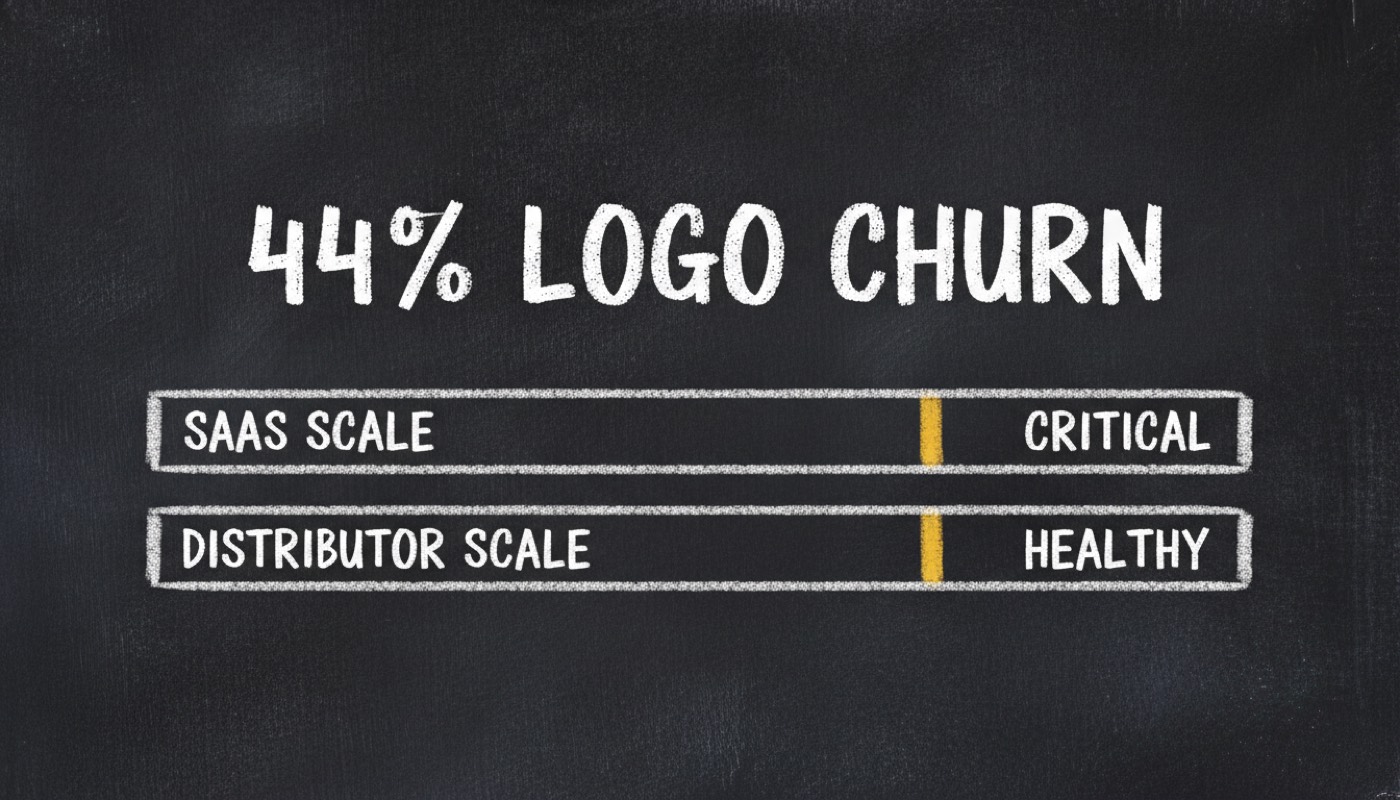
Wholesale runs around 44% logo churn as normal. B2B twelve-month retention sits near 72.5%. About 80% of value creation comes from existing accounts. Feed those numbers to something holding SaaS thresholds and it flags a healthy distributor as CRITICAL, because in SaaS that churn would be an emergency.
It is not an emergency. It is Tuesday.
The distributor branch measures different things. Reorder cadence, not monthly logo churn. Account-level NRR weighted by concentration. Registration coverage, meaning how many of your SKUs are actually authorised and therefore sellable. And switching cost that is regulatory rather than contractual: REACH registration and Only Representative status create lock-in a software seat never has, so retention is structurally stronger than the logo number suggests.
Real red flags still exist for a distributor, and the skill surfaces those instead. Revenue concentrated in one or two accounts with flat reorder revenue. SKUs selling ahead of their authorisation. Reorder cadence stretching quarter over quarter. That last one is the true churn signal in this business.
I built this branch off the Pamit Group and SMS Chemicals corpus, which are real Di-Atomic clients, not case studies I borrowed.
How it actually works
There is no backend. This is a guidance-only skill, which means the agent's own model reads SKILL.md and runs the decision tree itself. Nothing to provision, nothing to authenticate against.
The numbers come from wherever you have them. You can type them in. It can read GA4 and PostHog through their own read-only MCP servers. Or it can pull them from its peers, taking CAC and pipeline velocity from @di-atomic/sales-pipeline and churn from @di-atomic/retention.
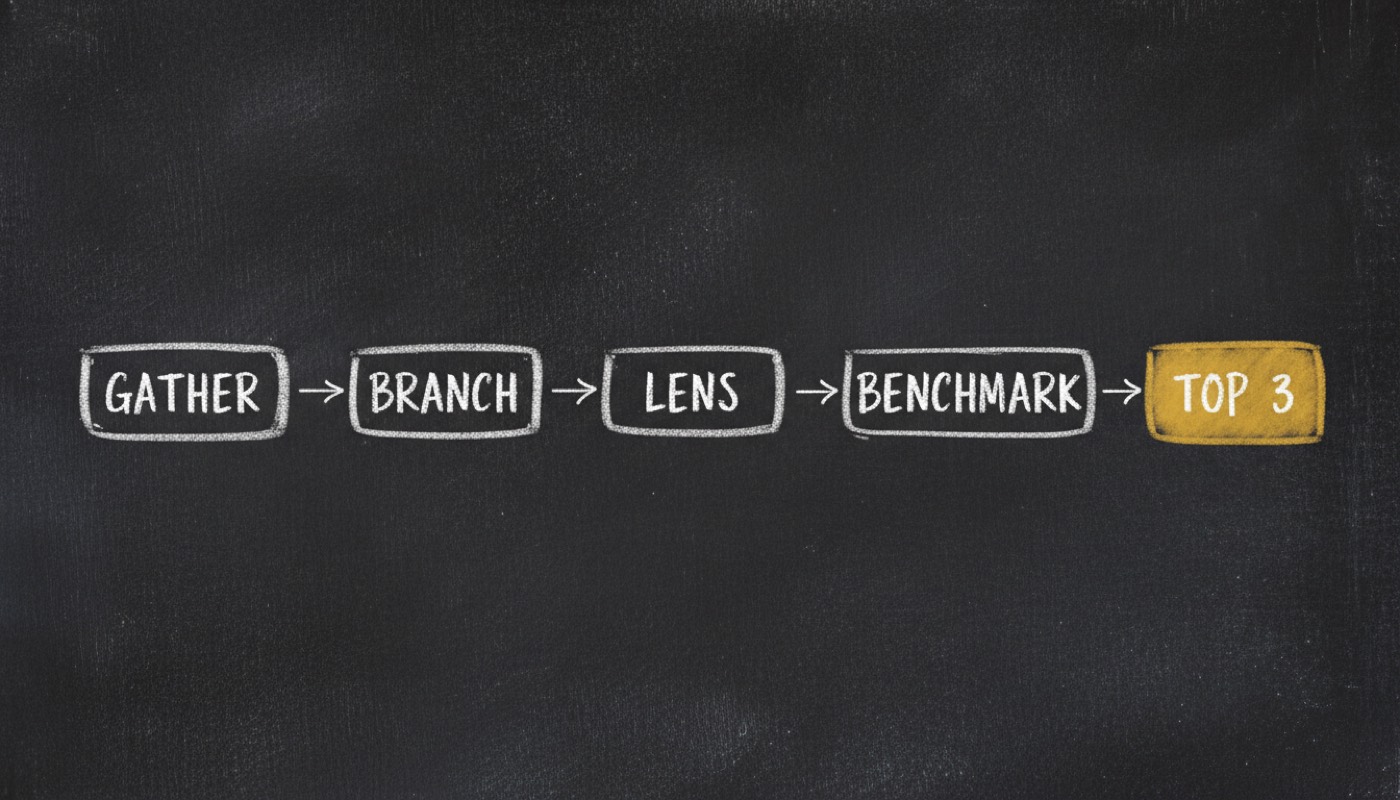
Then it branches on business model first, interprets each number in plain English before showing you the figure, applies the lens you picked, benchmarks against the current year, surfaces red flags, ranks the fixes, and hands you a board talk-track.
Underneath it: 55 registry items, every one carrying a live source and a real measurement. 14 learnings. Five scripts that gate the output.
What it refuses to do
This matters more than the feature list.
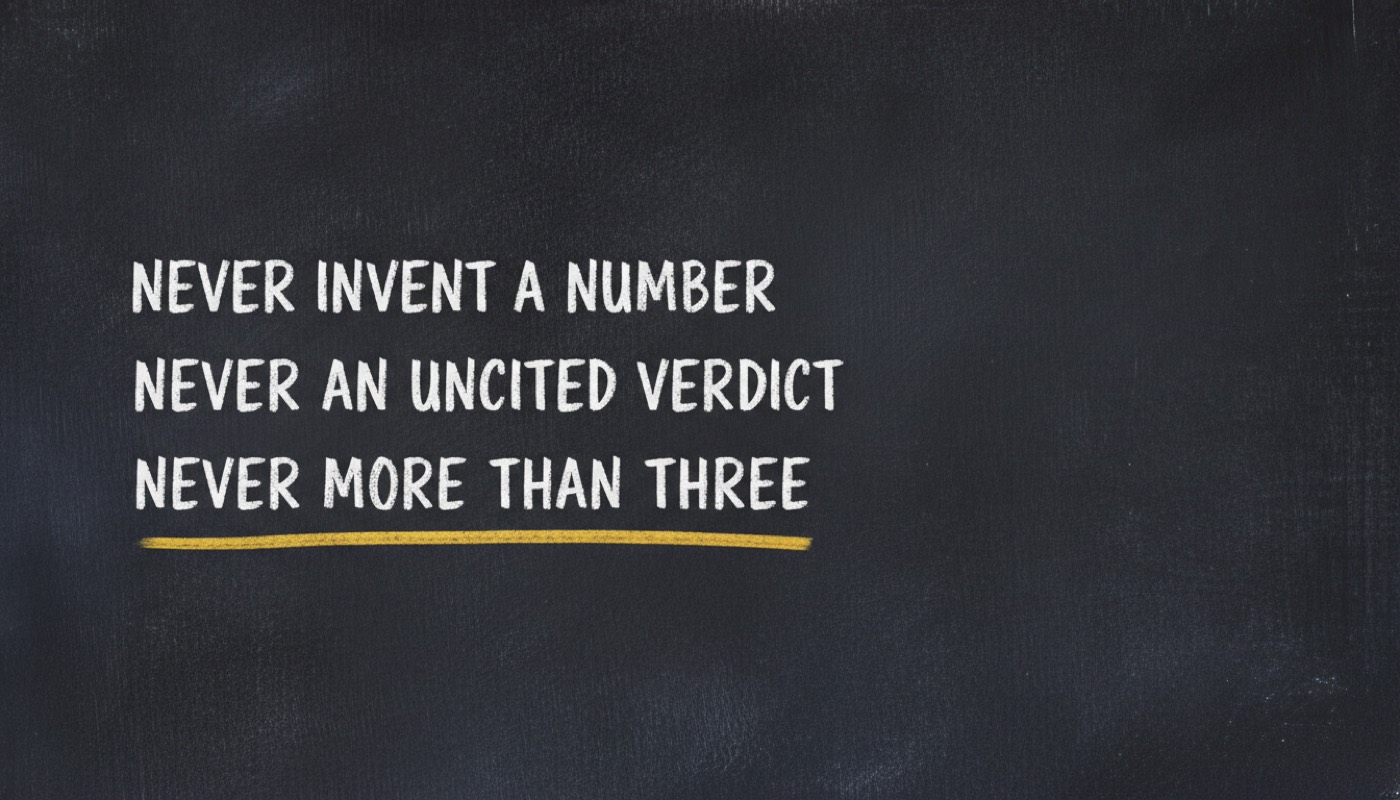
It will not invent a number. If a metric is missing from every source it has, it asks you for it or refuses to produce the brief. A guessed KPI presented with confidence is the most dangerous thing this skill could hand you, so it does not hand you one.
It will not give you an uncited verdict. Every HEALTHY, WATCH, or CRITICAL call points at a specific dated benchmark, so you can check whether that benchmark even fits your segment and year.
And it caps recommendations at three. Not because there are only three things wrong, but because a list of eleven priorities is a list of zero priorities.
Try it
@di-atomic/kpi-advisor is live on the OPVS marketplace.
opvs skills install @di-atomic/kpi-advisorThen ask it something you are slightly afraid of. "Read my numbers like a 2026 efficiency fund would." "Would this pass a Series A?" "We have four months of runway, what do I do?"
It will not tell you that you are doing great. That is the point.