
Four design skills is not a designer. This is the role that routes a visual request, produces it, proves it with the owning skill’s own scripts, and hands back a hosted asset with its verifier report attached.

For teams who already installed the design skills and found that none of them finishes the job.
The four design skills are each deliberately narrow, which is what makes them good. But each stops somewhere different and none of them stops at done. Install all four and you own four half-pipelines plus the job of knowing which one to open.


client-intake
Blocking, and it produces no asset. It decides the brand’s icon set, style pack, design system and mark permissions once, then writes them somewhere durable. A second run confirms rather than re-decides.
asset-request-route
The main loop. It names the artifact class out loud before producing anything, produces exactly one class, and finishes the pipeline through the one render call the four skills do not hold.
infographic-build
Carries the fabrication gate and the HTML-versus-raster routing rule. HTML is the primary product; raster is the exception, taken only when the style is genuinely illustrative and the label count is low.
icon-system-adopt
A dead icon token renders nothing and raises no build error. Every token is resolved against the live set by script, and share-alike or non-commercial licences are hard blocks on a paid deliverable.
render-path-escalation
Every branch is a measured failure, not a hypothetical. An aborted render may have succeeded, so the asset is searched for by content before anything is re-rendered and billed twice.
Twelve linked skills. Six it reads and runs itself, six it calls. Across all twelve there is exactly one call that actually renders an image.
Another role reaches this one at graphic-designer@profession.md. The structured brief lives on the card; the message points at it.
opvs-skills install @di-atomic/graphic-designerRun client-intake first. It is blocking and it produces no asset, which is the point. Your first thirty days should be one intake, then a run of requests where the constants are recalled rather than re-argued. The number to watch is not how fast the first asset ships. It is whether the second one costs less than the first.
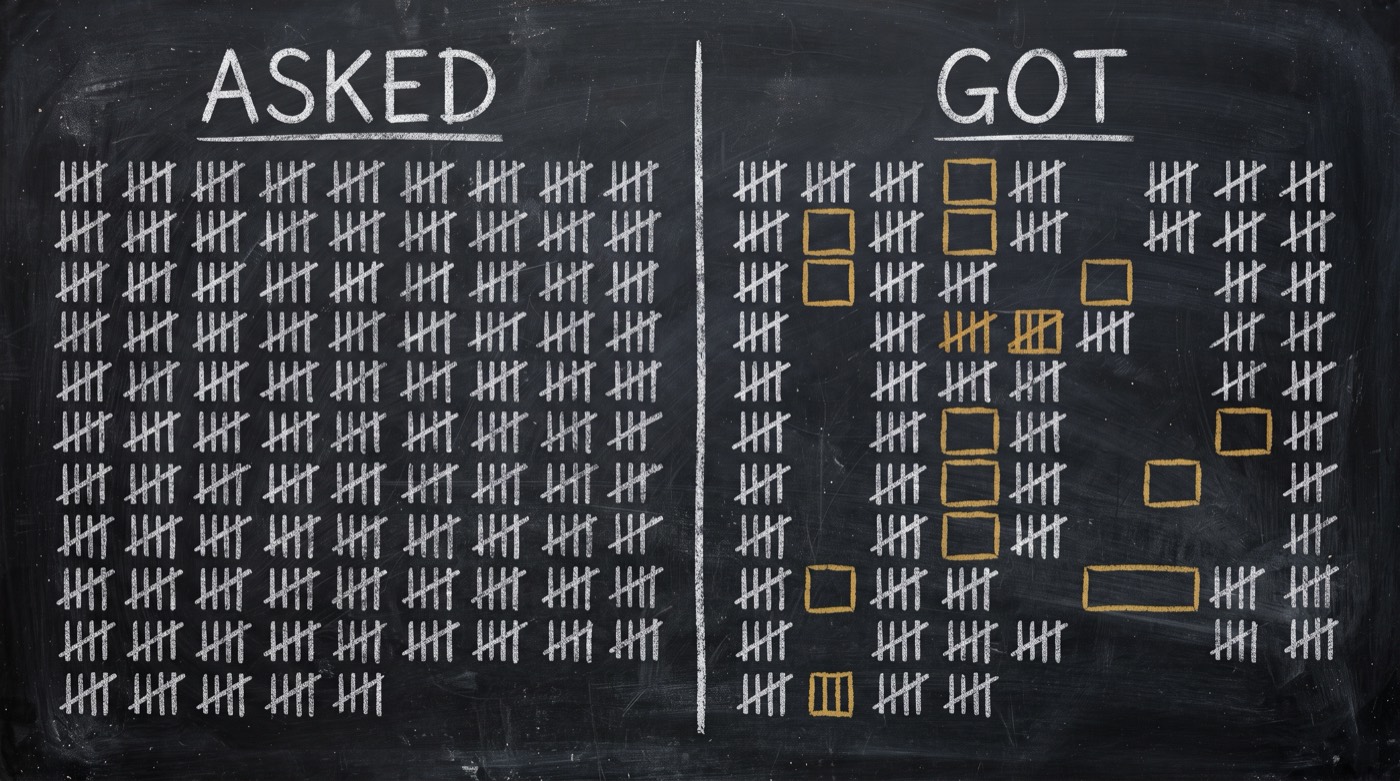
Every asset on this page was produced by the same stack the role ships with. The chalk diagrams above were planned as a shot list, rendered through the gateway, and checked frame by frame against what was asked for.
Book a 30-min call with Di-AtomicWant the craft on its own? See iconography and infographic.