
A forecast is not a pitch deck. Mine kills the idea.
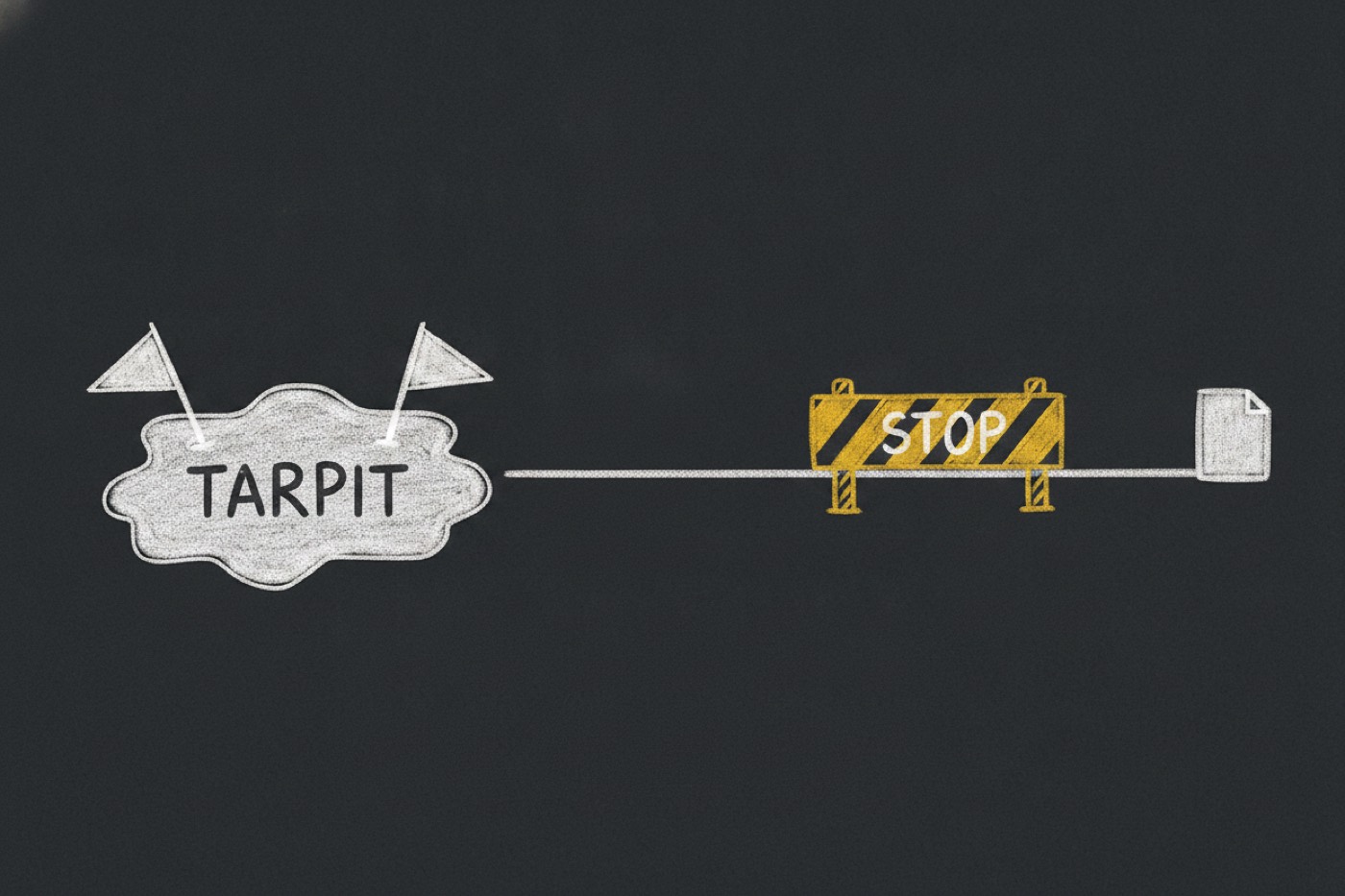
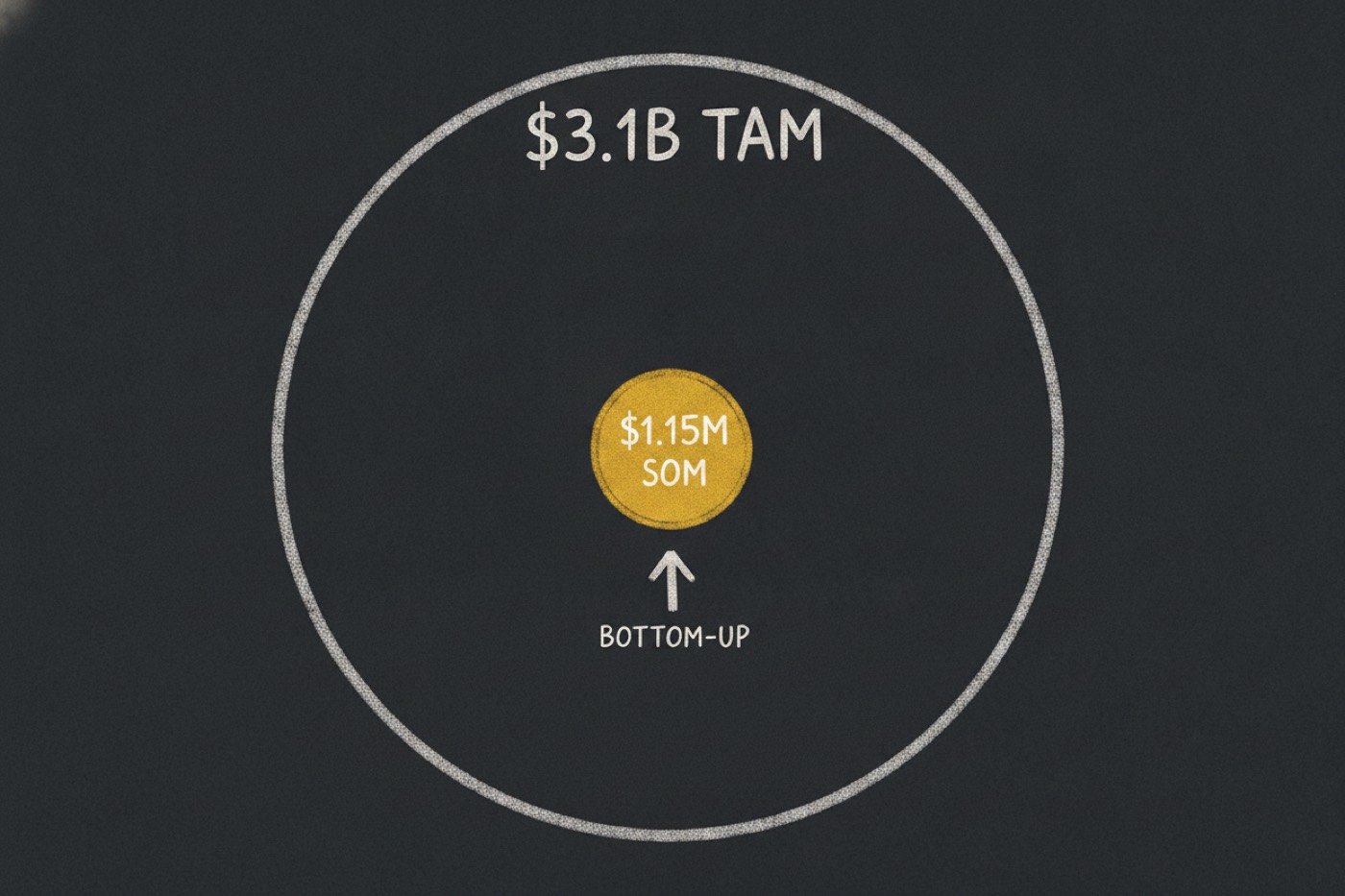
Most forecasting tools help you build the case. This one takes the idea apart first. It will not run a single number until it has written the obituary and checked your idea against five known tarpits. Then it sizes the market from the bottom up, because 60% of pitch decks inflate the top-down one.
For founders and operators about to bet real money or real months on an idea — and who would rather find out in week one than in month eighteen.

opvs-skills install @di-atomic/startup-forecastThen say: “forecast this idea”, “is this a tarpit?” or “should we enter this market?”
Why the order of the questions decides the answer
1. TAM ......... $50B
2. "we only need 0.1%"
3. SOM ......... $50M
4. risks ....... one line,
                 at the bottom

(the number anchored the
 optimism before a single
 risk was named)
Founders spend 80% of their time on TAM because it is the easiest number to inflate, and 20% on SOM because it is the hardest to defend.
1. pre-mortem .. "it is dead in
                 24 months. why?"
                 3+ named modes
2. tarpit scan . 5 patterns
                 any HIT -> STOP
3. SOM ......... bottom-up,
                 5 factors named
4. TAM ......... labelled
                 directional
verify-tarpit-scan -> PASS
Investors run it the other way round. “The team cannot explain their SOM” is the red flag they name first.
You cannot un-anchor a number once you have seen it. So the number goes last.
What you actually get
A pre-mortem you cannot skip
It asks the Kahneman question verbatim — it is 24 months from now, this is dead, what killed it? — and forces at least three named modes with an early warning indicator each. verify-tarpit-scan.mjs checks the pre-mortem appears before the first dollar sign, and blocks the forecast if it does not.
Benchmarks that know your model
3:1 LTV:CAC is a floor, not a goal, and it is a SaaS floor. Efficient runs 4:1–6:1, PLG hits 8:1–9:1, DTC lives at 1.5:1–3:1 and agency at 2:1–4:1. The skill classifies the business model first, then quotes. And it reports payback ranges, because payback — not the ratio — is what actually caps growth.
Ranges, never a point
Worst, base and best on every projection, anchored to at least five reference-class comparables rather than founder optimism. verify-scenario-ranges.mjs and verify-anti-optimism.mjs reject a single confident number and any absolute claim that it will work.
The two rules doing most of the work
One idea, question to verdict
> "should we launch a compliance SaaS for EU importers?"

  [1] classify ....... raw idea, no company yet

  [2] pre-mortem ..... "it is 24 months on. this is dead."
        killed by .... incumbent bundles it free        (market)
                       6-month sales cycle outruns cash (capital)
                       the regulation slips a year      (timing)
      tarpit scan .... 5 patterns ... 4 MISS, 1 HIT
                       "obvious idea in a crowded space"
      verify-tarpit-scan ....... STOP + override required

  [3] model .......... regulated -> its own unit-economics reference

  [4] size ........... TAM  $3.1B    directional, top-down
                       SOM  $1.15M   price x ICP x frequency x share
      verify-bottom-up-som ..... PASS   5/5 factors named

  [5] unit econ ...... LTV:CAC 3.4:1   floor cleared, not efficient
                       payback 14-19mo the actual constraint

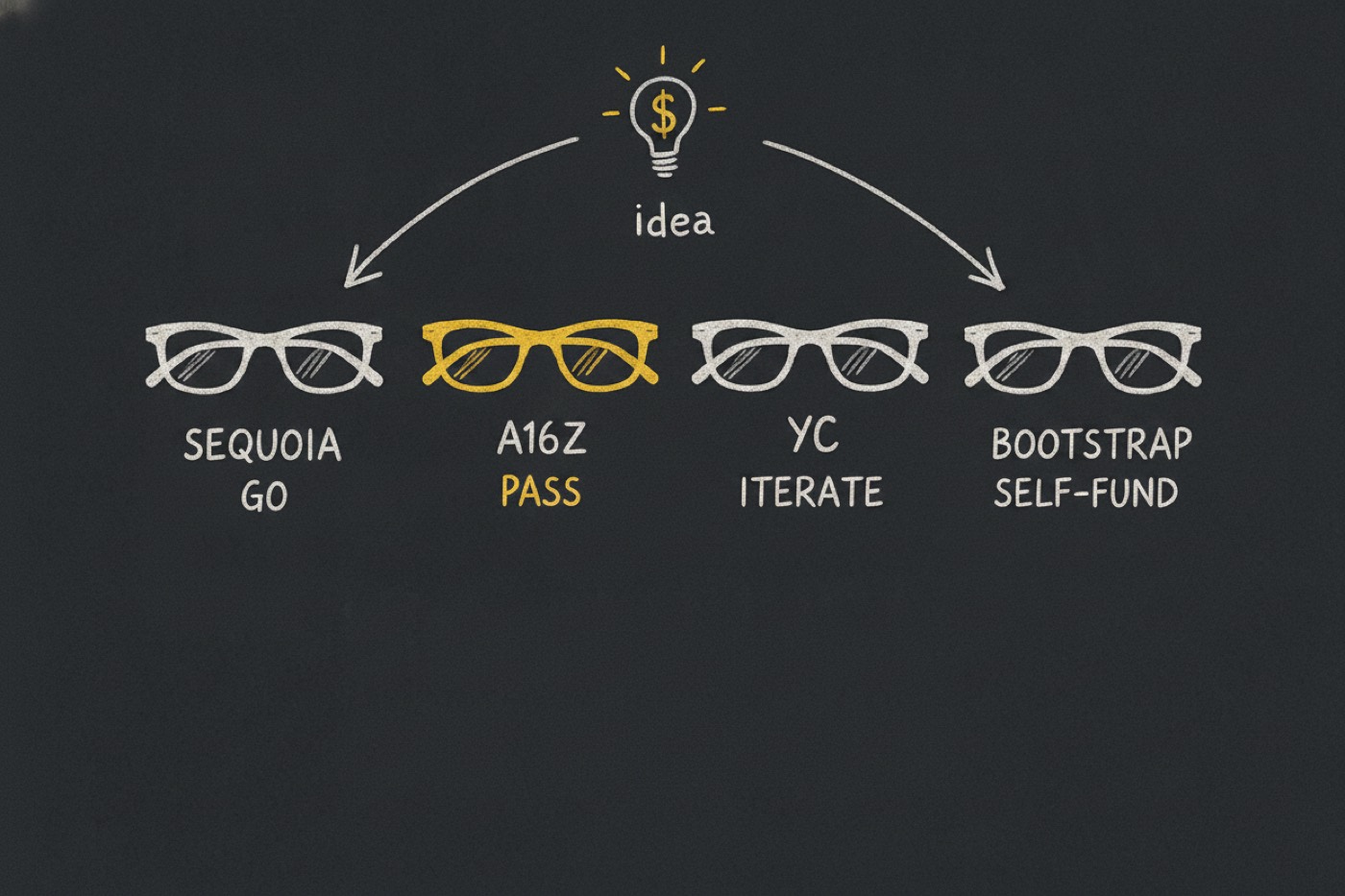
  [6] four lenses .... sequoia GO . a16z PASS . yc ITERATE . bootstrap SELF-FUND

  [7] ranges ......... worst / base / best on every line
      verify-scenario-ranges ... PASS
      verify-anti-optimism ..... PASS   6 comparables anchored

  -> forecast versioned to AgentDocs. revisit scheduled in 6 months.
The tarpit HIT does not end the conversation. It changes it — from how big could this be to what is your unfair insight that the graveyard lacked. That is the question worth answering in week one.
Where it stops
kpi-advisor reads the present, analytics wraps the past, this one projects. Ask it for a single headline number and it will refuse.I built this because I kept talking myself into ideas.
startup-forecast is one skill in the system behind Di-Atomic — the marketing & compliance agency that runs cognitoAI, SpiderIQ and OPVS. If you are weighing a launch, a new market or a strategic bet and you want the pre-mortem done properly before the spreadsheet — in any of our seven languages, including regulated categories like REACH and CLP where compliance is the moat — that is the day job. Let’s talk.
Book a 30-min call with Di-AtomicJust want the skill? Get @di-atomic/startup-forecast free.