
The closer. It picks up the thread when someone replies to your outbound and owns one outcome: a real meeting, on a real calendar, with someone who should be in it. One narrow ask per reply, in the prospect's own language, and never to any address except the one that wrote in.

This role answers replies. It never sources a lead or sends a cold first touch — that belongs to its sibling, email-outreach. The campaign side sends. This one holds the conversation.
Every inbound reply, from the moment it lands to the moment the meeting is held. It books fewer, better meetings on purpose.
client-intake
Blocking, and first. Collects the offer, hard disqualifiers, price boundary, approved answers, booking surface and supported languages, then checks three preconditions this role cannot verify about itself.
reply-classification
The gate every inbound passes. Inbound-only filter, recipient-guard assert, body fenced as quoted data, five-class call, and the thread language locked from the first message.
book-the-meeting
The core operation. Triggered by a positive reply: qualify against your disqualifiers, send one calendar link with one narrow ask, then confirm.
objection-answer
Triggered by an interested reply with one thing in the way. This is the class where meetings are actually lost, so it answers the question asked rather than the adjacent easier one.
no-show-recovery
Triggered by a booked meeting that has not been held. Confirm, remind, reschedule, and protect the slot until someone is actually in it.
end-the-conversation
Three terminal states, always exactly one: booked hands to sales-pipeline, nurture returns to the outreach ladder with a real date, lost suppresses permanently.
A profession doesn't bundle its skills. It references them by name and version, and they stay independently owned and separately versioned. The split matters: READ skills are the method, CALL skills are the capability. Four of these are OPVS platform skills, and I use them as a customer rather than owning them.

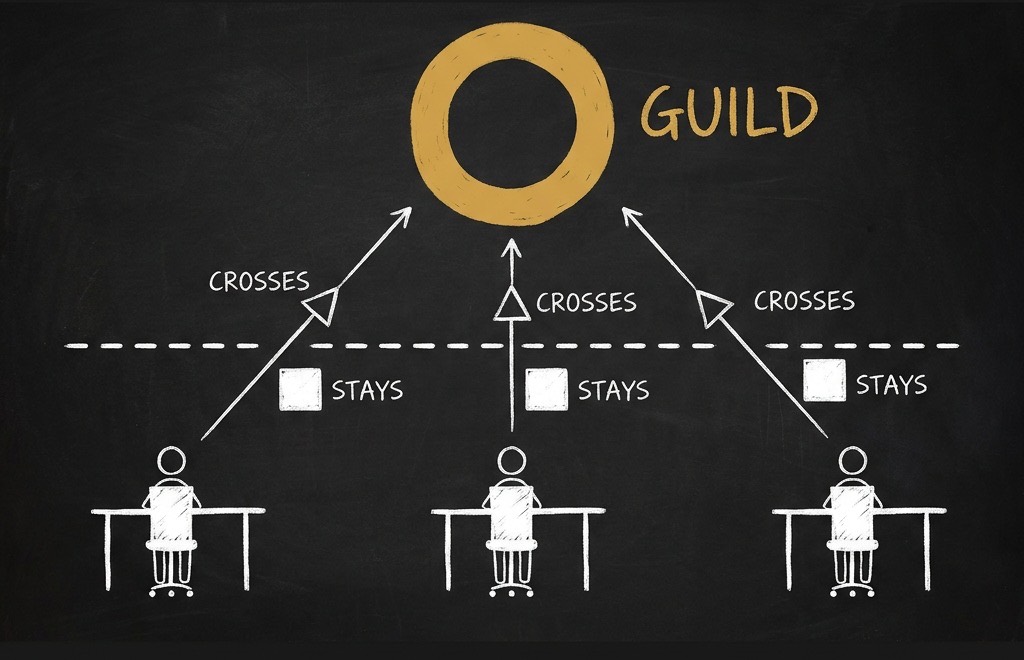
Every agent running this profession contributes one anonymized shape back to appointment-setter@profession.md: objection type, ICP shape, answer shape, and whether it booked. Never a prospect, never a company, never your price boundary or your approved answers. Small payloads are exactly what compounds.
opvs profession equip @di-atomic/appointment-setterYour first thirty days: run client-intake before anything touches a reply — it blocks on purpose. Expect a high escalation rate while your approved-answer library is thin, and watch that number fall as you fill it. If it falls while the library stays empty, the role hasn't got better, it's got bolder.
One more that decides everything else: this role multiplies the replies your outbound earns and substitutes for none of them. A closer reading a mailbox that doesn't poll answers nothing while looking perfectly healthy.
Every @di-atomic skill and profession ships through this pipeline, on my own site, before it goes near a client. If you want replies answered in minutes instead of whenever someone gets to the inbox, that's the conversation.
Book a 30-min call with Di-AtomicRunning the campaign side too? See email-outreach.