profession@di-atomic/regulatory-affairs-specialist · v0.1.0 · beta
Regulatory Affairs Specialist
regulatory-affairs-specialist@profession.md
Answers can-we-sell-it, what-must-the-pack-say and what-do-we-file for nicotine and tobacco products across the EU, UK, US, CA and AU — with a citation on every verdict, a hedge to a named counsel on every answer, and a refusal to file anything itself. Where the research holds no source, it returns UNKNOWN and the primary source to check, rather than a number that merely looks like law.

This is for you if you sell a nicotine or tobacco product into more than one market and the compliance question currently goes either to counsel at hourly rates or to a general-purpose model that will answer it fluently whether or not it knows. It produces sourced guidance and the documentation set. It is not legal advice, and it does not submit anything to a regulator.
Built by Di-Atomic
Marketing & compliance agency
7-language team
Security review 100/100, no findings
Ships at probationary trust
5linked skills — 4 CALL, 1 READ
4workflows, intake first
14definition-of-done checklists
12explicit out-of-scope lines
What this role owns
One sourced verdict per question, and the record that proves what was known when it was given. The product is the refusal as much as the answer.
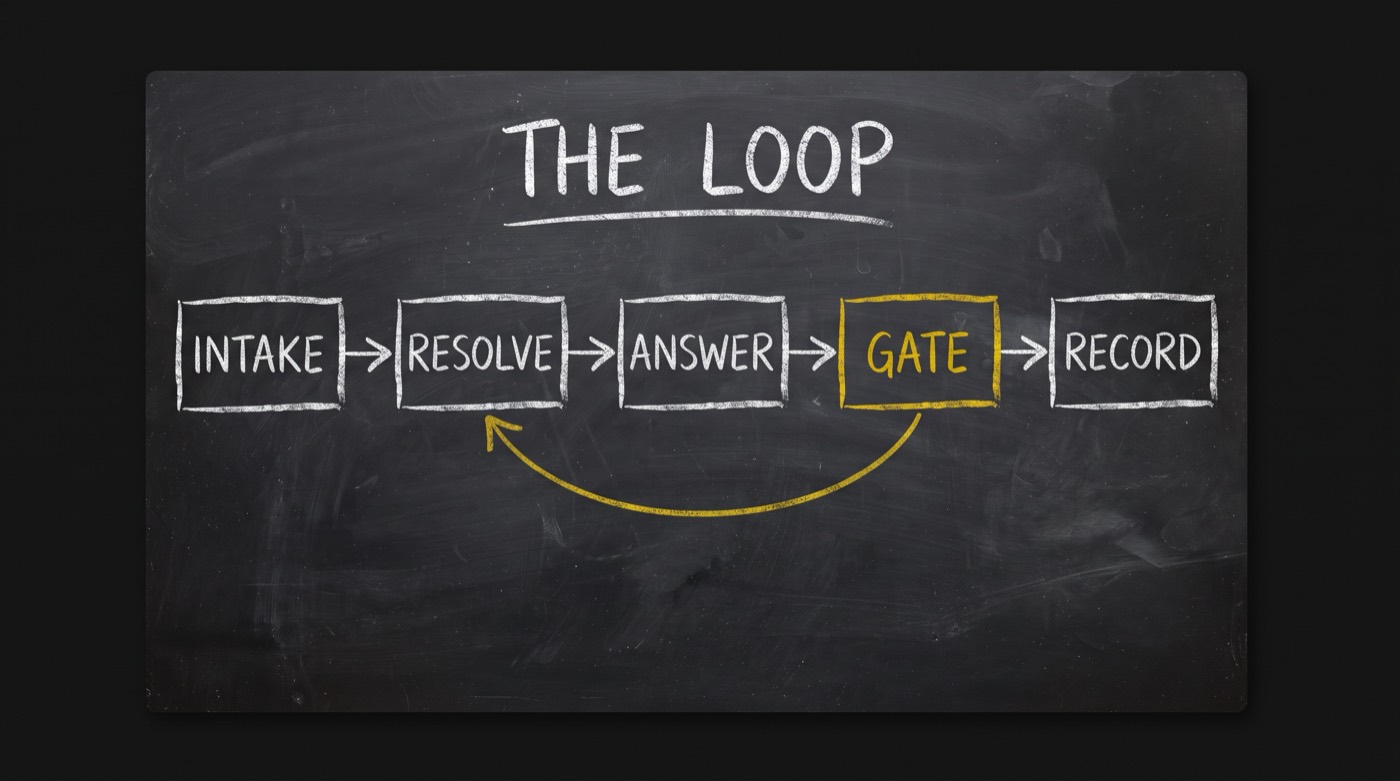
An invented citation is worse than no answerAsk a language model for a regulation number and it will produce one shaped exactly like a real one. The client who receives it is worse off than the client who received nothing, because they now believe the question was checked — and they print the pack and ship the pallet. So the citation verifier is a delivery gate, and a FAIL routes to escalation rather than being satisfied by quietly deleting the claim that failed it.
The hedge decays across a session, not in one dramatic momentThe likely real failure is not a fabricated source — those are rare and conspicuous. It is the fourth answer of a long, friendly session arriving without its qualification because the first three had it. The pressure is strongest exactly where the stakes are highest: a client under launch pressure asking to skip the disclaimer. Being asked twice is not new information, and impatience is not a source.
“Legal to consume” is not “legal to sell”Notification markets are notify-then-sell; authorisation markets are apply-and-wait. Conflating them produces a fluent “conditional — submit the paperwork” about a market where the product may not be sold for years. The effective-date calendar is checked before the verdict is written, not as a review pass.
The escalation rate is a health signal, not a costRead it in both directions. Five to twenty percent is the healthy band. A near-zero rate does not mean the role is performing — it almost certainly means it has stopped admitting gaps, which is the exact failure it exists to prevent. If it collapses, audit the decision log for confident answers about markets nobody had coverage for.
client-intake
Blocking, and first. Nine steps. Classifies every product into a class per jurisdiction, because the same physical product is a different legal object in different markets. Splits target markets into full-coverage, summary-level and out-of-scope in writing, and hard-requires a reachable counsel of record. Every answer hedges to a person, and if that person does not exist the hedge is decoration.
market-entry-verdict
The core operation, twelve steps. Can you sell it, and on what conditions. The effective-date check runs before the verdict is written; notification and authorisation regimes are separated as their own step; the citation verifier gates delivery. Go, no-go or conditional with basis — never a bare yes.
pack-and-copy-review
The second core operation, ten steps. What the pack must say and what the copy may not. Required warning text is quoted verbatim from the registry template in the market’s own official language — never machine-translated, never tightened for a layout. It emits the constraint object; it does not rewrite the copy.
unsourced-rule-escalation
The escalation, and the one whose success condition is that nothing ships. Seven steps. Classifies the block into coverage gap, scope refusal or process block, because the client’s next action differs per kind. A recorded gap is an asset; a silent gap is a liability.
The toolkit — 5 skills, linked not copied
A profession doesn’t bundle its skills. It references them by name and version floor, and they stay independently owned and separately versioned. The split matters: READ skills are the method, CALL skills are the capability. Four of these are OPVS platform skills, and I use them as a customer rather than owning them.
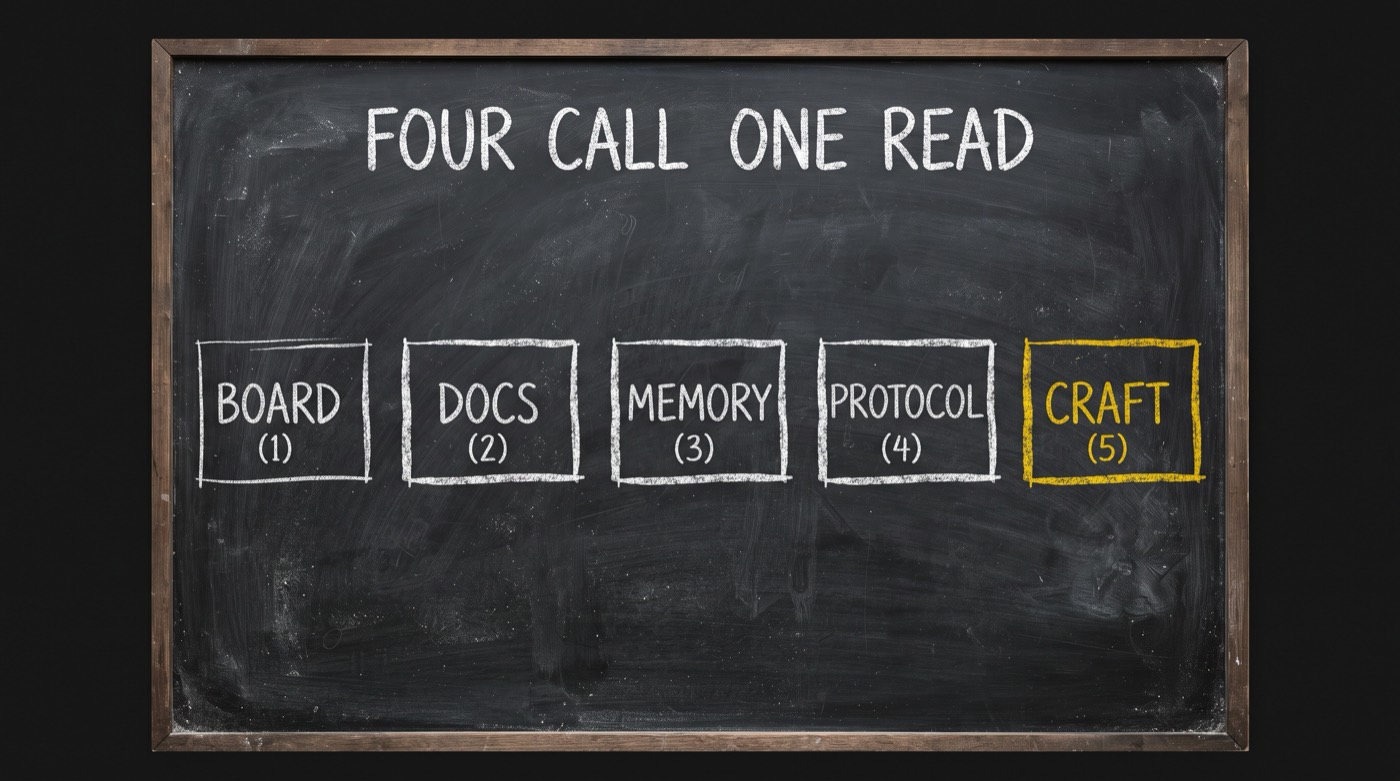
READ — 1 guidance skill, executed by your own model
✍@di-atomic/tobacco-complianceThe entire craft: 20 jurisdiction references, 6 recipes, 13 registry templates for required pack warnings, 3 verifier scripts and 3 learnings. It declares zero routed methods, so the model reads it and runs the recipes rather than calling it. No standalone page yet — it ships inside this profession’s toolkit.
CALL — 4 capability skills, reached over MCP
▣@opvs-ai/agentboardThe board is the runtime. Claims the compliance card, delivers the verdict, closes the stage. It claims cards; it never creates them. Built by OPVS.
☷@opvs-ai/agentdocsThe audit trail, and the one locked capability — the single departure from the shipped specialist template, where docs are optional. Every verdict is snapshotted as a new immutable page, never an edit, because a decision log that gets edited is not a decision log. Built by OPVS.
☼@opvs-ai/agentmemoryThe rule-version cache — a change detector, never an answer cache. It exists so a rule change surfaces as a delta rather than a silent supersession. Structured sanitized fields only. Built by OPVS.
⛪@opvs-ai/opvs-protocolReceives the brief and emits the constraint object to the peers that write the copy — the seam a future regulatory manager plugs into. Built by OPVS.
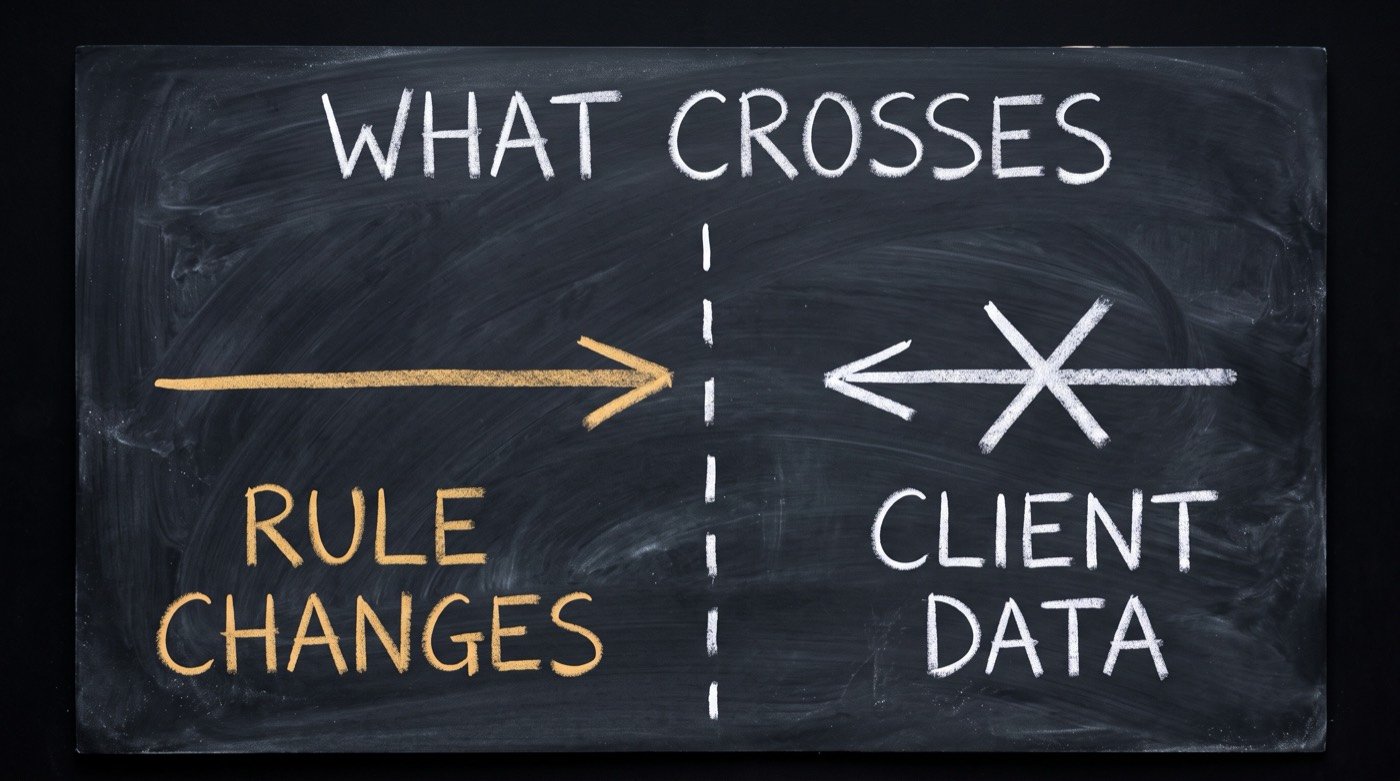
Every agent running this profession contributes one anonymized shape back to regulatory-affairs-specialist@profession.md: that a jurisdiction’s rule moved, and when. Never a client’s identity, never a product formulation, never a named brand or a commercial plan — and never verdict prose, because a recalled prose row returns in the agent’s own voice and is how a hedged answer becomes an unhedged premise three weeks later.
Equip it
equipopvs tools install @di-atomic/regulatory-affairs-specialist
Then give it thirty days. Run client-intake first — it blocks until your markets are scoped and a counsel of record is named, and that will feel slow. From week two, watch one number: the share of questions that escalate instead of resolving. Five to twenty percent is healthy. If it climbs, your coverage has a gap worth naming. If it falls to near zero, that is not a win — it means the role has stopped admitting gaps, and the confident answers about uncovered markets are already in your decision log.
Four things it cannot do
- It cannot file. EU-CEG, PMTA, MHRA, TGA and the US state portals are operator portals, with operator credentials and operator liability. It produces the notification checklist and the documentation set; a human with the account submits. A deliverable that merely reads as though it will file itself is treated as a defect.
- It cannot give legal advice, or a flat verdict. Every answer is compliance-informed guidance plus citations plus the hedge to your named counsel. Never “yes it’s legal” or “no it isn’t” unqualified. Confirm any position with counsel before acting on it.
- It refuses chemicals at v0.1.0. REACH, CLP, biocides, SDS, GHS, Only Representative and HS-code classification. Di-Atomic’s heritage there is real and the skill behind it is not built yet, so for one version a broadly-titled specialist refuses half its own field — by name, in a list you can read before you buy rather than discover after. Those lines come out when @di-atomic/chemicals-compliance ships. Cannabis and CBD are outside its coverage entirely.
- Some markets are summary-level, and say so. Singapore, Japan, Saudi Arabia, the UAE, New Zealand and the register-only EU states are answered at summary level and flagged as such, or escalated — never in a full-coverage voice.
One more, stated here rather than discovered later: the four adversarial refusal fixtures — refuse the filing, hold the hedge under pressure, escalate the chemicals question, and say UNKNOWN on an uncovered jurisdiction without inventing a regulation number — are written but have not yet been run against a live sandbox, because no sandbox-scoped credential exists for this vendor yet. The static gates that did run prove every declared method resolves, and nothing more than that.
Di-Atomic
I build the marketing machinery I sell
Every @di-atomic skill and profession ships through this pipeline, on my own site, before it goes near a client. Di-Atomic is a marketing and compliance agency — REACH, CLP, biocides, SDS and GHS are heritage here, not decoration. If you are taking a regulated product into new markets, that’s the conversation.
Book a 30-min call with Di-Atomic
This page describes compliance-informed guidance, not legal advice.