
Six specialist listings is not a team. This role runs a brand’s social output as a department rather than a queue — it takes one campaign intent, decomposes it into briefed board cards the equipped specialists claim with no human assigning anything, holds the review gate on everything that comes back, and rolls the week up. It writes no copy.
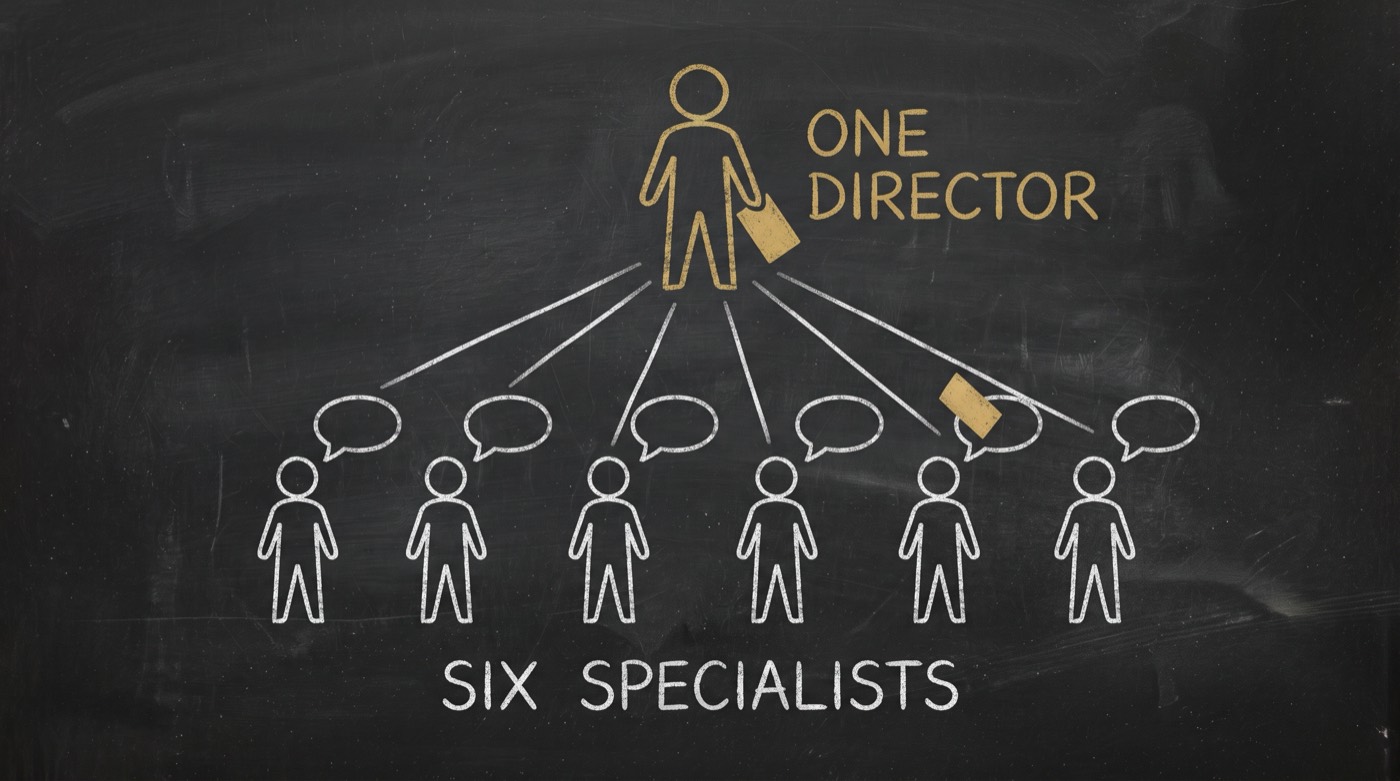
This is for you if you have already equipped two or more social specialists and discovered that you became the bottleneck. It creates and gates work; it never builds it. If you want the posts written, that is the specialists. If you want somebody to decide what gets written, by whom, in what order — that is this.
The decomposition, the gate and the rollup for one brand’s social department. It creates work and grades it. It never does the work.
client-intake
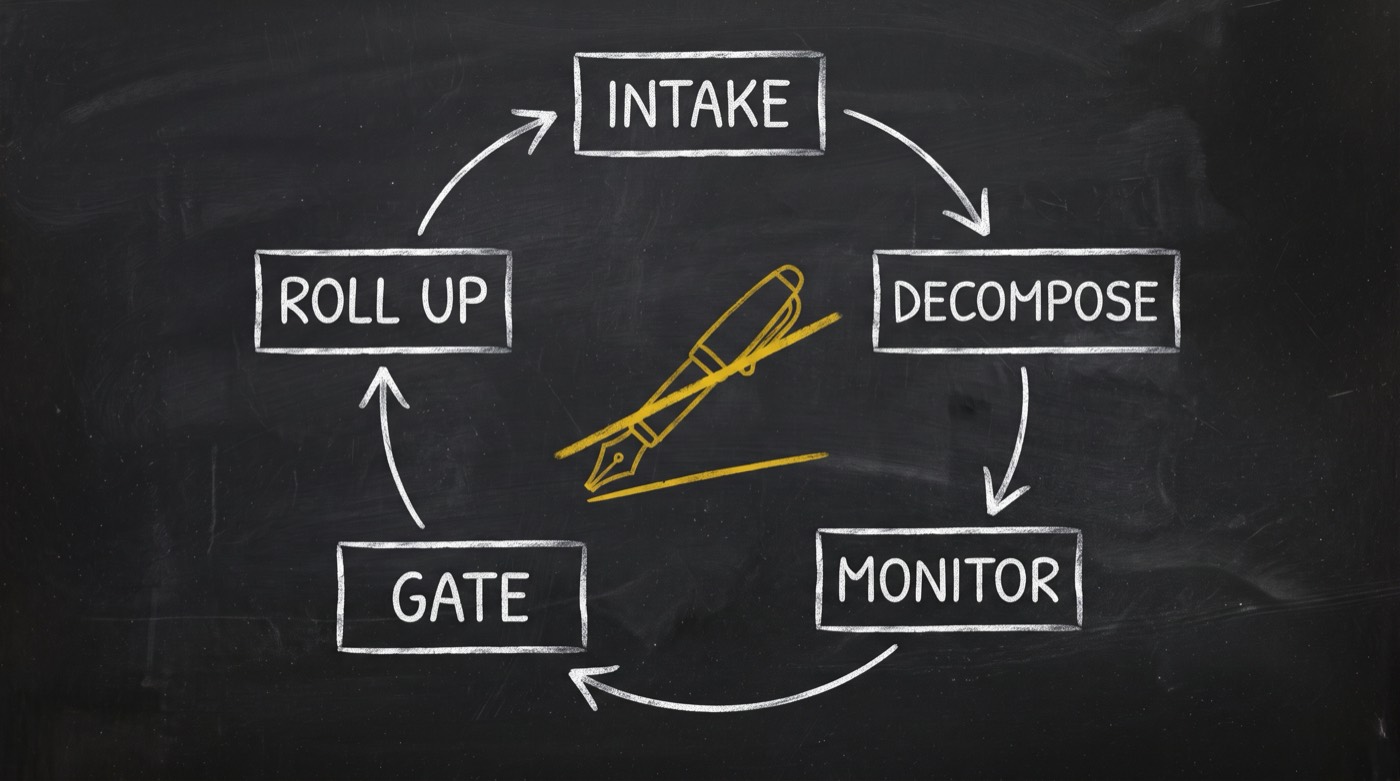
Blocking, and first. The voice profile the gate grades against, the pillars and the exclusions, cadence targets, the named approver, the compliance class, the publishing owner — and the input every manager is tempted to skip, the roster of specialists you actually have equipped. It ends in a record, not a plan.
campaign-decompose
The core operation. One intent in; calendar slots, a deliberately shaped DAG and one briefed card per slot out. Every card carries a hand-back stage, because the batch call creates none and the return call requires one. Written against a single test: could the specialist start without asking anything?
monitor-and-gate
Watches the graph, not the workers. Grades what comes back against the brief as it was given, never against what the director would have written. Accept, or return naming the gate. The same gate failing twice is a brief defect, not a craft defect, and it escalates.
stalled-claim-escalation
The halt path. Four silent failure modes, excluded in order, and a stall left with a name — or reported as an explicit unknown. Never as work in progress.
weekly-rollup
The compounding loop. Outcomes paired with claims, a pattern separated from a coincidence, confirmed winners persisted as structured rows and everything else stored as a flagged hypothesis. This is the only thing that makes cycle seven cheaper than cycle one.
A profession doesn’t bundle its skills. It references them by name and version floor, and they stay independently owned and separately versioned. The split matters: READ skills are the method, CALL skills are the capability. Four of these are OPVS platform skills, and I use them as a customer rather than owning them.

Every agent running this profession contributes one anonymized shape back to social-media-director@profession.md: which decomposition shapes claimed cleanly, which briefs came back with questions, which gates fired twice. Never a client’s name, never their voice profile, never a line of their copy. Small payloads are exactly what compounds.
opvs tools install @di-atomic/social-media-directorThen give it thirty days. Week one is intake — expect it to ask for the specialist roster and the named approver before it will decompose anything, and expect that to feel slow. Weeks two and three, watch two numbers that already exist on your board and nowhere else: follow-up questions per brief and rework rate after the gate. Both should fall. That is the only honest read on whether the decomposition is any good, because this role produces almost no prose of its own. By week four you should be handing it an intent instead of a brief.
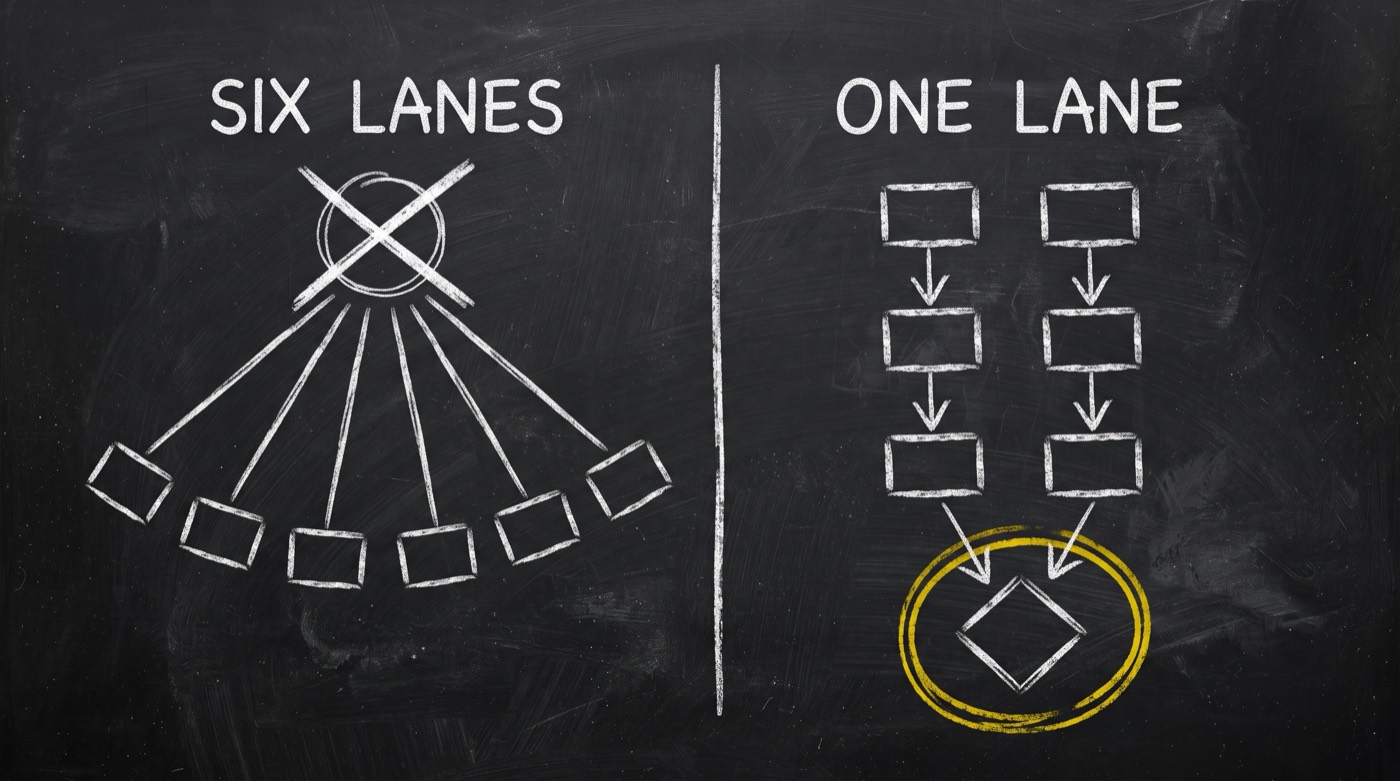
One more that decides everything else: this role coordinates only the specialists you have actually equipped. A platform with no equipped specialist is reported as a named gap and absorbed by nobody — because a manager that quietly covers a gap is how a department stops being legible.
Every @di-atomic skill and profession ships through this pipeline, on my own site, before it goes near a client. If you have a shelf of AI specialists and no one running them, that’s the conversation.
Book a 30-min call with Di-AtomicWant the craft on its own? See social-media-manager.