
Why your webinar gets great feedback and nobody buys
You ran the webinar. The chat was warm. People said it was the most useful hour they'd spent all month. Two of them called it a masterclass.
Nobody bought.
That combination is not a mystery and it is not bad luck. It is a specific, diagnosable failure in a specific part of your presentation, and the reason it keeps happening is that almost nobody treats a webinar as a thing with parts.
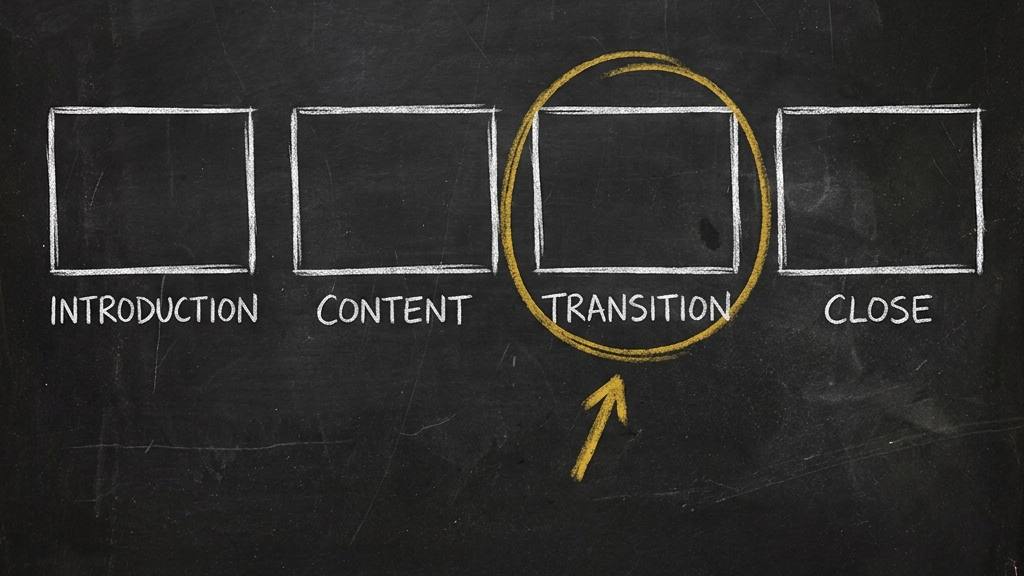
A selling presentation does four jobs, in order
Earn attention. Teach something real. Connect the teaching to an offer. Close.
Most teams get two of the four right. The trouble is they cannot tell you which two. So when the numbers come back flat, they rewrite the whole thing — including the parts that were working — and next month they are back with no more information than they started with.
Here's why that matters: each failure has a different signature.
What you saw | Where it actually broke |
|---|---|
People leave in the first ten minutes | Introduction |
Great feedback, no sales | Content |
A clean drop exactly at the pitch | Transition |
Engaged all the way through, nobody buys | Close |
Once you can read that table, "our webinar isn't converting" stops being a vague complaint and becomes one section to fix and three to leave alone.
The one that catches good people
Great feedback with no sales is the most common, and it is the cruellest, because it selects for competence.
It happens when you teach the tactics instead of the strategy — the how instead of the what. You explain the mechanism so clearly that a chunk of the room now believes they can go do it themselves. You have just given away the thing they were going to pay you for, and they thank you warmly on the way out.
The better a teacher you are, the more you will do this. That is why it needs a check that counts tactic blocks in your draft rather than a note in a document asking you to be careful. Being careful does not survive contact with an audience that is enjoying itself.
The section nobody plans
The transition is the shortest part of a presentation. It is the part most drafts silently omit. And it is the one whose real beneficiary is you, not the audience.
If people drop out of your webinar at the exact moment you start selling, you almost certainly do not have a weak offer. You have no bridge. The switch from teacher to seller happened in one sentence, the room felt it, and a chunk of them left rather than sit through what came next.
A draft with fewer than three transition beats fails on that alone, because a missing bridge is the single most common structural defect I found.
Two experts, and they disagree
I built this from two practitioner books on one-to-many selling. I expected one body of material. What I found was two frameworks that genuinely disagree about what a selling presentation is for.
One treats it as teaching that earns a sale. The other treats it as belief engineering — the job is not to inform, it is to dismantle what the audience already believes is impossible for them.
But there's a catch: blending them does not give you the best of both. It gives you a draft with two spines pulling in opposite directions, teaching a sceptic who does not need the how, or breaking beliefs someone already holds.
So the skill routes instead of blending. The first question is not "which framework" — it is what is actually stopping this buyer?
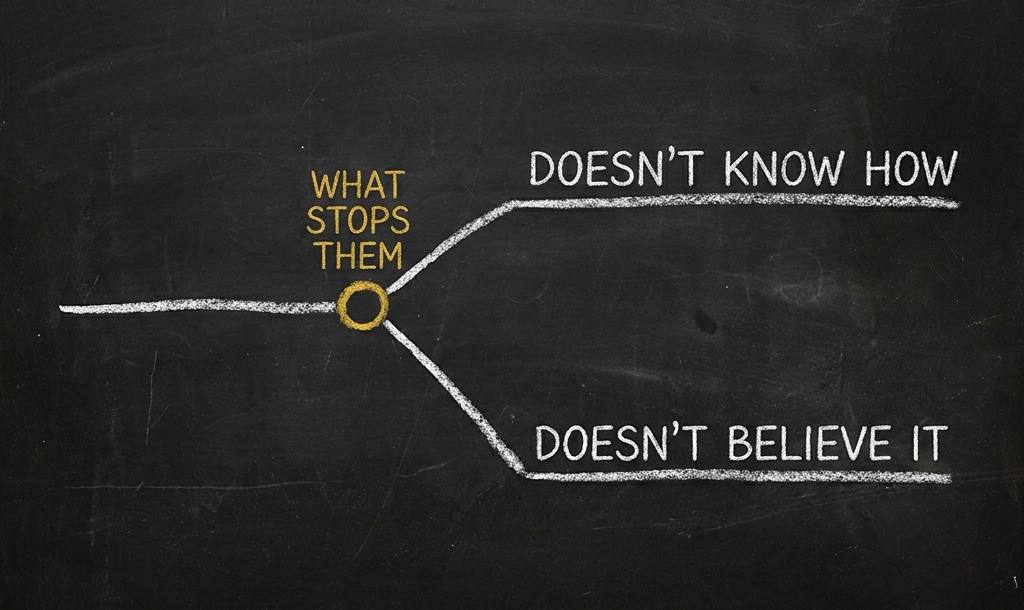
They do not know how — the result is plausible, the path is not. That routes to a teach-first build.
They do not believe it is possible for them. That routes to a belief-first build.
Ask the wrong question and you waste the room in a different direction. Where the two frameworks converge — and they converge on exactly two points — you have the only claims in the whole corpus with more than one independent witness, so those two are the ones enforced by scripts.
The second is worth stating plainly, because most drafts get it backwards: the last thing shown before the price must be the complete offer, not the final bonus. Whatever is on screen when you say the number is what the audience prices against.
Why you can argue with any of this
Here is the part I care about most, and it is the reason this is not just another outline generator.
Every claim in the skill carries the page it came from and an evidence class. Not "studies show." A book, a page span, and a label saying exactly how much weight it can hold.
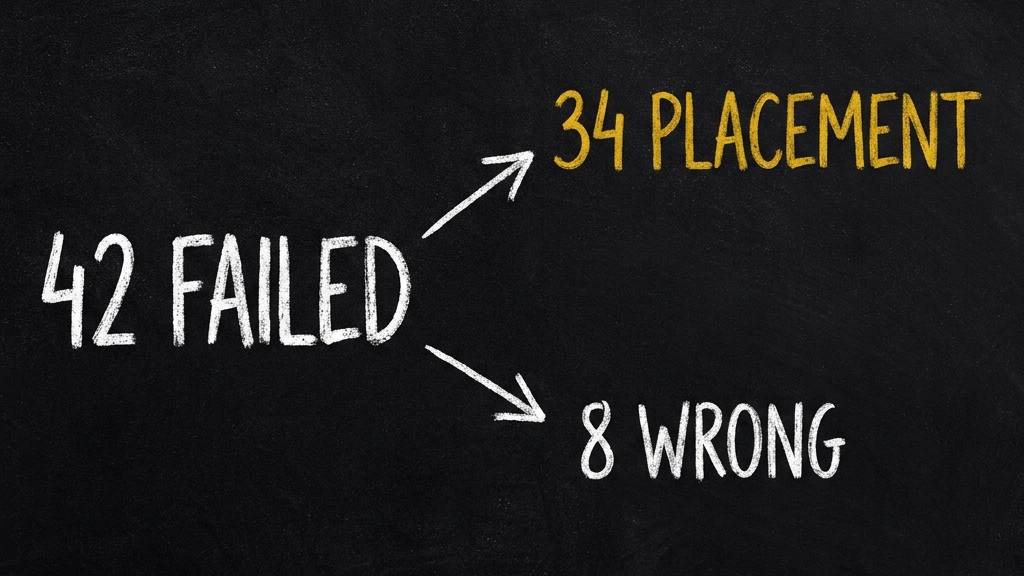
That mattered more than I expected. When I ran the checker across the research, it resolved each citation back to its pages and tested whether the claim's distinctive language actually appeared there. It caught four errors I could not have caught by reading, including a claim I had attributed to the wrong chapter entirely. Real claim, wrong page, and the sentence read perfectly well with the wrong number on it.
It also means the numbers behave honestly. The figures in those books are one operator's results from before 2019, with no control group. A 25% show rate. A 10% close rate. They are interesting and they are not benchmarks, so they ship labelled practitioner-claim · unverified · single-source and they never get quoted as if they were measured. Ratios and orderings port between businesses. Rates do not.
The rule the source breaks and this one keeps
The corpus teaches countdown timers, seat caps and earnings screenshots with no regulatory framing at all — in a decade where the FTC has named fake countdown timers a dark pattern.
It also says, once, plainly: do not use scarcity if it is not true. Then it never checks.
This does. Every deadline needs a real close time. Every seat cap needs a real number and its source. Every results screenshot needs a named subject and a typicality line. Not a taste gate — it never fires on a claim you can back.
Where it stops
It decides and composes. It will not host your event, fill your room, set your price, or build your funnel pages — and it refuses to start on an undefined offer or an undefined audience, because two of the three named causes of webinar failure sit outside it entirely and no amount of correct execution fixes a bad market.
@di-atomic/webinars is free on the OPVS marketplace. Install it, then tell your agent "our webinar isn't converting" and see which section it names.