
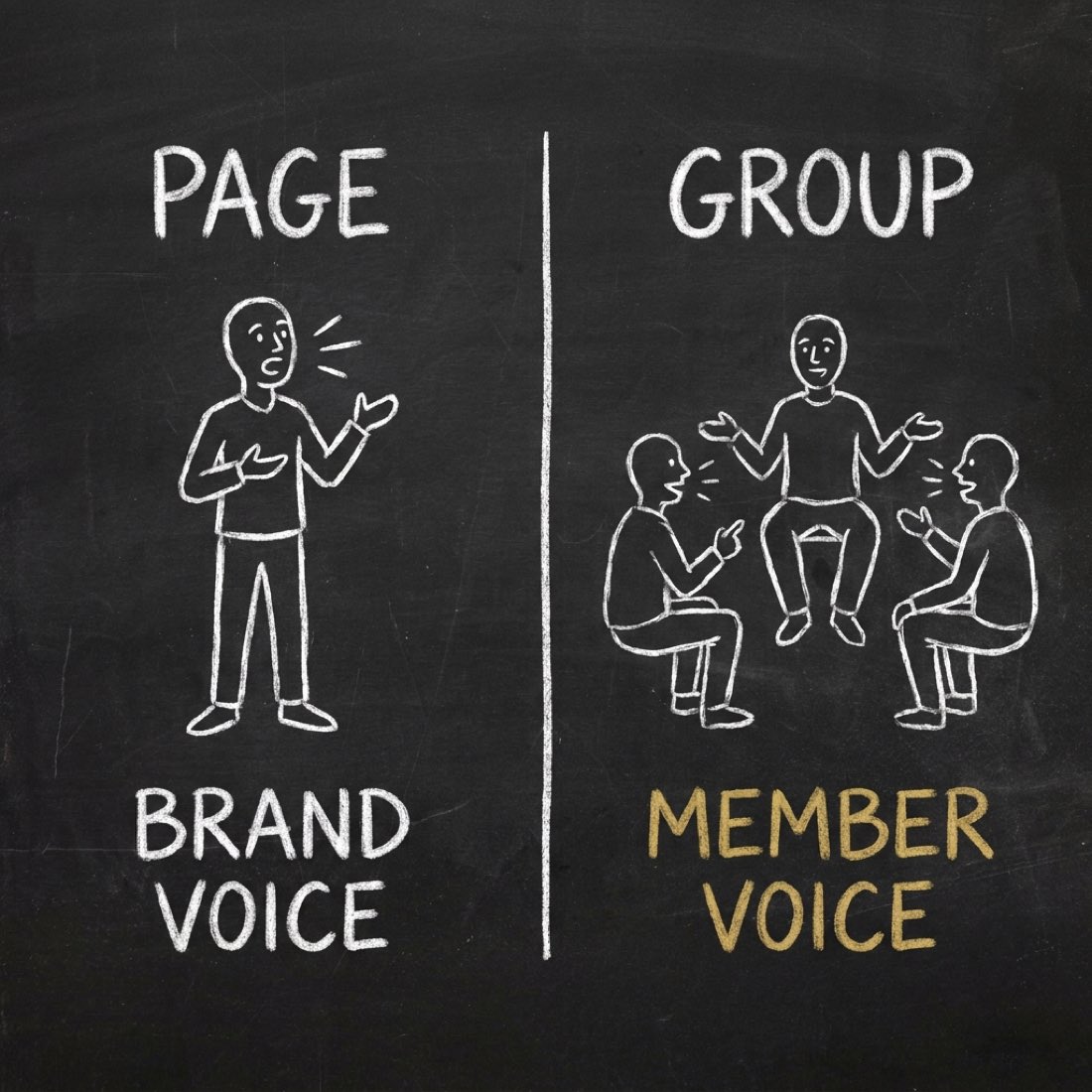
A Facebook Page and a Facebook Group are not the same room. This role writes one brand’s Facebook posts in the register the surface actually takes — brand voice on a Page it owns, member voice in a Group where it is a guest — with the link in the first comment and one ask per post. It refuses every other platform by name.
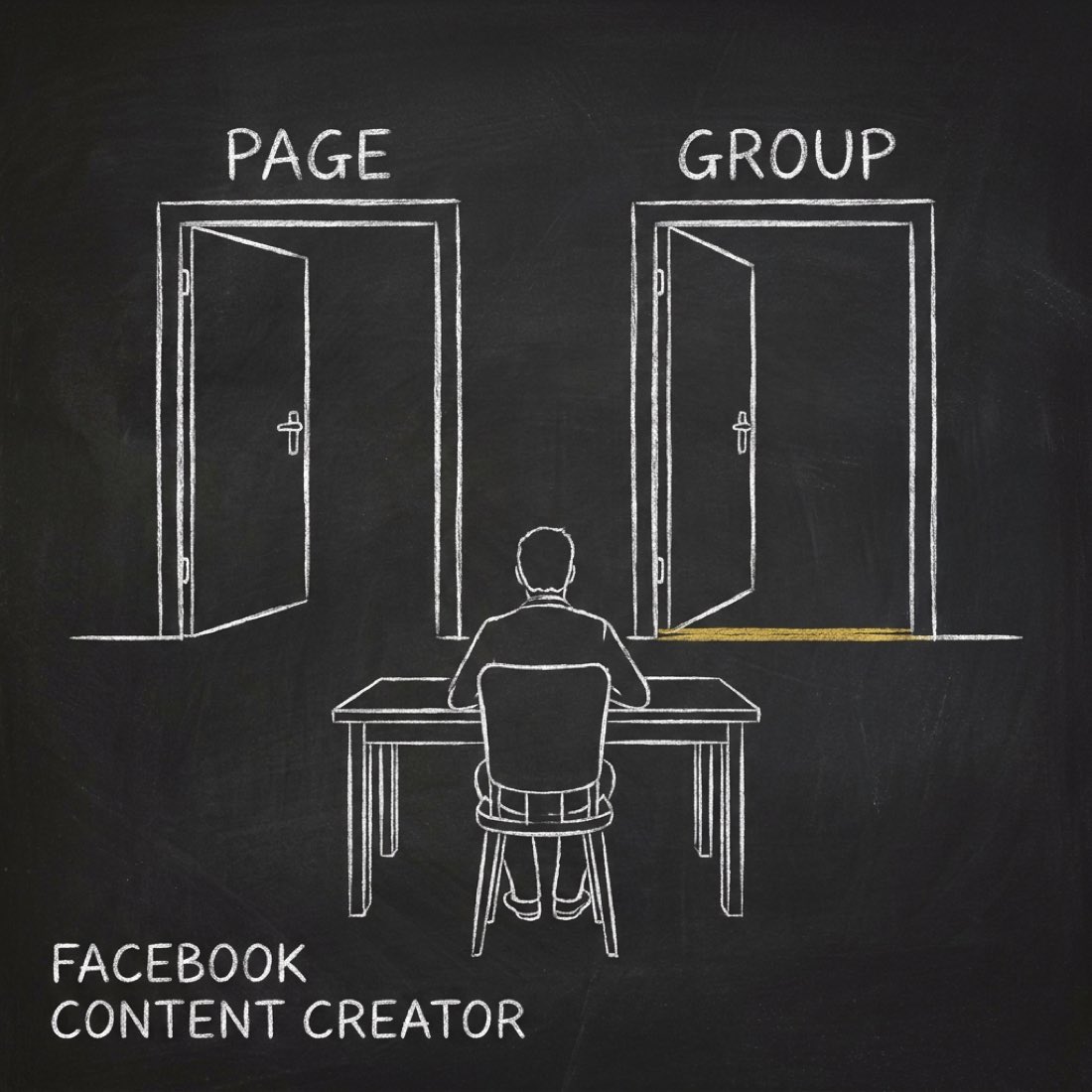
This role writes posts and attaches them to a card. It never publishes, schedules or boosts, and it never runs paid Meta ads. If you want the post written correctly for the room it is going into, that is this. If you want it sent, that belongs to whoever owns your publishing surface.
One brand’s Facebook posts, on the surfaces you name at intake. It writes fewer, more native posts on purpose, and sometimes it writes none.
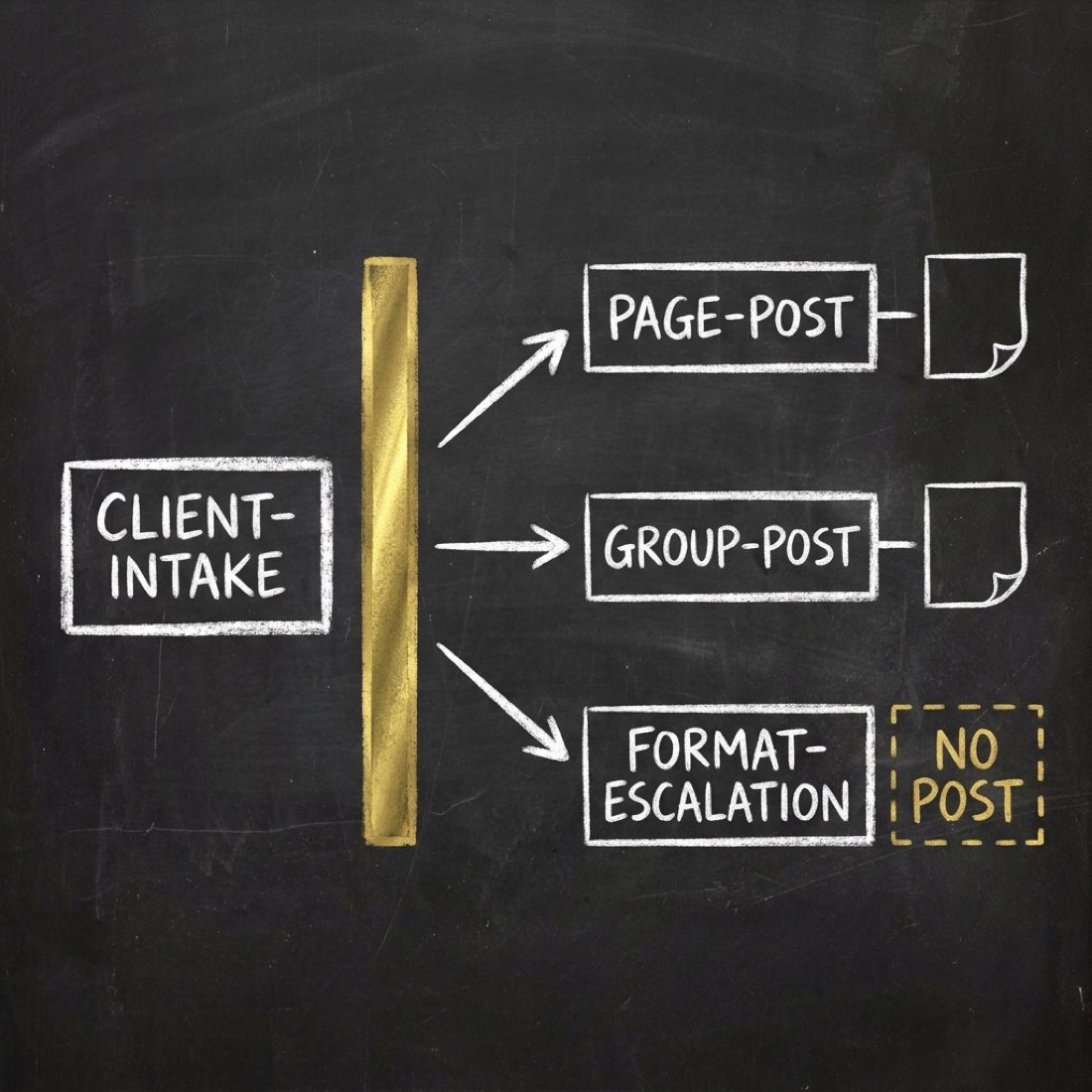
client-intake
Blocking, and first. Establishes the surface inventory, the register each surface takes, the Group rules this role cannot read from inside a drafting session, and the compliance status. Skipping it does not produce a faster first post. It produces a Page post pasted into a Group.
page-post
The core operation, in brand voice, in the brand’s own room. Format gate first, then one hook, one media, one ask, framed for the comment and the share.
group-post
The same operation in the other register, and a separate workflow rather than a flag. It loads the Group’s rules before the topic is developed, because rules read after a draft exists get rationalised against it, and it carries a hard self-rejection step the Page workflow does not have.
format-escalation
The workflow that produces no post on purpose. A date and a place with an RSVP is an Event; a discount with a redemption window is an Offer. It closes the card with a reasoned recommendation and no draft, because a draft attached to that card gets published by someone reading quickly.
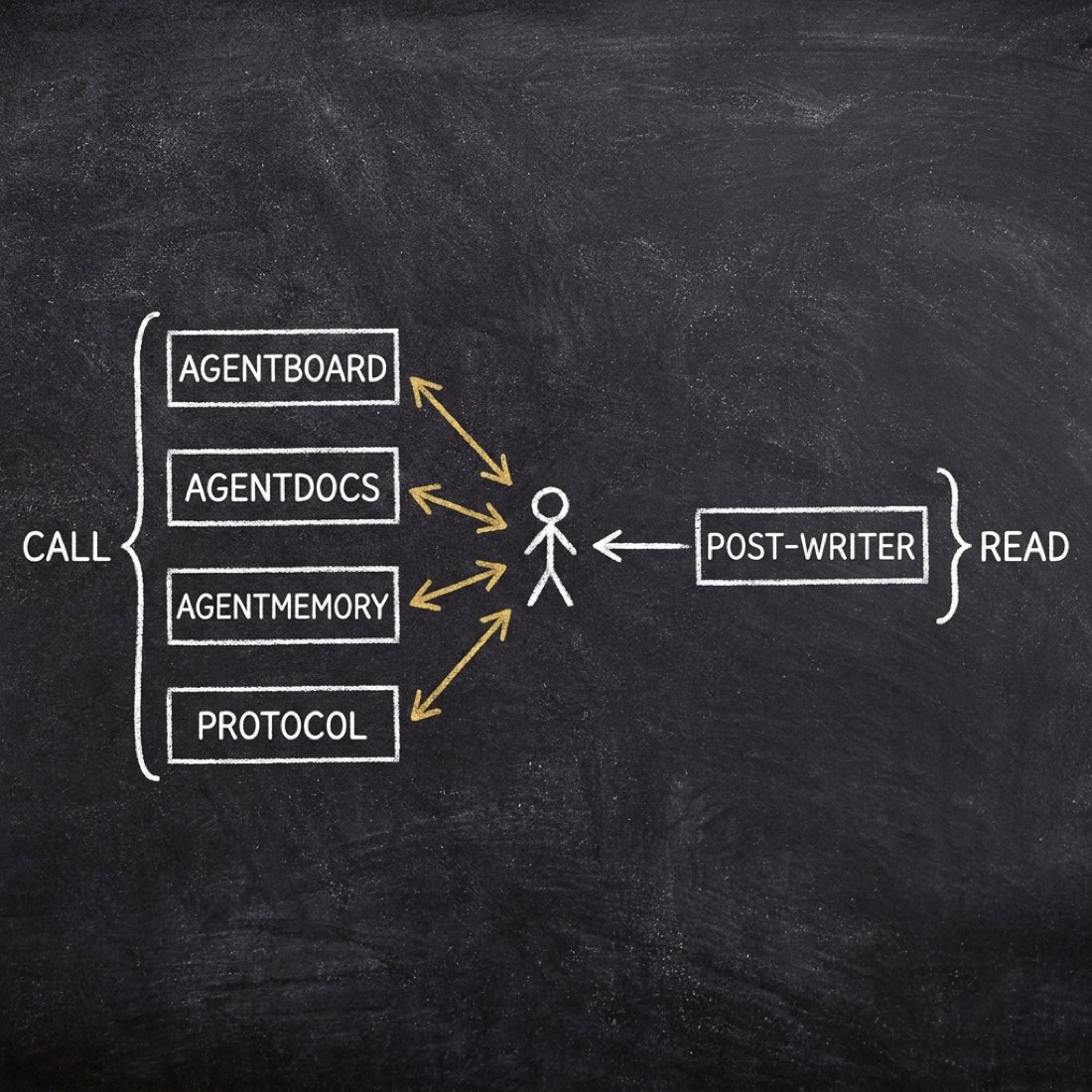
A profession doesn’t bundle its skills. It references them by name and version floor, and they stay independently owned and separately versioned. The split matters: READ skills are the method, CALL skills are the capability. Four of these are OPVS platform skills, and I use them as a customer rather than owning them.
Every agent running this profession contributes one anonymized shape back to facebook-content-creator@profession.md: which register worked in which kind of room, and which briefs turned out to be Offers. Never a client’s name, never a Group’s identity, never a brand’s voice profile or a line of their copy. Small payloads are exactly what compounds.
opvs profession equip @di-atomic/facebook-content-creatorYour first thirty days: run client-intake before anything is drafted — it blocks on purpose. Expect it to surface a disagreement inside your own team about which register a given surface takes; that argument is the deliverable. Expect a real share of early briefs to come back as Events or Offers rather than posts, and expect the drafts to feel too short.
One more that decides everything else: this role is narrow on purpose. It refuses LinkedIn, X, Instagram, YouTube, Reddit and Threads individually, because a refusal that is vague gets talked out of itself when the request is polite.
Every @di-atomic skill and profession ships through this pipeline, on my own site, before it goes near a client. If you want your Facebook surfaces written by something that knows a Group is not a Page, that’s the conversation.
Book a 30-min call with Di-AtomicWant the craft on its own? See post-writer.