
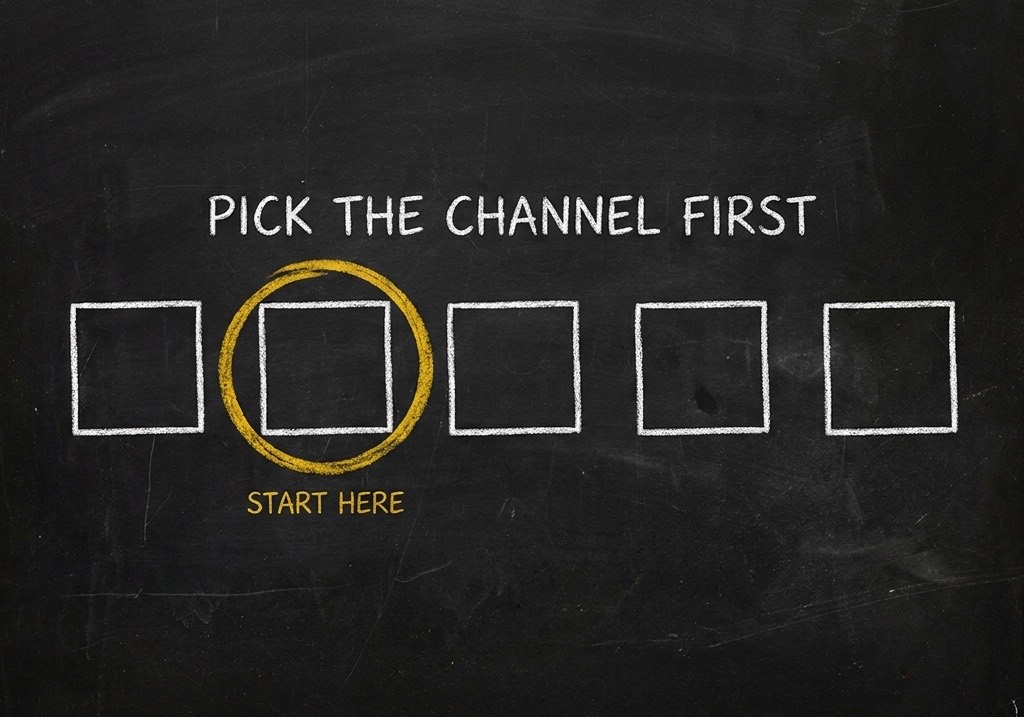
Stop posting everywhere. Pick the one channel that pays.
Most brands are on six platforms because someone once opened the accounts. Effort spreads thin, nothing gets traction, and the conclusion is “we have saturated our market” when the truth is one channel saturated at the current volume. This skill runs the whole social department, but v0.2.0 starts one step earlier: it decides which platforms you belong on at all, on three axes rather than taste.
For brands posting into four feeds with no idea which one is carrying the result, and for anyone who has been told to “do more on social” without being told where.
opvs-skills install @di-atomic/social-media-managerThen say: “which platforms should this brand be on”, “plan my week”, or “we have saturated our market”.
Same question, two very different answers
lists the platforms.

  LinkedIn ..... B2B
  Instagram .... visual brands
  TikTok ....... young audience
  YouTube ...... long form

all six sound reasonable.
you keep all six.
nothing changes.
A description of the landscape is not a decision. You already knew LinkedIn skews B2B. What you needed was permission to drop four of them, and a reason you could defend to whoever opened the accounts.
returns a verdict.

  primary ......... one channel
  buyer mode ...... searcher | scroller
  asset ........... compounds | decays
  native to maker . yes, because...
  sequence ........ #2 after <gate>
  not now ......... named, explicitly

one channel to hold.
a list you stopped.
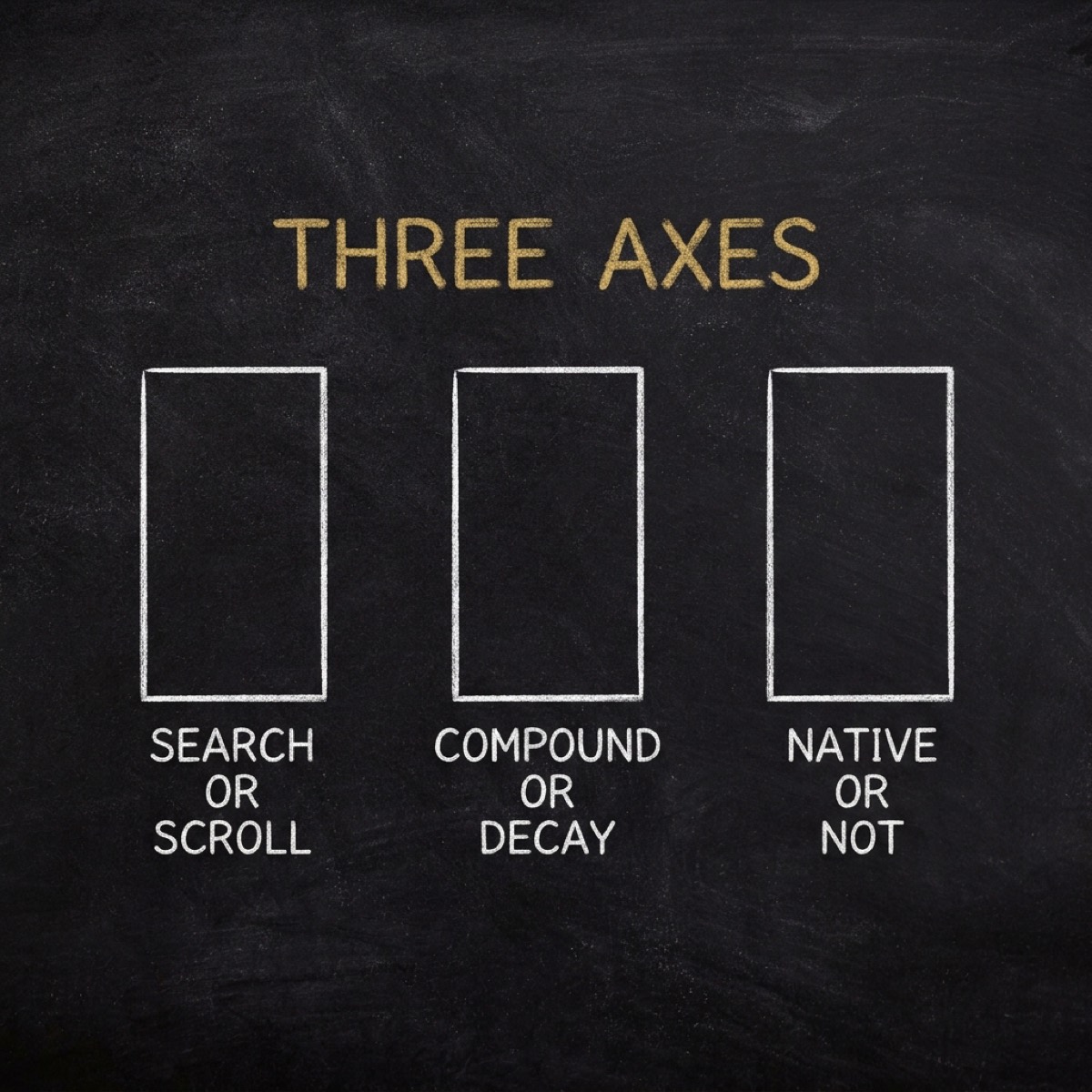
Three axes, then an explicit not-now list. The not-now list is the part that changes behaviour, because dropping a channel is a decision nobody makes without a written reason.
The gate for adding a second platform is not the calendar. It is whether the first one is demonstrably producing at a cadence the team is actually holding. Adding channels to escape a channel that is not working yet is the exact failure this prevents.
The three axes doing the work
Is your buyer searching, or scrolling?
Search congregations hand you people already trying to buy, and push you toward being the cheapest option. Interest congregations have no intent at all, so the hook and the offer carry everything. A few platforms are both, and those are usually the highest-value picks.
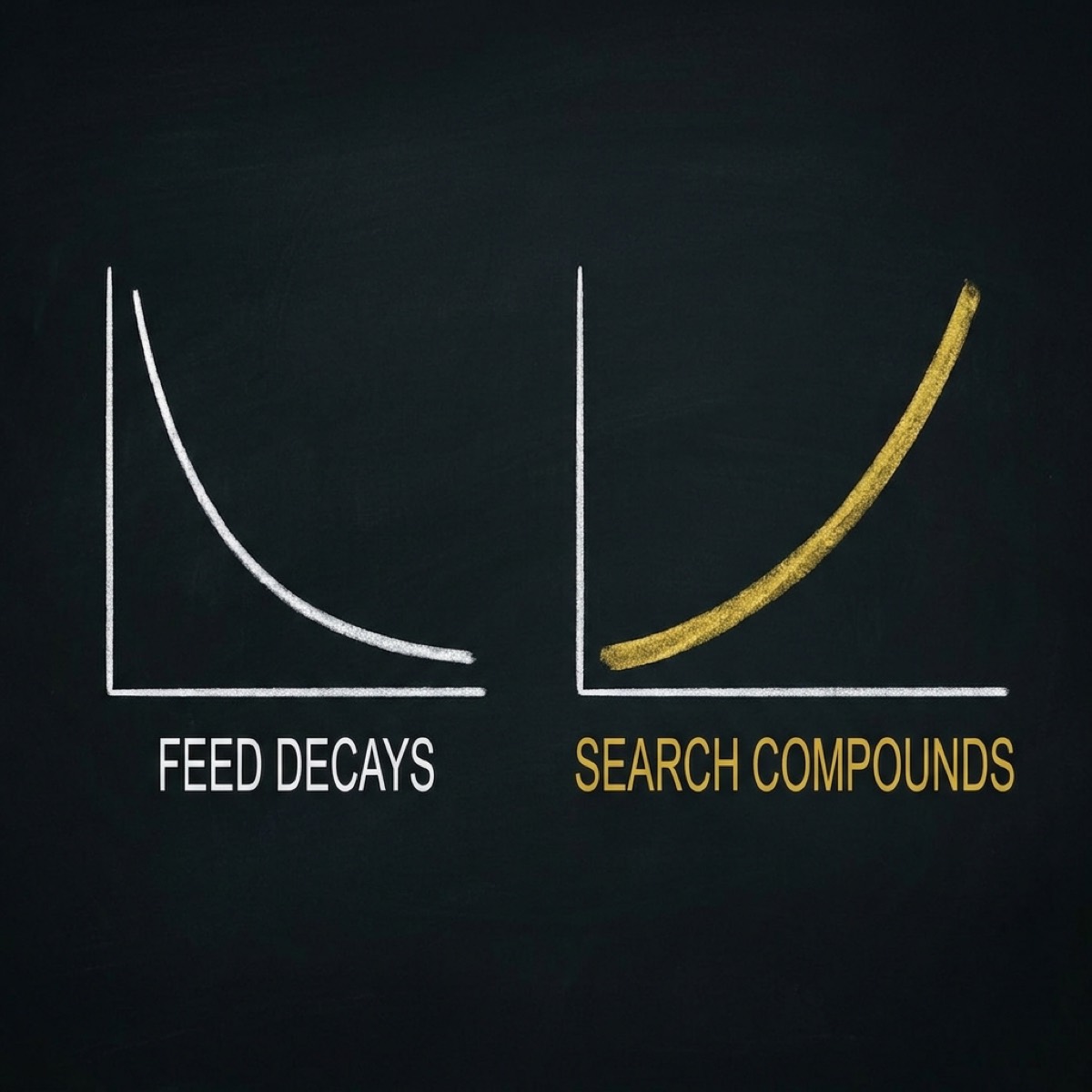
Does content there compound, or decay?
A feed post shows for days and is gone. A search-indexed asset keeps accumulating: two videos for a product that stopped selling years earlier still returned traffic in a single month. This is a resourcing decision, not a taste one. Most brands should own at least one compounding surface.
Is the format native to whoever makes it?
The tie-break is which platform that person already consumes. Both sides have to pass: the format native to the maker, and the congregation native to the platform. A rebranded podcast cross-promoted from every owned list still shrank, because podcast listeners and video watchers do not migrate.
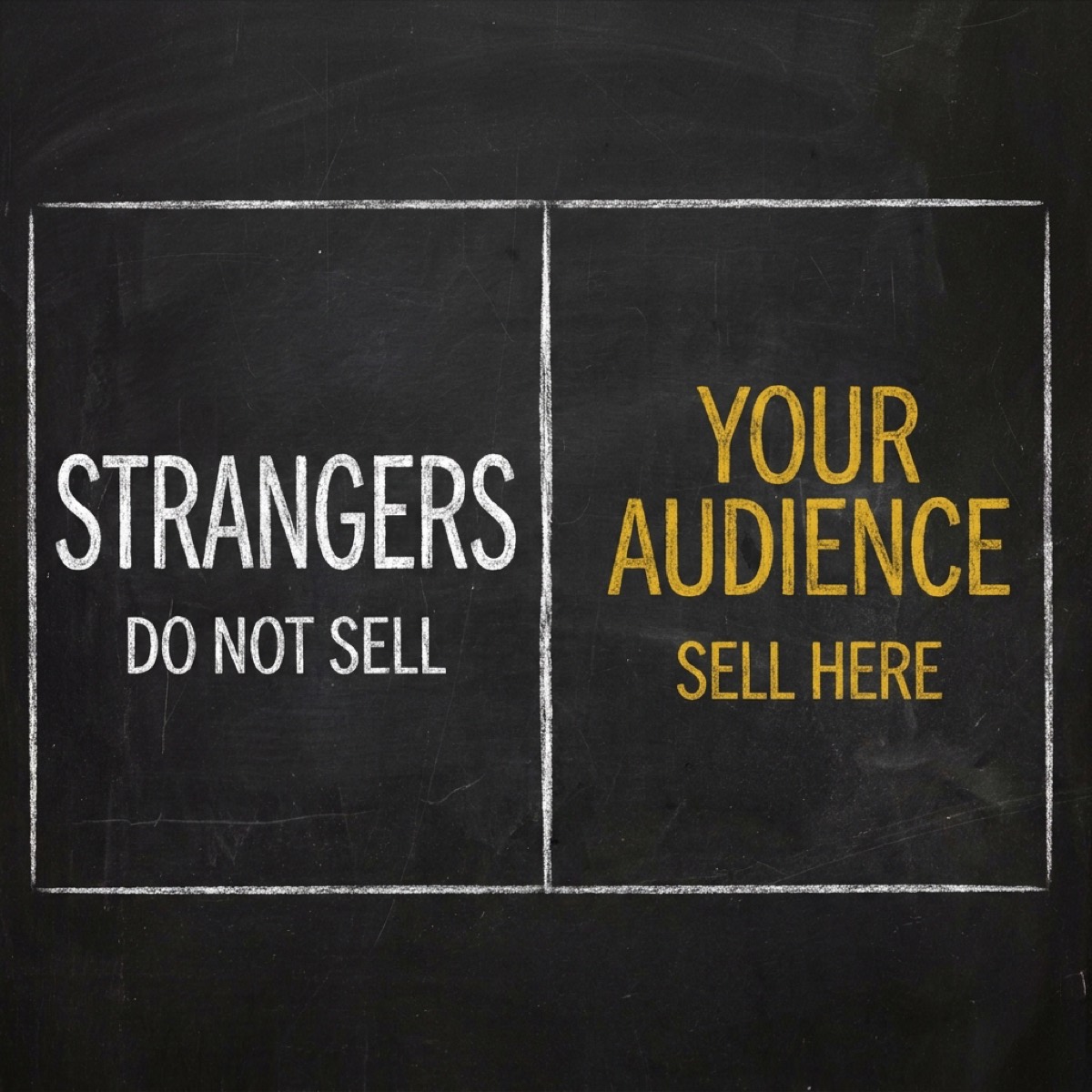
Two patterns the playbooks are built on
What a verdict actually returns
> "which platforms should this brand be on"

  BUYER MODE ...... searcher   (they type the problem)
  ASSET ........... compounding preferred
  NATIVE TO ....... founder writes, hates camera

  PRIMARY ......... one search-indexed written surface
  SEQUENCE ........ #2 only once #1 holds cadence
                    for a full quarter
  NOT NOW ......... short-video platforms
                    reason: no one here will make it,
                    and a decaying asset does not
                    survive an inconsistent maker

  → one channel to hold. four you stopped, on paper.
On depth versus width the two source books openly disagree, and the skill ships the disagreement plus a rule rather than picking a guru: width is defensible exactly where one asset is natively correct on every target surface, and depth holds wherever each platform demands a different native language.
And a method for the platforms I do not ship
It decides and composes. It will not run your accounts for you.
social-media-manager is one skill in the system behind Di-Atomic, the marketing and compliance agency that runs cognitoAI, SpiderIQ and OPVS. It picks the channel, plans the calendar and holds the review gate, but nothing reaches a real account without your yes. If you want the channel chosen, the calendar held and the posts actually made, in any of our seven languages, that is the day job.
Book a 30-min call with Di-AtomicJust want the skill? Get @di-atomic/social-media-manager free.