
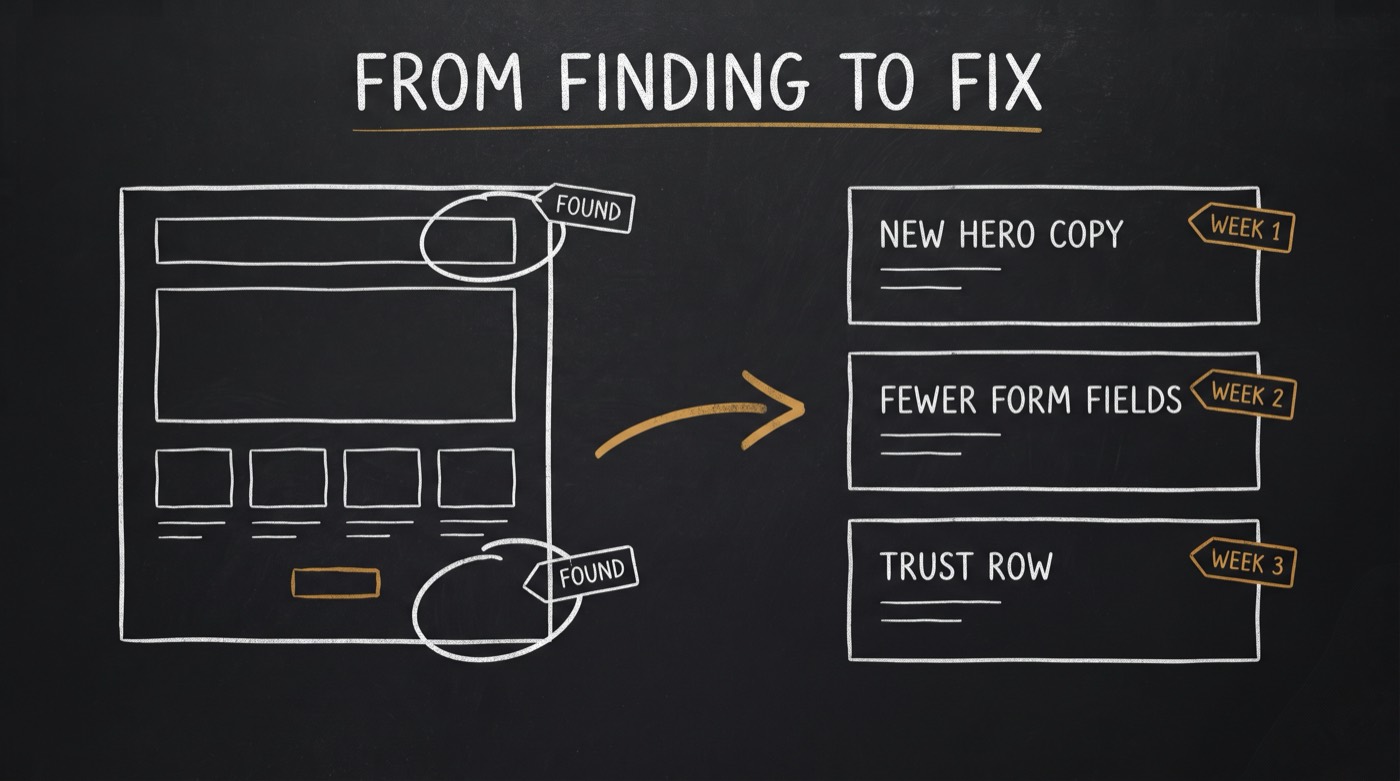
An audit tells you what is broken. It does not tell you what to do.
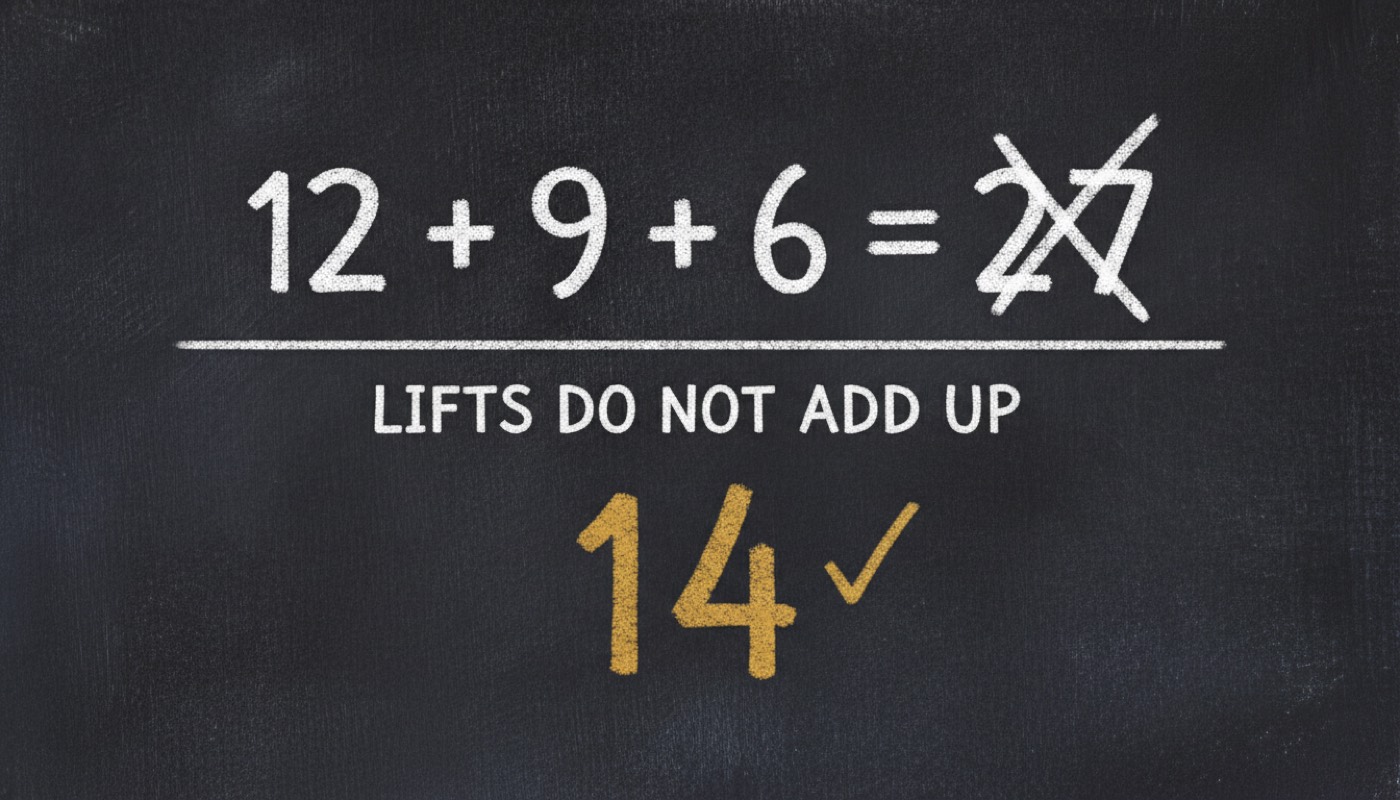
Cutting a signup form from 11 fields to 4 lifted conversions 120%. Cutting a different one from 9 to 6 dropped them 14%. Both are real, which is why “shorten the form” is not a plan. cro-actions is the middle link of my CRO chain — it turns a ranked finding list into actions concrete enough to start on Monday, and it refuses to emit anything vaguer than that.
For teams sitting on an audit nobody has started — where the list is agreed, the order is not, and the page has looked the same for three weeks.
opvs-skills install @di-atomic/cro-actionsThen say: “what should I fix first?” or “turn this audit into a plan”.
Why the audit never turns into work
findings: hero weak, form long,
          pricing confusing

→ "add social proof"
→ "shorten the form"
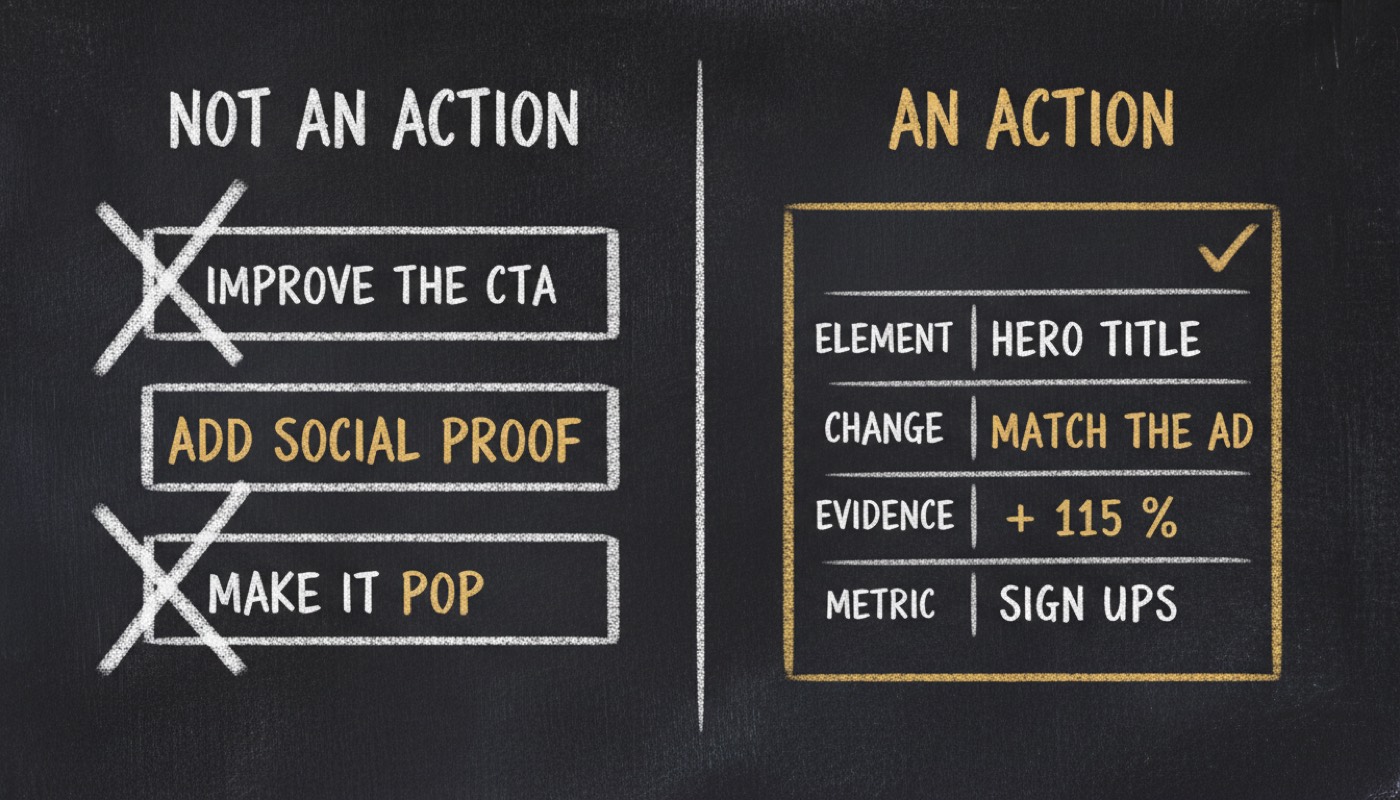
→ "make the CTA stronger"

(no element named, no target value,
 no evidence, no effort, no order
 — and nothing to start on)
Every line is true of pages in general and unfalsifiable about yours. Nobody can pick one up, and nobody can tell afterwards whether it worked.
element   hero H1
change    match the inbound ad phrase
evidence  +115% form submissions
          (source cited, live URL)
effort    copy / hours
metric    form submissions
owner     copy-engine → SpiderPublish
window    week 1
Seven fields, or it does not ship. An action without evidence and without a named target is not an action — it is a vibe with a ticket number.
A finding is a diagnosis. Somebody still has to write the prescription.
What you actually get
Every action names a real target
Each fix resolves to one of two shapes: a named component that already exists and can be installed, or a specific content edit handed to the skill that writes it. There is no third category where the plan says “improve” and leaves the rest to you.
Evidence, or an honest flag
Every action carries a source-cited measured lift, or it is explicitly marked unverified best practice. A whole plan is capped at 20% unverified. The same tactic is documented lifting and lowering conversion, so when the evidence does not transfer the recommendation becomes “test it”, not “do it”.
Effort estimates that survive contact
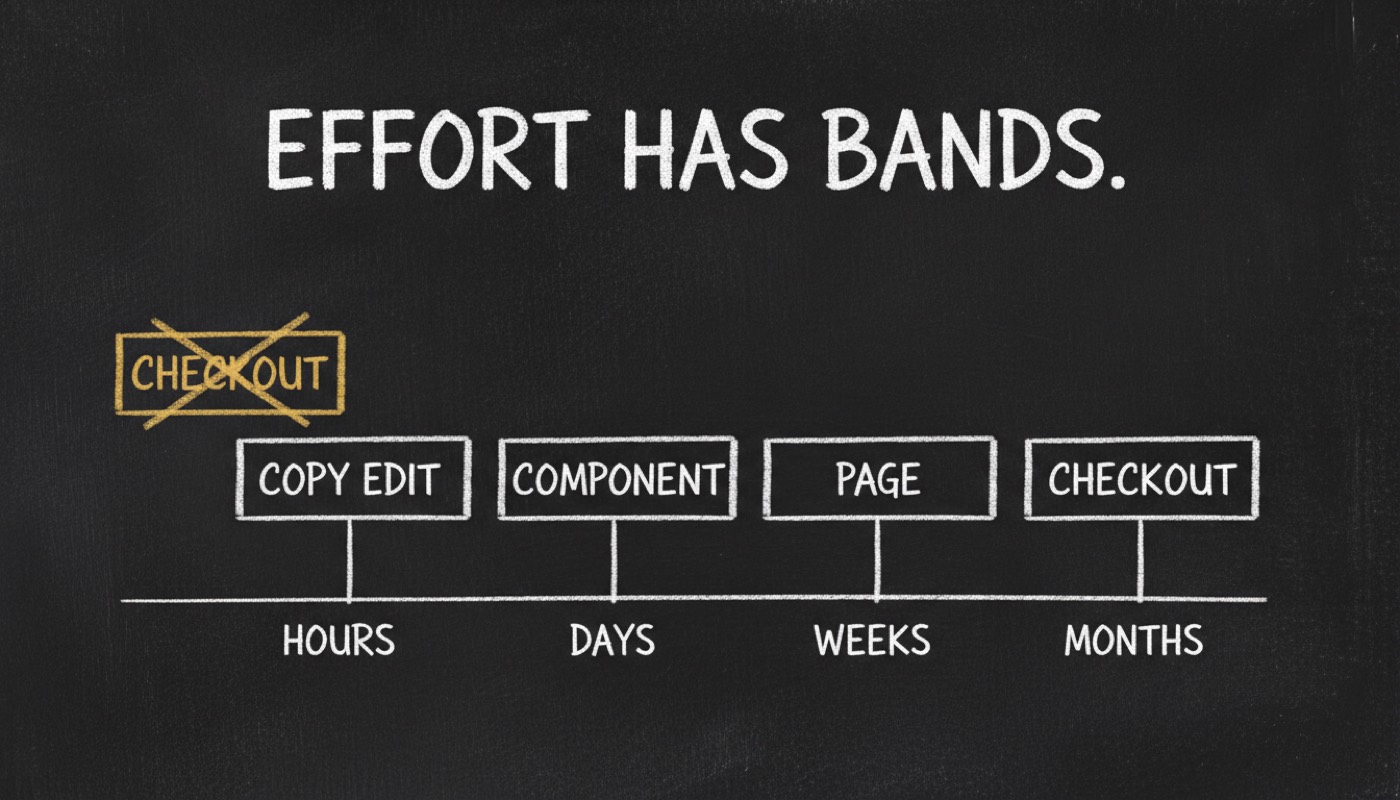
Copy edits live in hours, component installs in days, page rebuilds in weeks, checkout reworks in months. An estimate two bands away from its change type is rejected. Rank by impact over effort and get the effort wrong, and the whole order is wrong.
The two rules that do the most work
One finding, start to plan
> "the audit says my hero is weak and the form is too long. what first?"

  recall prior outcomes for this brand + page ...... 1 hit
    → form-shortening lost 14% here in March. do not re-propose blind.

  finding 1  weak hero
    class ....... content edit
    action ...... match hero H1 to the inbound ad phrase
    evidence .... +115% form submissions (cited, live source)
    effort ...... copy / hours
    owner ....... copy-engine → SpiderPublish

  finding 2  long form
    class ....... component install
    action ...... multistep funnel, 11 fields → 4
    evidence .... +120% conversions (cited)   CAVEAT: -14% at 9→6 elsewhere
    effort ...... component / days
    verdict ..... A/B test it, do not ship blind

  gates       evidence 2/2 PASS · effort 2/2 PASS · lint 2/2 PASS
  sequence    week 1: hero copy   week 2: form test   week 3: re-audit
  projected   per-action, not summed
The recall line at the top is the part that pays for itself. A plan that re-proposes a fix which already lost a test on this exact page is worse than no plan.
Where it stops
I built this by dogfooding the same stack I run for clients.
cro-actions is one skill in the system behind Di-Atomic — the marketing & compliance agency that runs cognitoAI, SpiderIQ and OPVS. If you want a conversion program that hands your team a prioritized plan instead of a list of adjectives — in any of our seven languages, including regulated categories like REACH and CLP — that’s the day job. Let’s talk.
Book a 30-min call with Di-AtomicJust want the skill? Get @di-atomic/cro-actions free.