

Directory backlinks are dead. Directory profiles are what AI reads now.
A founder I read about last month hit Product of the Day. 400+ upvotes. 1,200 people signed up for a trial. Eight of them paid. Three weeks later the spike was gone and the listings stayed exactly where they were, quietly describing the product forever.
That is the part nobody plans for. Not the launch. The listings.
I have been shipping the @di-atomic skills in public for a few months now, and distribution-launcher is the one I expected to be boring. Submit product to directories, collect backlinks, move on. Instead it turned into the skill with the sharpest opinion in the set, because while I was building it the job description changed underneath me.
The advice everyone still repeats
Open any launch checklist and you will find the same line: submit to 100+ directories. It made sense when a directory listing was a backlink and nothing more. A backlink is inert. It sits there, it passes a little authority, and if the page rots, the worst case is that it stops helping you.
That is no longer the worst case.
What changed
Directory profiles are now training-adjacent, retrieval-adjacent, and citation-adjacent. When someone asks ChatGPT or Perplexity or an AI Overview for the best tool in your category, the model does not visit your homepage and form an opinion. It reads the descriptions of you that already exist in structured, machine-readable places. Directories are exactly that.
So a stale profile stopped being neutral. It became an active liability.
You rebrand, and 40 profiles still carry the old name. You pivot, and your Capterra entry still leads with the tagline you abandoned in March. You kill a plan, and three AI directories still list its price. None of those pages expire. None of them notify you. And every one of them is a source an AI can cite when it decides whether to recommend you.
The failure mode is precise and quiet: AI recommends the product you used to sell.
Which is why this skill tells you to submit to fewer directories
That is the inversion I built into distribution-launcher@0.3.2, and it comes from operators, not from me theorising. The practitioners who pushed back on the blast-everything advice made two points I could not argue with. The handful of directories that actually move indexing and authority are the ones you can already name. And the long tail that submission services pad your list with is mostly SEO graveyards with a form on them.
So the skill ships with a stance:
Do the first 10 to 15 by hand. You learn which directories are alive, which ones reject you, and which ones will still be there in a year. You cannot learn that from a queue.
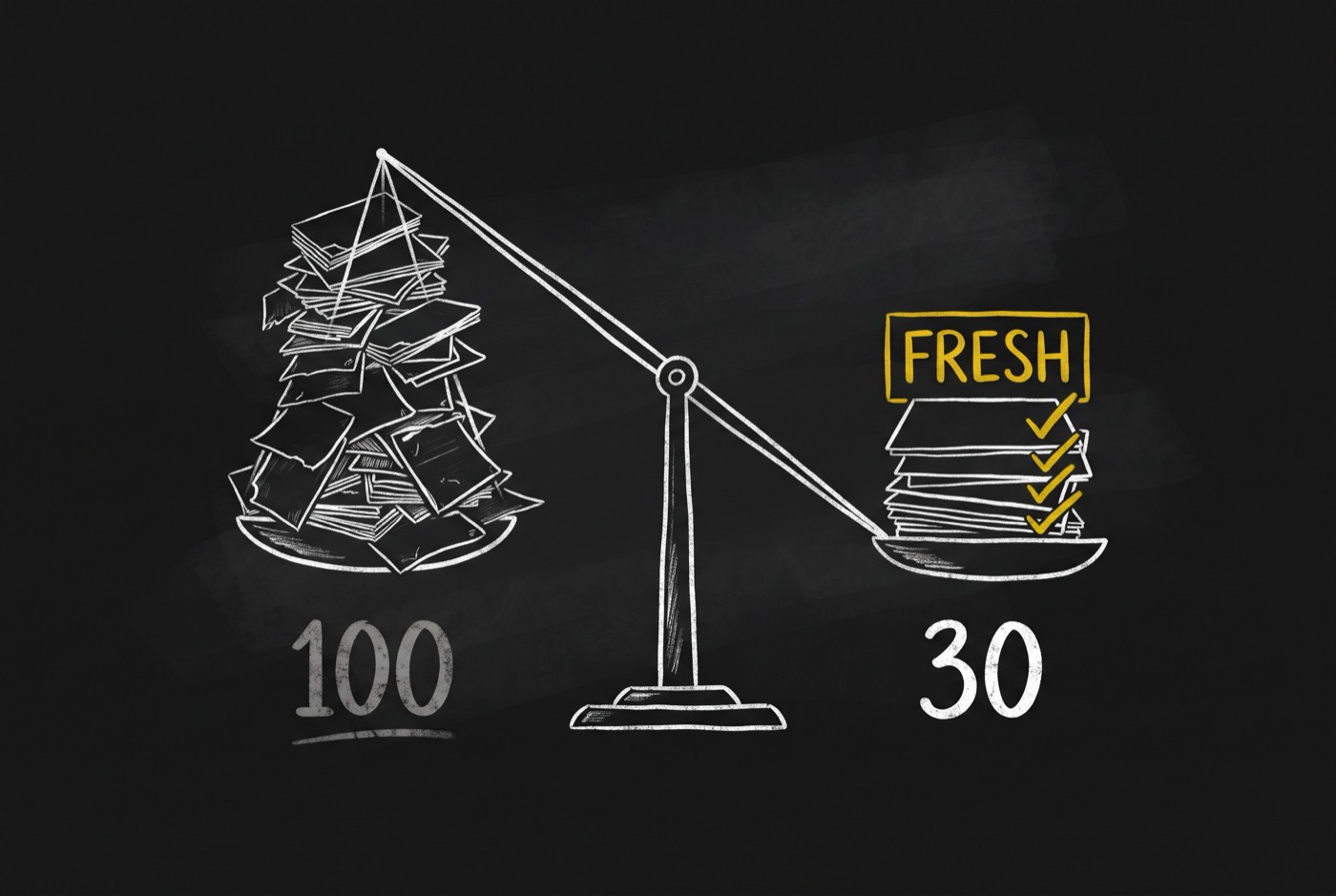
Treat the KPI as relevant and current, not just submitted. The volume number still matters, because you cannot optimise zero. But 30 kept-current listings beat 100 abandoned ones, and the second number is worse than doing nothing.
Make freshness a gate, not a habit. The skill bundles a registry of 72 directories across 7 tiers and 8 locales, and every single entry carries a lastVerified date. A verifier called verify-registry-freshness.mjs enforces a 180-day window with an 85% fresh floor and refuses to pass a stale set. On the shipped registry it runs 72 out of 72 fresh, HEALTHY, exit 0. That is a number you can check rather than a promise you have to believe.
Two more things it refuses to let you skip
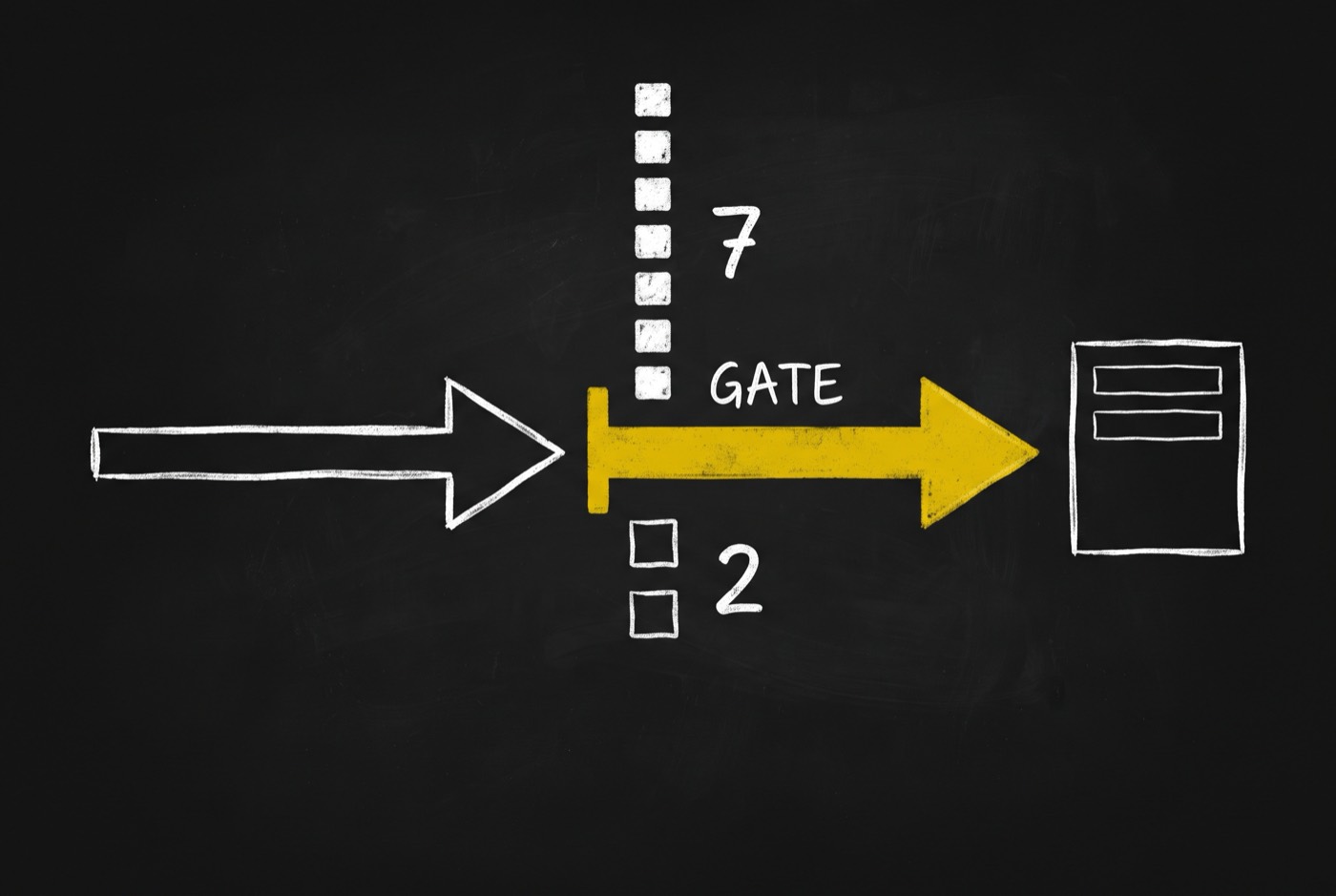
A readiness gate before anything gets submitted. Nine items, seven of them hard blocks: is the product publicly reachable, is there a pricing page even if it says free during beta, are privacy and terms live, do you have logo assets in every shape a directory demands, do you have real screenshots and a demo, is your heading structure and schema markup sane, are your alternative and use-case pages actually indexed. Two soft blocks cover the lead magnet and having enough beta users to leave reviews. A no on any of the first seven and the skill stops you, because a rejected submission costs more than a delayed one.
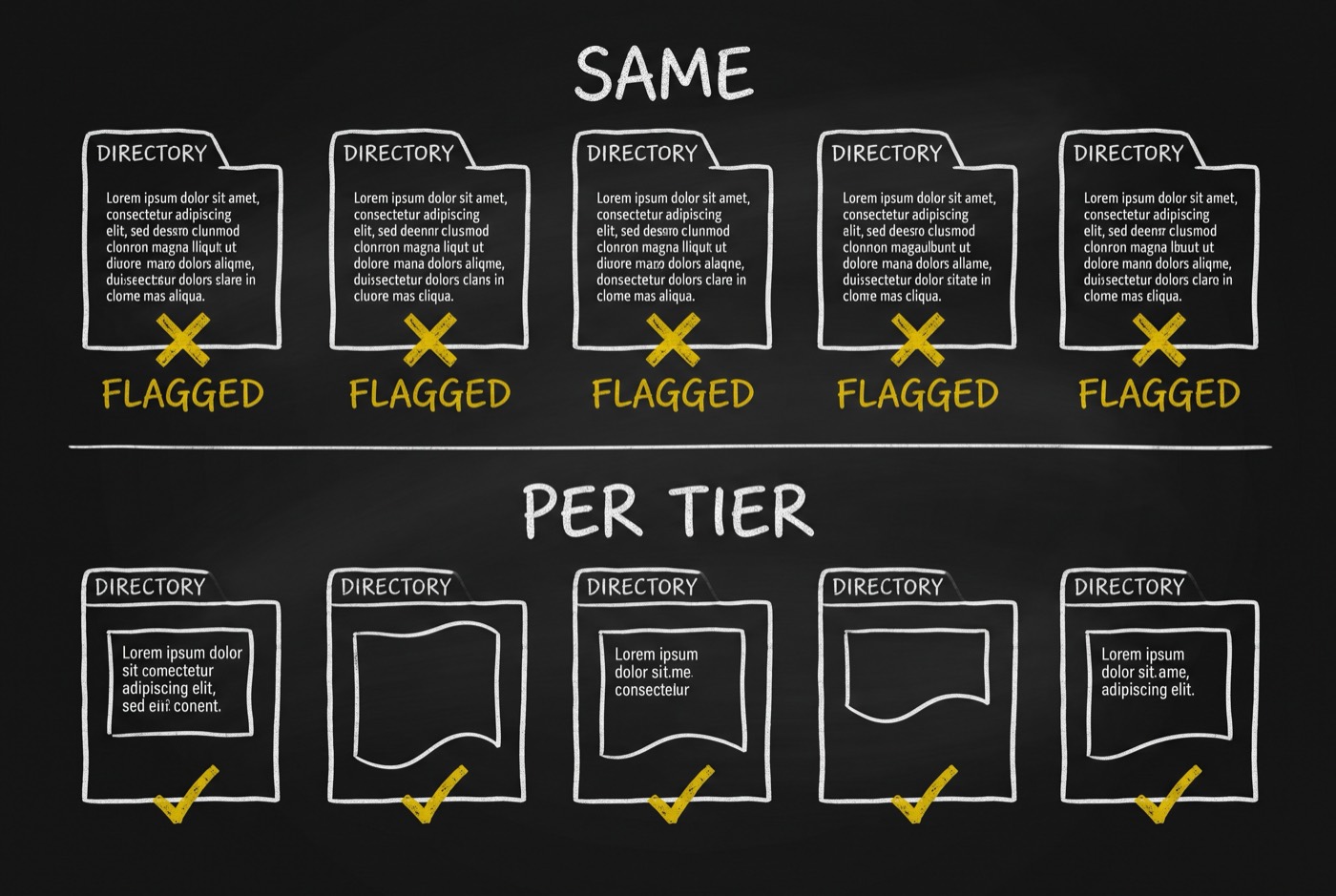
Different copy per tier. Startup directories want the outcome. SaaS directories want the alternative framing. AI directories want the architecture. Agent and MCP registries want the protocol angle. Review sites want ROI. Paste the same 150-word description into all of them and you are not saving time, you are training every anti-spam filter in the category to flag you. The skill generates the variants and a script checks them for framing, uniqueness, and character limits before you paste anything.
About Product Hunt
I kept the honest version in the bundle. Product Hunt is not useless. It is audience-mismatched for most products. The crowd there is founders, makers, and people who enjoy trying new tools, which means if your buyer is a developer or an agent builder, it converts. If your buyer is a normal business, it is an awareness and credibility event with a good backlink attached, and you should plan the follow-up before you plan the launch.
And the prep window is not three days. The people who finish first spend around 30 days building in public first, telling their own audience what Product Hunt even is, and arriving on launch day with a list of humans who already care. The form-filling is the last hour of a month of work, not the work.
How it fits with everything else
distribution-launcher is guidance-only. There is no backend and nothing to call. Your agent reads the bundled registry, recipes, and 13 learnings through skill_read and does the thinking itself, then persists state through the OPVS coordination skills so a launch survives a compaction.
It sits in the middle of a chain. icp-discovery decides your category and whether Product Hunt even fits your buyer. copy-engine writes the per-tier listing copy. media-generator produces the screenshots and demo the readiness gate demands. post-writer handles the build-in-public run-up. And outbound-engine picks up the spike afterwards, because visibility is not revenue and somebody has to convert those eight paying customers instead of mourning the 1,192 who left.
The skill orchestrates the launch moment. It does not write your copy, make your assets, post for you, or send your email. It tells you where to go, in what order, with what framing, and it stops you when you are not ready.
Live now on the OPVS marketplace as @di-atomic/distribution-launcher.