
I read 52 community teardowns. The best champion programs pay nothing.
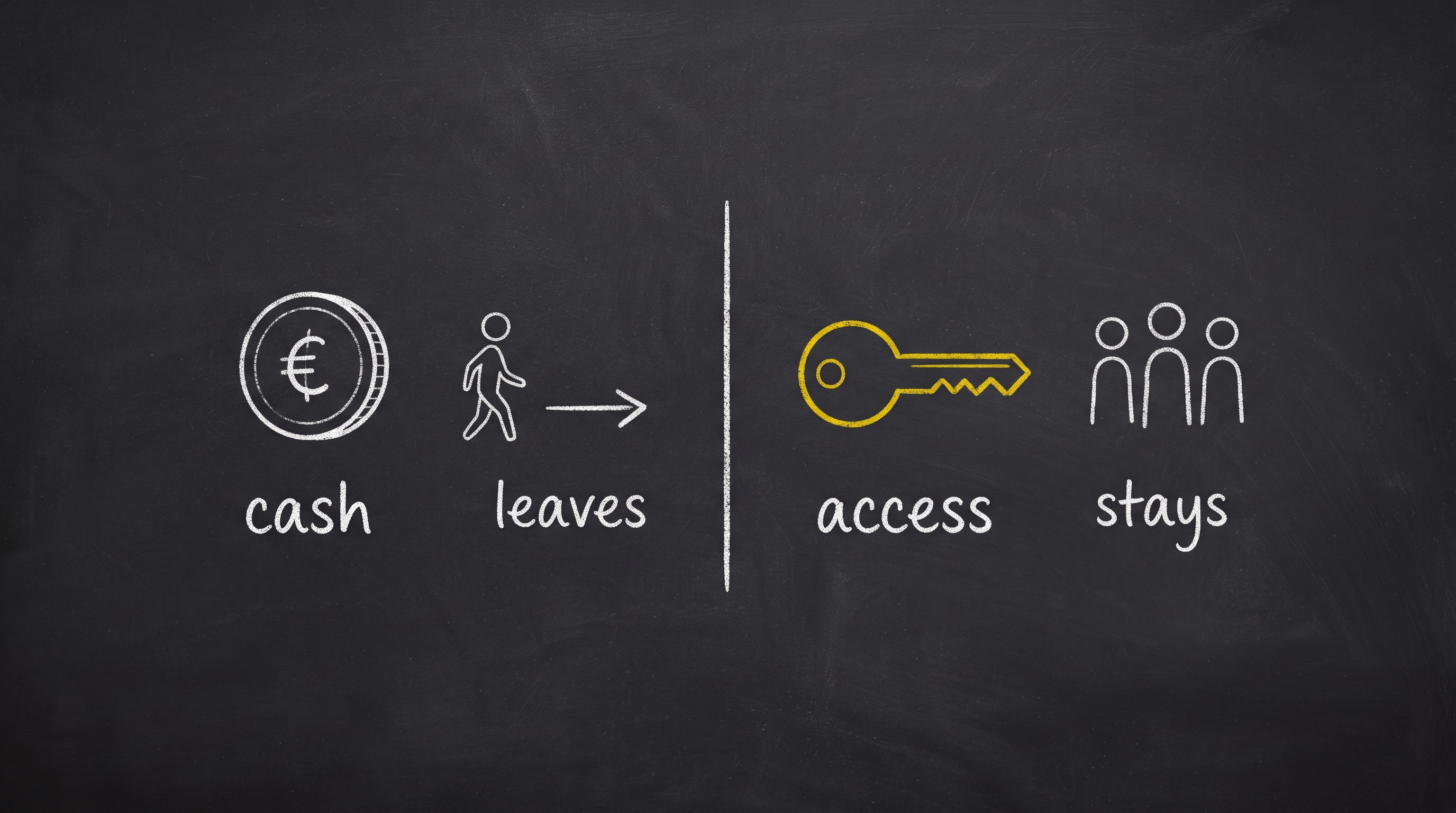
I went looking for how the best communities actually reward their best people. I expected to find budgets. I found the opposite. Notion's ambassadors are unpaid. AWS Community Builders get $500 in credits, a private Slack, and an exclusive badge. Cloudflare's MVPs get access, not invoices.
Here's why that matters: cash attracts mercenaries. Access attracts advocates. One is cheaper and lasts longer.
That finding is now a hard rule inside @di-atomic/community, the skill I shipped this week. But it's not the rule I fought hardest over.
The number I stopped letting myself report
For years I measured community the way everyone does. Followers. Members. Joins. Those numbers only ever went up, which should have been the tell.
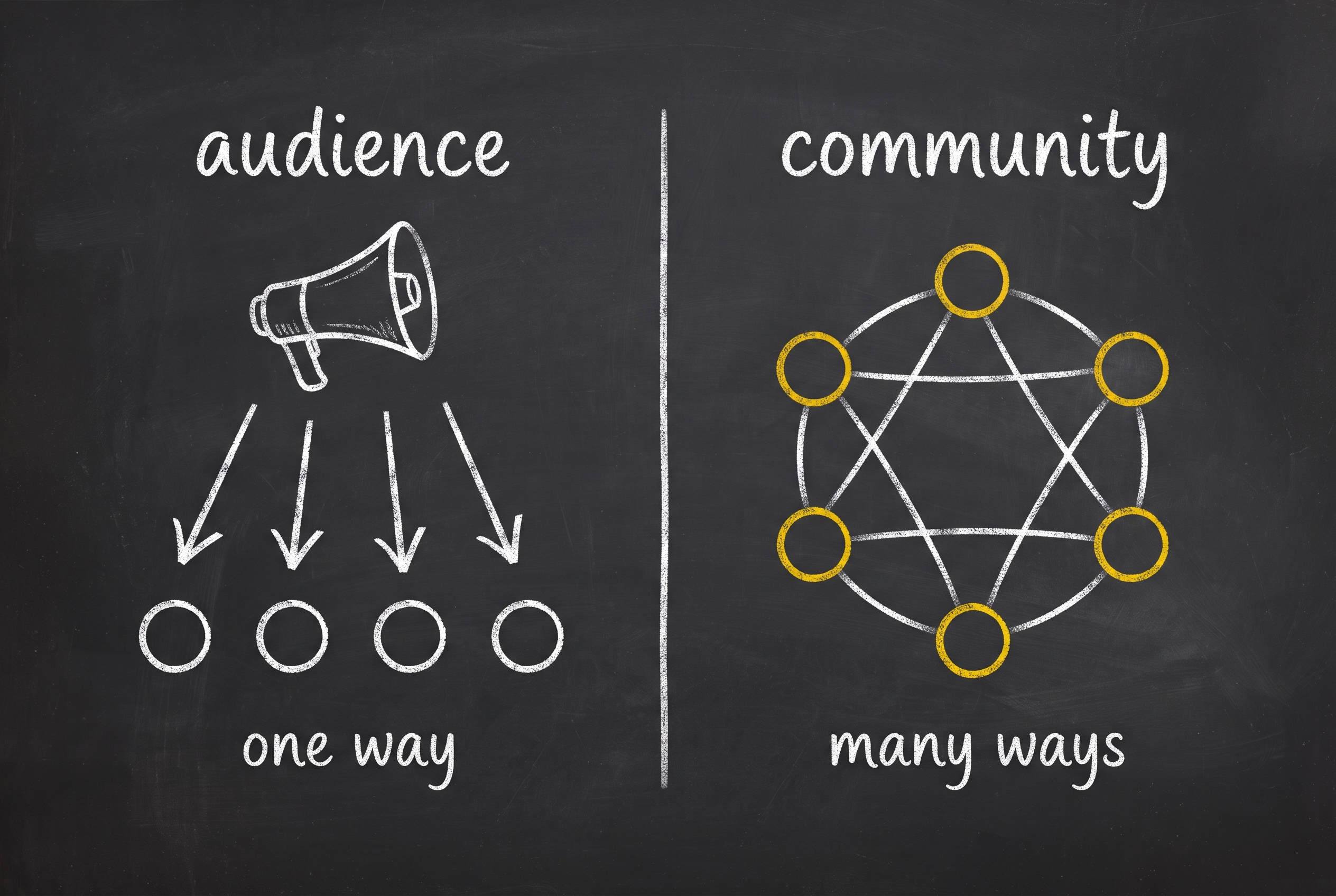
An audience is not a community. An audience is one-way reach. A community is people who participate and know each other. You can have 50,000 followers and zero community. You can have 400 members and a moat.
The failure mode is always the same. You report the count because the count is easy, and the count always looks like progress.
But there's a catch: community referral is worth real money. Peer and community referral drives somewhere between 38% and 51% of B2B pipeline, and 61% of IT buyers rank a recommendation as their number one input. That revenue is real. It is also nearly invisible to your analytics, because the conversation that closed it happened in a private Slack or on a call you weren't on.
So you end up with a channel that pays and a dashboard that can't see it. Then you fill the gap with follower counts.
The gate I shipped
Every champion and every partnership this skill produces has to carry one of two things. A revenue_tie that maps a member to a deal. Or an explicit exploratory: true flag that says out loud "I am spending here on faith."
There is no third option. verify-member-to-revenue-tracking.mjs fails the build if you try one.
Let me show you exactly how that plays out. You ask the skill to identify your champions. It scores sustained signal, not enthusiasm. It writes each one to a card. If a card has no deal attached and no exploratory flag, the script prints FAIL with the count and the card, and you don't get an output.
That is deliberately annoying. Annoying is the point. The flag is cheap to set and it costs you nothing but honesty. What it prevents is the slow drift where a champion program runs for eight months and nobody can say what it returned.
Four more things the teardowns changed my mind about
I read 52 community teardowns to build this. Notion, AWS, Cloudflare, Lenny's, the Stripe and Vercel partnership plays. Every one is in the registry with its source and its number attached, so the skill installs a real pattern instead of inventing one.
Now for the good part. Four findings that survived:
Rituals beat events. A weekly AMA outperforms an annual conference. Compounding beats spikes. Two independent sources said it, and it reframed the whole scheduling recipe.
Champion activation needs sustained signal. Three months of consistent depth and reach, not one great interaction. Activate too early and you burn the person out. Wait too long and someone else recruits them.
Communities police fake engagement themselves. The single biggest thread I read was a community publicly outing a spammer's engagement pod. He was already banned. Inauthentic tactics don't just fail to convert. They get you named.
Start with the topic, not the product. Community first, sales last. The skill lints for this. lint-salesy-tone.mjs flags product-first copy and a call to action placed before any value, and it fails on both.
What the skill actually is
It's a brain, not a platform. It decides who counts as a member, which lifecycle stage they're in, which company is a genuine partner fit, when someone has earned champion status, and whether any of it ties to money. It does not host anything.
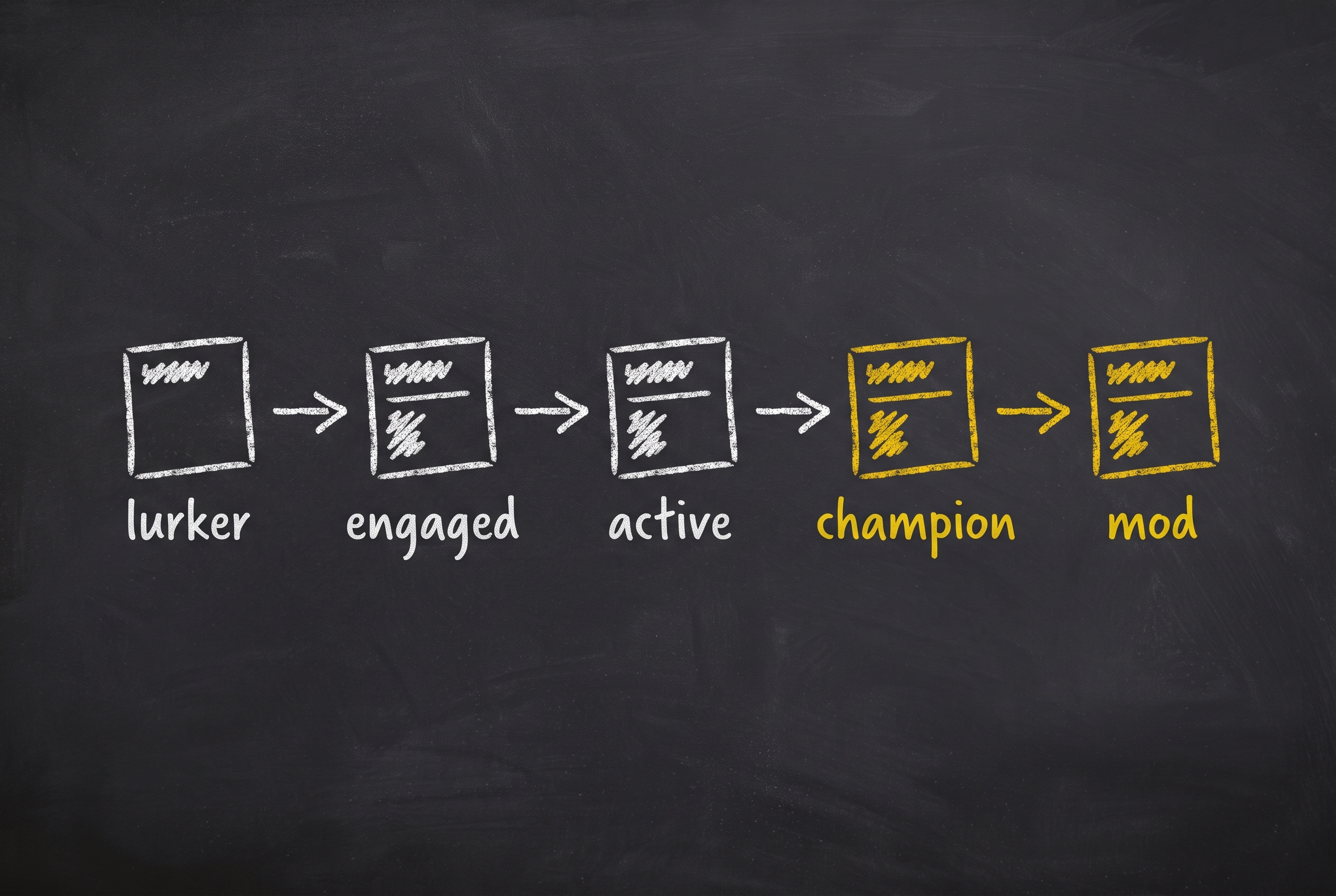
The work routes to what already runs your stack. Your AgentBoard contacts board is the member CRM, with lifecycle columns from lurker to moderator. Your content_calendar board is the scheduler. scrapecreators is the discovery surface, so member finding isn't reinvented. post-writer writes the words in your own voice, read from voice.md. distribution-launcher posts them. agentmemory remembers which partners and champions worked, so you stop re-pitching people who already said no.
Bottom line? You own the whole thing. No rented community platform sitting between you and your members, holding your list.
The shipped bundle: 7 hard rules, 8 recipes, 9 reference procedures, 52 evidence-bundled registry items, 25 learnings, and 5 scripts that print PASS or FAIL with numbers you can check.
The honest limits
Discovery is uneven and I'd rather say so than have you find out. Reddit, YouTube, and X are strong. LinkedIn is weak, so it routes to SpiderPeople. Discord, Slack, and Telegram are closed, so you survey from the web and get invited in like everyone else.
Multilingual discovery is English-first today. The regional platform routing for Russian, Romanian, French, German, Hebrew, and Spanish is documented, and the team leads run those rooms.
If you want to try it:
opvs-skills install @di-atomic/communityThen ask it something specific. "Who are our champions?" is a good first question, because the answer will either come back with deals attached or it won't come back at all.