
Every AI podcast tool renders first. Mine refuses to.
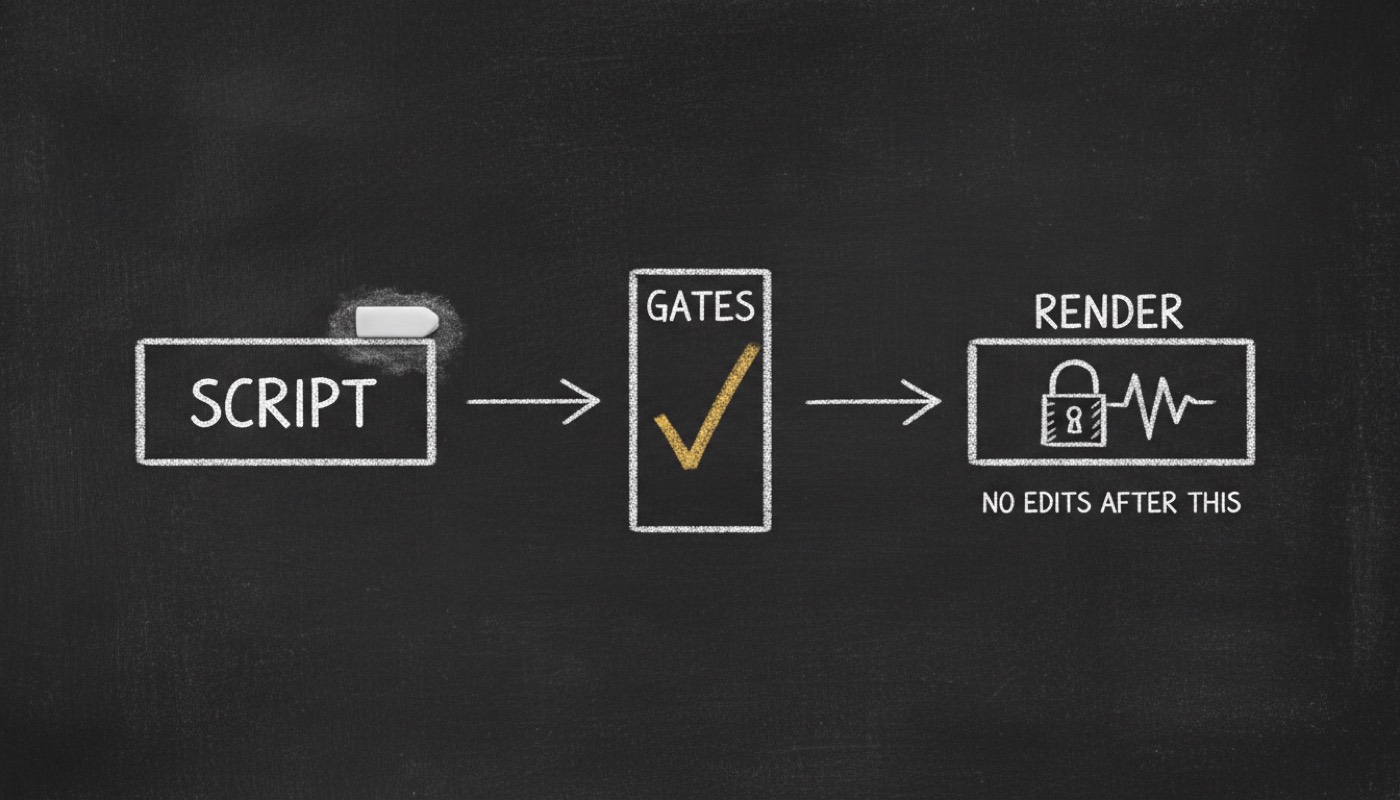
You can quietly edit a blog post. You cannot edit an episode somebody already downloaded — the listener has the file and the directory cached it, so a correction is a new episode, not a fix. podcast puts every quality gate before the render, while a mistake is still a text file.
For teams who want to run a real show — choosing the format, controlling what gets said, and proving no banned claim reached the audio — not a novelty two-host summary of a PDF.
opvs-skills install @di-atomic/podcastThen say: “turn this research into a podcast” or “script a panel discussion with 3 speakers”.
Why gating after the render is too late
corpus → [black box] → episode.mp3

  speakers:  2 (fixed)
  script:    not shown
  claims:    unchecked
  balance:   unmeasured

→ published → downloaded
→ correction = a new episode
You hear the problem the same moment your audience does, and by then the file is on their device.
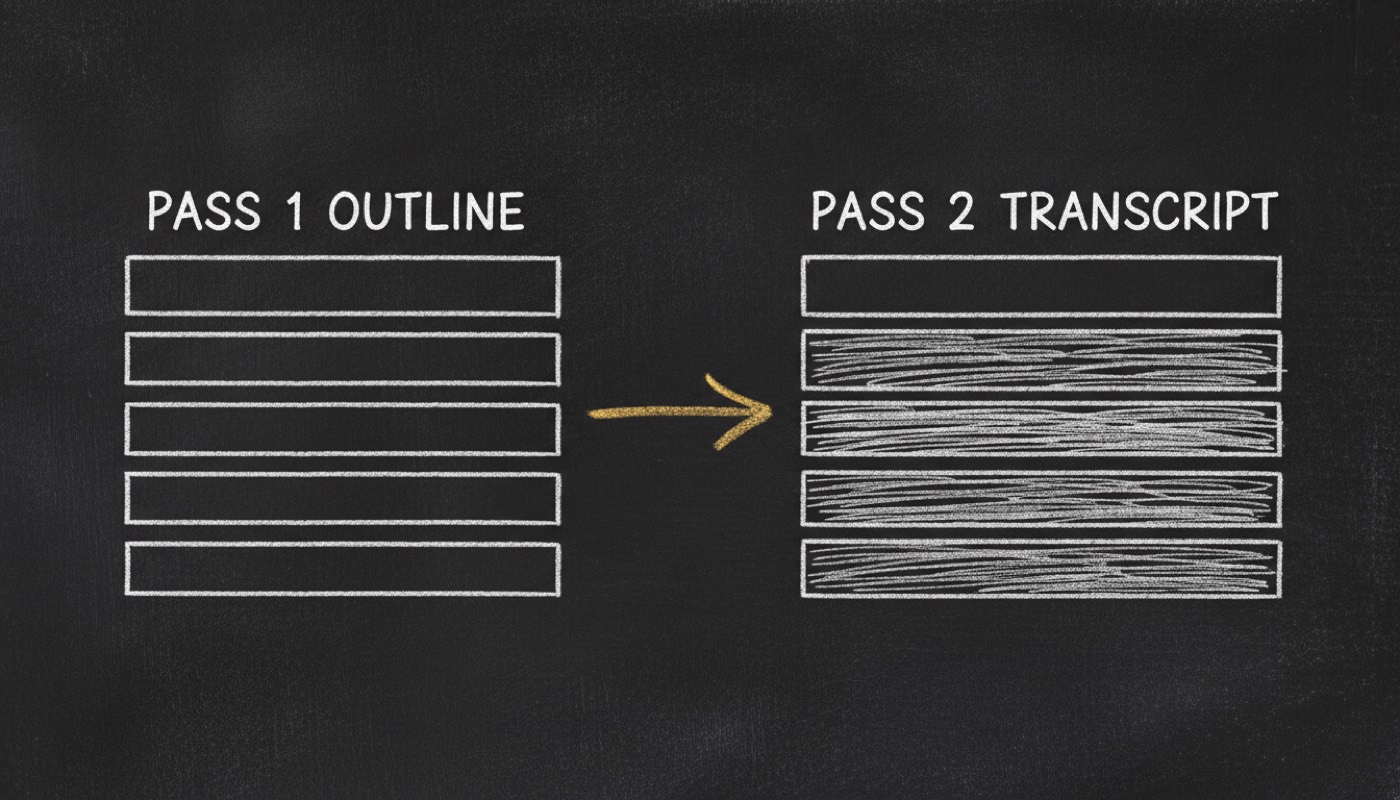
corpus → outline → transcript

  verify-episode-structure ..... PASS
  verify-multispeaker-balance .. 68.8% PASS
  lint-claim-vocab ............. 0 banned PASS

→ only now: hand to media-generator
→ a fix is still a text edit
Everything expensive and irreversible happens downstream of a file you can still change.
Audio is the one format where “we’ll fix it in post” means recording it again.
What you actually get
A claim gate audio cannot undo
On a deliberately bad biocide episode, lint-claim-vocab.mjs caught 9 banned absolute claims before anything was voiced. Mandatory and final for REACH, CLP, biocide and pharma episodes. No consumer podcast tool offers this at all.
One to four speakers, your call
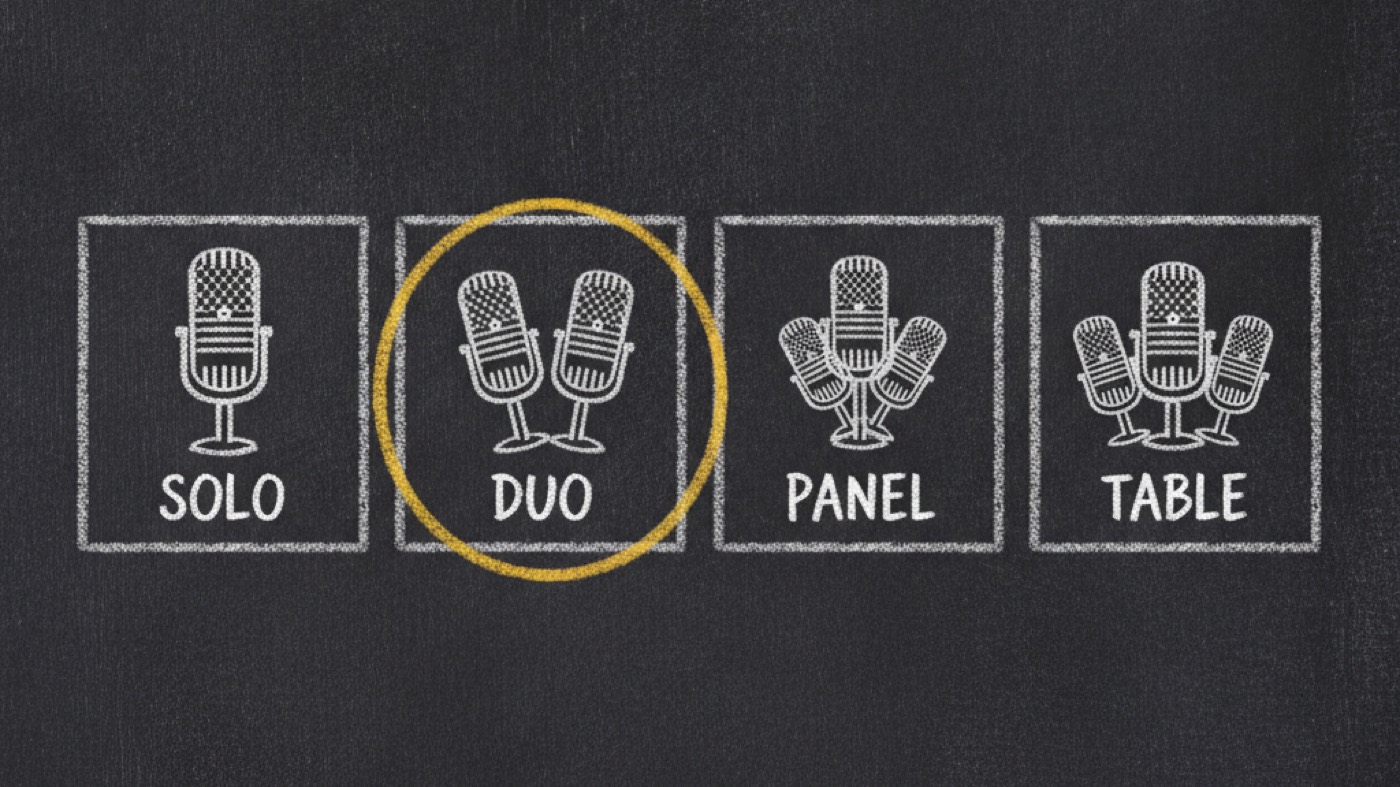
Solo explainer, two-hand interview, three-person panel, four-way roundtable. Five is a hard validation failure. And no single voice may exceed 70% of the words, because a “panel” where one person talks 80% of the time is a monologue with interruptions.
The text that makes audio findable
Search engines and answer engines cannot listen. Every episode emits show-notes with a full transcript, three or more chapters timestamped from 00:00, and keyworded metadata — persisted so the clips, posts and follow-ups can reuse it.
The two design decisions that matter
One episode, corpus to handoff
> here is a research pack on EU biocide labelling. 2 speakers, 12 minutes.

  cast speakers ............ host + regulatory guest, voice_ids assigned
  PASS 1  outline .......... 6 segments, hook first, wrap-up last
  PASS 2  transcript ....... per segment, running context

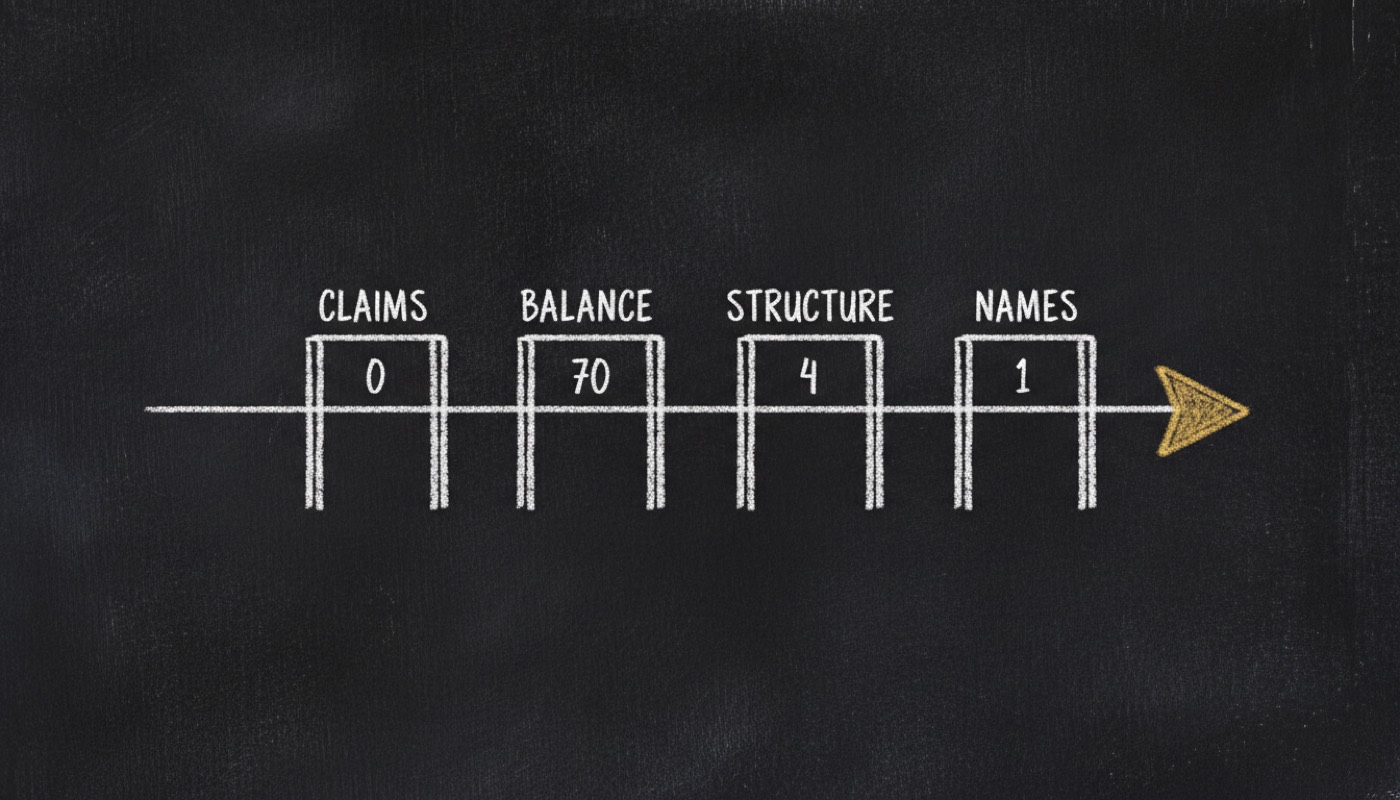
  verify-episode-structure ....... PASS  hook 26s, 2 speakers, 5 segments
  verify-multispeaker-balance .... PASS  top speaker 68.8% (cap 70%)
  lint-claim-vocab ............... PASS  0 banned absolutes
  show-notes ..................... 4 chapters from 00:00 + full transcript

> handoff
  media-generator ......... TTS + mix, states $0.45 or $3.00 and why
  SpiderMedia ............. MP3 hosted, public CDN URL returned
  distribution-launcher ... RSS enclosure → Spotify / Apple
The cost line is deliberate. An agent that quietly picks the premium voice on a batch of forty episodes should have to say so first.
Where it stops
media-generator and directory submission to distribution-launcher, so installing it adds no service to your stack. It also will not transcribe existing audio, run a live show, or produce music. And v0.1.3 is an English floor: DE, RU, FR and RO episodes are planned, not shipped. Saying so is cheaper than you finding out.I built this by dogfooding the same stack I run for clients.
podcast is one skill in the system behind Di-Atomic — the marketing & compliance agency that runs cognitoAI, SpiderIQ and OPVS. If you want a show that ships on a schedule, in any of our seven languages, including regulated categories like REACH and CLP where a single absolute claim in a rendered file is a real exposure — that’s the day job. Let’s talk.
Book a 30-min call with Di-AtomicJust want the skill? Install @di-atomic/podcast free.