
Ask any AI to audit your landing page. It will tell you to add social proof.
That sentence is true of every page ever built, which is what makes it worthless on yours. Generic CRO advice is survivorship bias: what worked in someone else’s context, abstracted until every detail that made it true is gone. cro-audit scores all 8 dimensions or fails, and a linter rejects any finding that does not name a specific element on your page and cite a real benchmark with a source. New in v0.2.0: it can also re-run a funnel audit to tell you whether the last set of findings ever got fixed.
For founders and operators with a page that gets traffic and does not convert — who have already read the checklists and want to know what is wrong with this page.

opvs-skills install @di-atomic/cro-auditThen say: “audit my landing page”, “why isn’t my pricing page converting?” or “has the funnel I audited last quarter actually been fixed?”
Why a tidy list of best practices is not an audit
1. Add social proof to build trust
2. Make your CTA stand out
3. Move the CTA above the fold
4. Reduce form friction
5. Improve page speed

(true of every page ever made,
 unfalsifiable about yours,
 and nothing to disagree with)
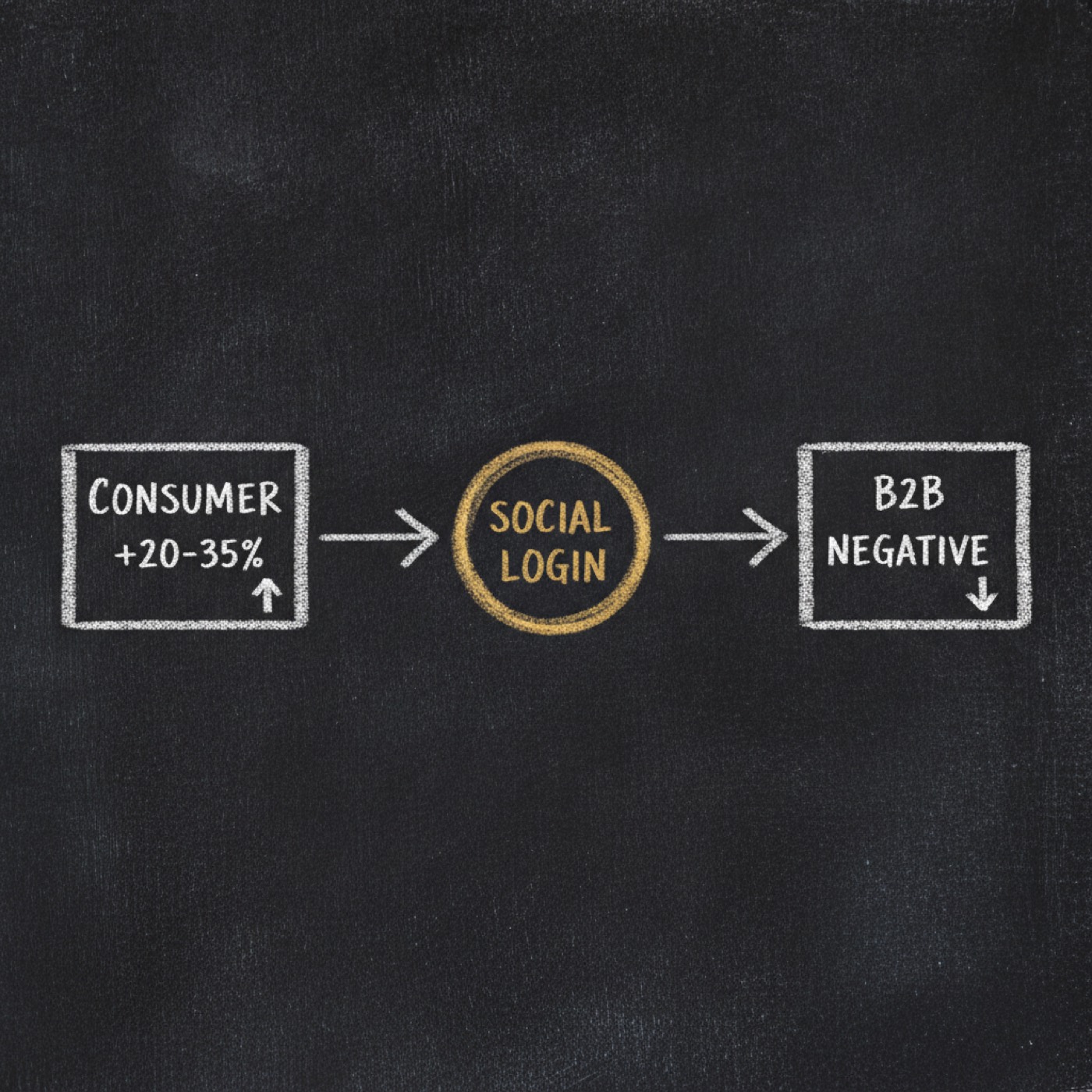
You cannot argue with any of it, so you cannot act on any of it. Worse, item 4 is how a founder got 340% more signups and 60% less revenue.
FINDING #1  social_proof  HIGH

element:   hero, above the fold
fix:       testimonials block OR
           sys-proof-recent-sales-toast
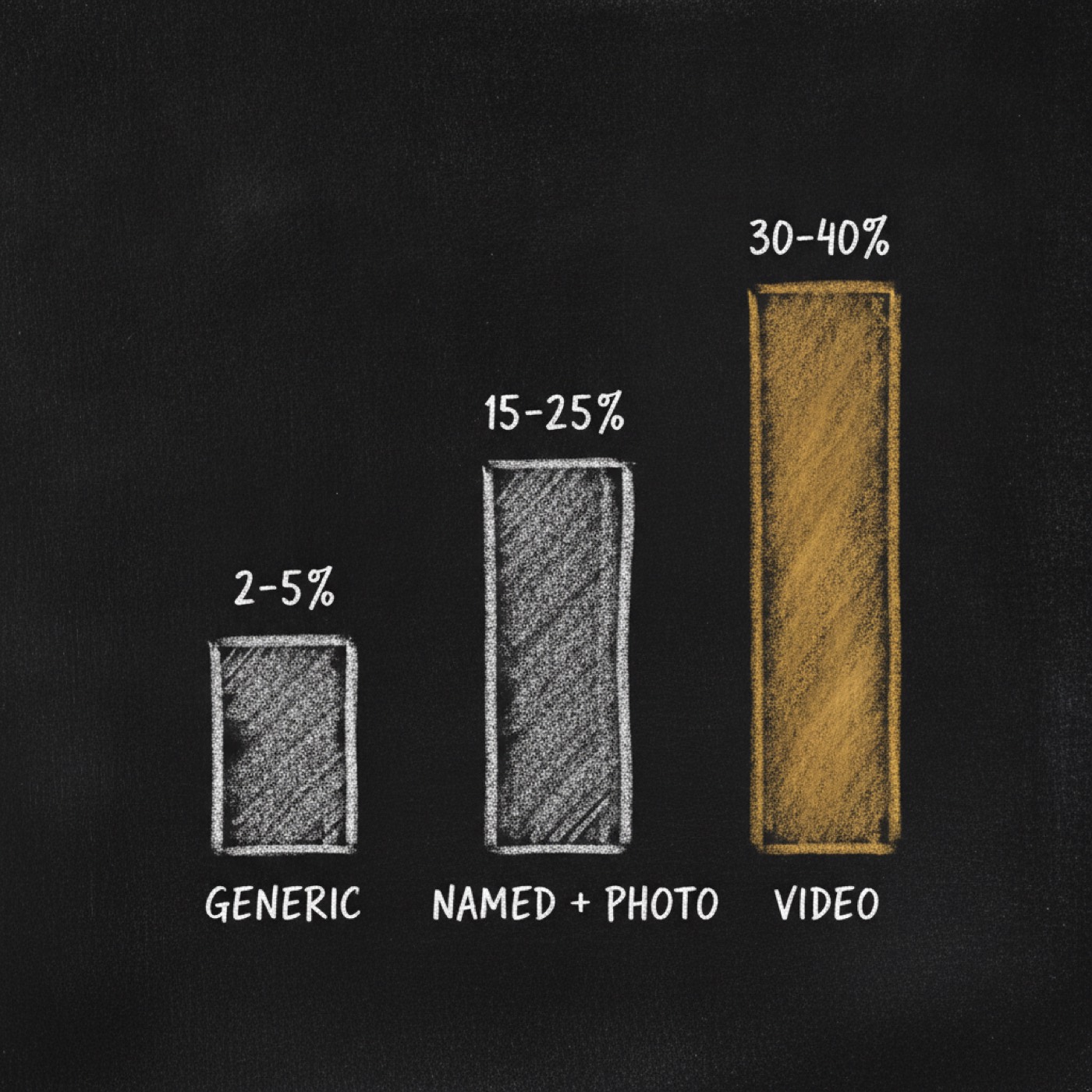
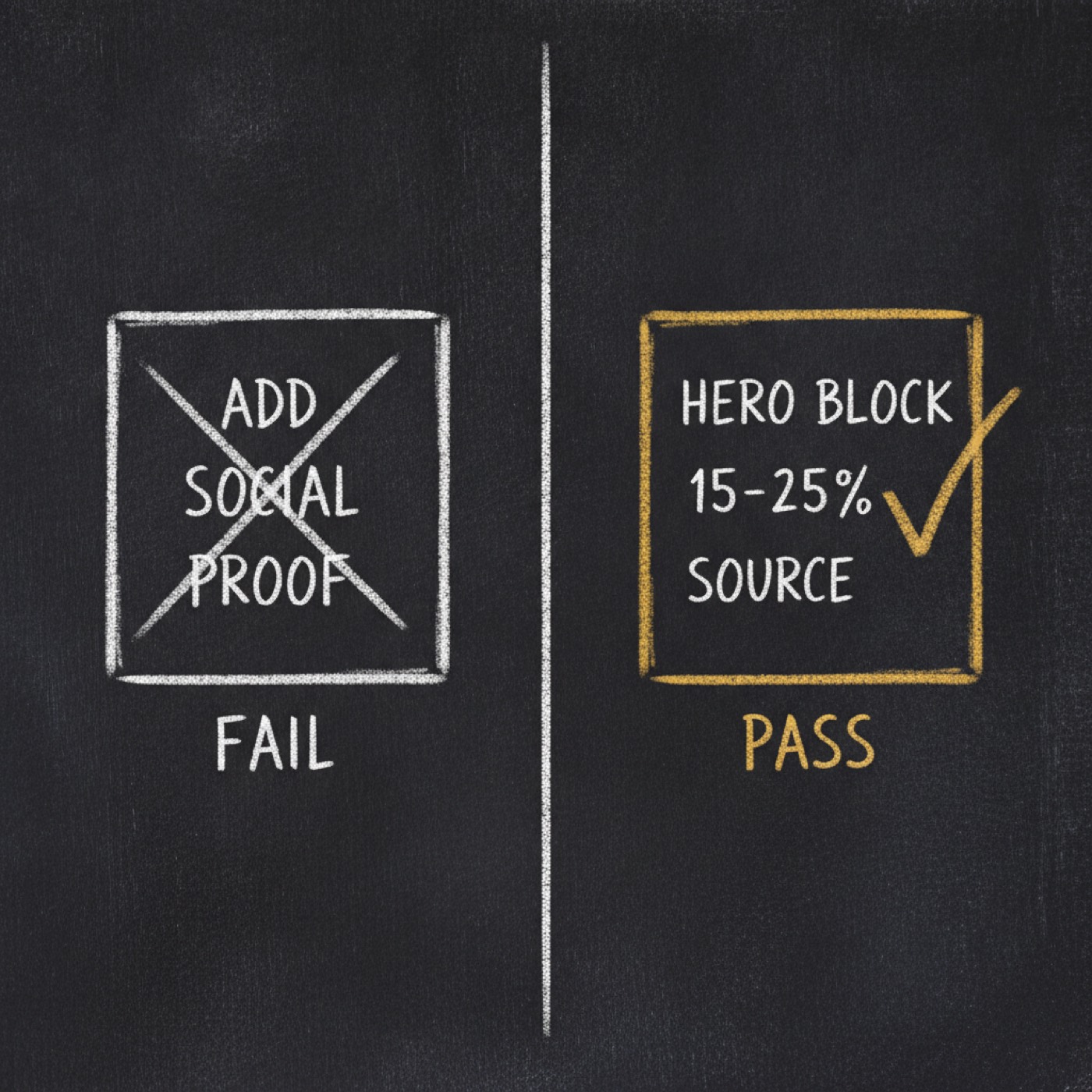
benchmark: 15-25% named+photo+outcome
           vs 2-5% generic unattributed
source:    Digital Applied, 2026
effort:    low   →  ICE rank 1
Names the element, names the fix, carries the range, cites who measured it. You can disagree with this one, which is the entire point.
A finding you cannot argue with is a finding that says nothing.
What you actually get
All 8 dimensions, every time
Value-Prop, CTA, Social Proof, Urgency, Trust & Security, Form Friction, Mobile, Page Speed. verify-audit-coverage.mjs demands 8 of 8. If a dimension cannot be assessed it has to say so and say why — silence is not a pass.
The platitude is a build failure
lint-no-best-practice-platitudes.mjs fails the run on any generic recommendation, and grade-evidence-density.mjs requires at least 80% of findings to name a page element and cite a benchmark. A rule the agent can talk itself out of is not a rule.
No dark patterns, no legal exposure
Fake urgency, fake scarcity and invented social proof get flagged as risks to remove, never recommended. On REACH, CLP, SDS, biocide, health and finance pages it will not add an unqualified outcome claim to lift conversion — existing absolutes are flagged as exposure.
Asking whether it actually got fixednew in v0.2.0
> has the checkout funnel I audited last quarter been fixed?

  route → recipes/audit-funnel-regression.md
  map funnel ................ 6 steps
  mutation boundary ......... step 5 of 6 (payment write)
  steps 1-4 ................. re-runnable at zero cost
  fixture state ............. asserted UNCONVERTED before check 1

  RE-CHECK  (verdicts: FIXED / STILL BROKEN / UNKNOWN)

  1  form_friction   FIXED          8 fields → 4
  2  urgency         STILL BROKEN   countdown still resets
  3  page_speed      UNKNOWN        LCP 3032/1100/848/2272 ms
                                    samples disagree, no verdict
  4  trust_badges    control        unchanged, as expected

  verify-verdict-integrity .. PASS  1 control, 0 single-sample verdicts
Split the funnel where it writes, not where the pages change. Steps 1 to 4 only navigate, so they re-run for free and you spend a test account only if you ask for the tail. Finding 3 returns UNKNOWN rather than FIXED because the four samples straddle the threshold — and a re-run that quietly rounds “I could not tell” up to “fine” is worse than not re-running at all.
Two findings that broke the checklist for me
One page, start to ranked list
> audit my pricing page

  route → recipes/audit-pricing-page.md
  score 8 dimensions ........ 8/8 assessed
  verify-audit-coverage ..... PASS  8/8
  lint-no-best-practice ..... PASS  0 platitudes
  grade-evidence-density .... PASS  91% cited

  TOP_LEAKS (ranked by severity x lift / effort)

  1  social_proof   HIGH   hero has no proof above fold
                           15-25% vs 2-5%   (Digital Applied 2026)
  2  form_friction  HIGH   8 fields on the trial form
                           16 → 8 fields lifted 120%  (Baymard)
  3  urgency        RISK   countdown timer resets on reload
                           → remove. this is a dark pattern.

> finding #2 recommends removing friction

  paired warning: name the downstream metric.
  measure signups AND trial-to-paid, not just signups.
  alternatives: $1 paid trial / money-back / freemium-with-limits
Finding 3 is a risk to remove, not a win to keep. And the paired warning on finding 2 exists because a single-metric win hid a 60% revenue loss for a real founder.
Where it stops
sys-* components, copy-engine for the words, section-designer for the layout. It also will not promise you a lift. Every finding is a hypothesis with a direction and a cited range attached, because on your traffic it might be the one that goes the other way.I built this by dogfooding the same stack I run for clients.
cro-audit is one skill in the system behind Di-Atomic — the marketing & compliance agency that runs cognitoAI, SpiderIQ and OPVS. If you want the pages themselves diagnosed, fixed and tested rather than a list of best practices — in any of our seven languages, including regulated categories like REACH and CLP where a conversion claim is a legal artifact — that’s the day job. Let’s talk.
Book a 30-min call with Di-AtomicJust want the skill? Install @di-atomic/cro-audit free.