
A client win is not a case study. It is a transcript and a negotiation.
A year ago I wrote up my best client result, asked for sign-off, and legal killed it — months of proof sunk one signature short. case-studies is the fix: it owns the shape of a customer story and the discipline around it, so your strongest evidence gets out of the meeting notes and onto a page the client actually approved.
For anyone sitting on a strong client result with no repeatable, compliance-safe way to publish it — especially in regulated verticals where the wrong claim is exposure, not just a typo.
opvs-skills install @di-atomic/case-studiesThen say: “write up the ONYX engagement as a case study” or “can we publish these numbers?”.
Why your best proof stays buried
a happy customer + real numbers

→ which figures can we even say?
→ who has to sign off, and when?
→ what if they edit the headline
   after approving it?
→ is the before-number written down
   anywhere at all?

(so it stays in the transcript)
Every attempt becomes a bespoke negotiation. The strongest evidence the agency owns never gets published, because there is no repeatable, safe path from win to page.
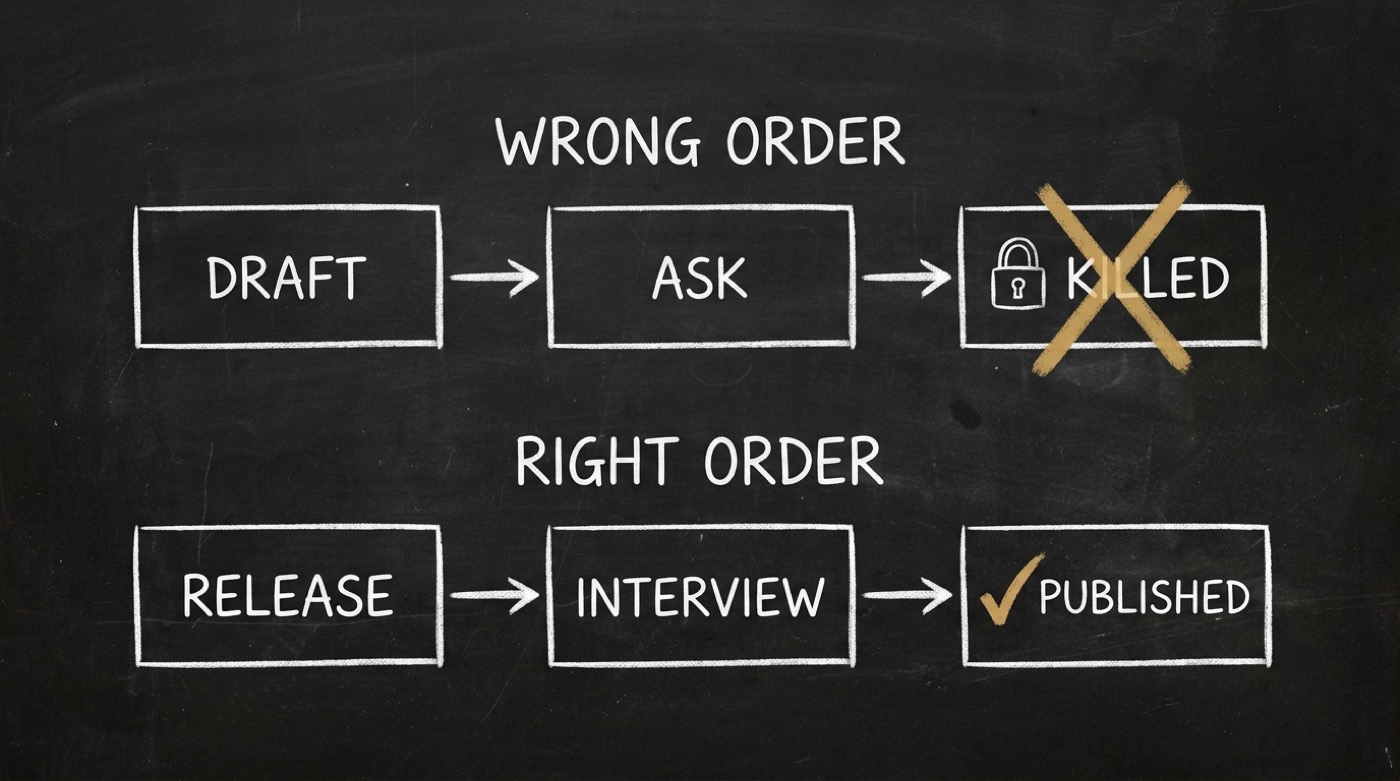
release   secured BEFORE the interview
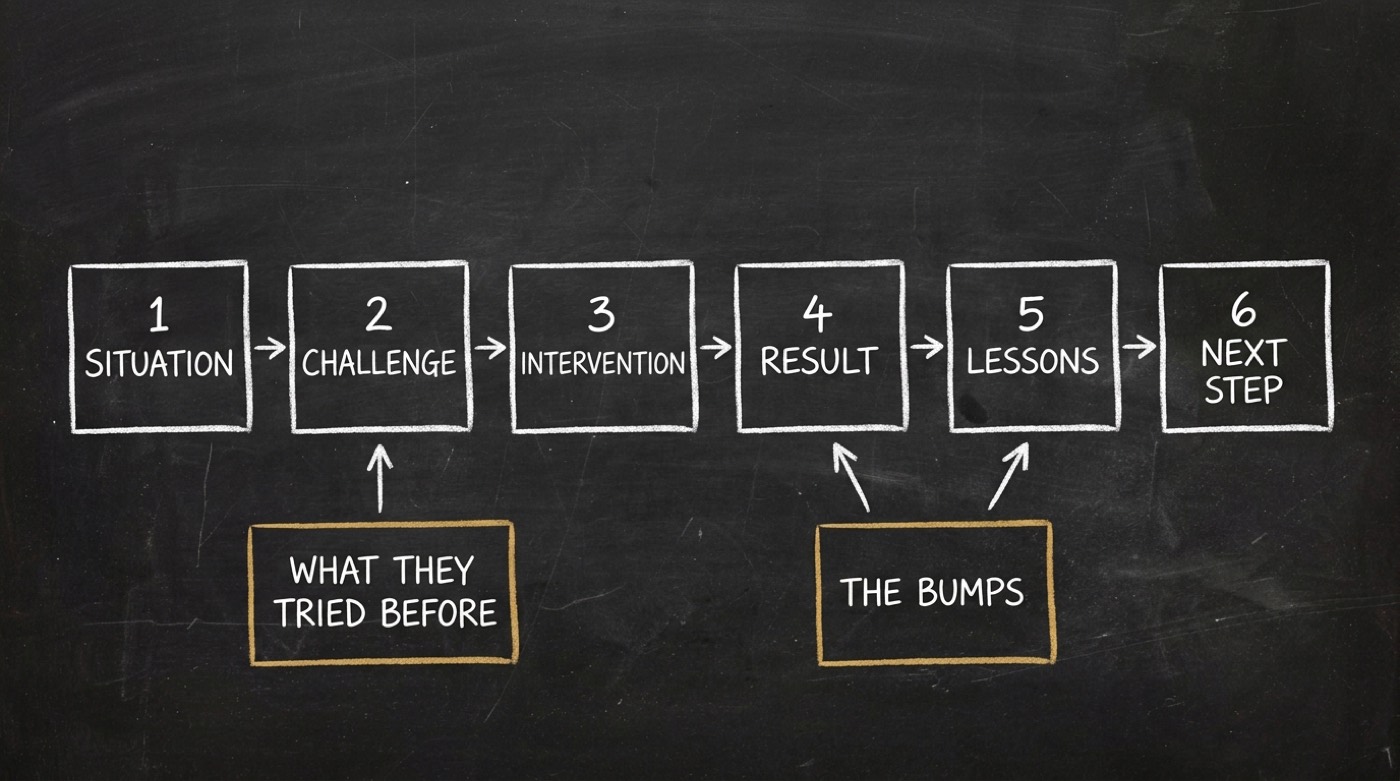
arc       6 parts + tried-before + bumps
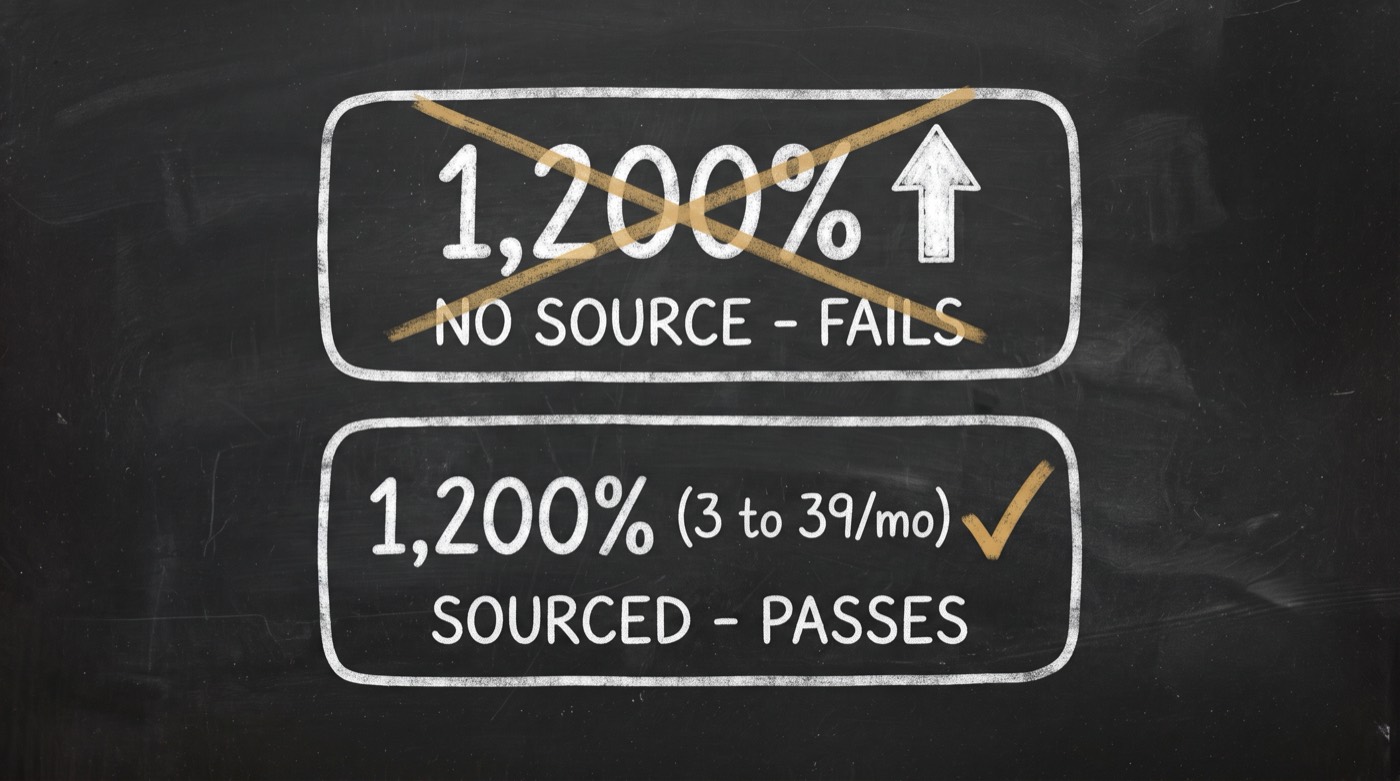
numbers   every figure cites a source
claims    "supported the REACH dossier"
approval  human moves the card, not the AI
output    page + PDF + gated form
renders   deep page, one-sheet, social cut
A shape a script checks for completeness, provenance a script checks number by number, and an approval gate the skill can read but never write itself.
Get the release before the interview, or the case study dies at sign-off with all its cost sunk.
What you actually get
A 6-part arc a script enforces
Situation, Challenge, Intervention, Result, Lessons, CTA — plus the two beats everyone drops: what they tried before, and the bumps along the way. A frictionless story reads as fabricated, so the script fails the build if either beat is missing.
Every number carries its source
No claim ships without an inline cite, and a percentage over 100% must show its baseline. “Leads up 1,200%” fails; “up 1,200% (3 to 39 a month)” passes — and reads more honest, because nobody trusts a four-digit percentage on its own.
The client approves before you publish
The release is secured before the interview; two sign-offs, internal then customer, before publish. The skill reads that gate and refuses to publish without it — it can never write its own approval.
The two disciplines that do the most work
One win, start to published
> "write up the Pamit engagement as a case study. it's a regulated-chemicals client."

  gate A  legal release ........ secure BEFORE the interview
  interview ................... capture: tried-before, the bumps, the result

  draft the arc
    situation .... regulated distributor, five markets
    challenge .... measurable pain, observed state
    intervention . in first-person, which skills + services
    result ....... every number cites a dashboard or approved snapshot
    lessons ...... what generalizes vs what was client-specific

  compliance lint ... "supported the REACH dossier"  PASS
                      "made them compliant"          BLOCKED
  metric provenance . 6/6 numbers sourced            PASS
  structure ......... 6/6 sections + both sub-beats  PASS

  gate B  a HUMAN moves the card to Approved (the skill cannot)
  publish ........... deep page + PDF + gated download form
  atomize ........... one-sheet for sales, short cut for social
If the before-number was never measured, it will not invent one. The honest branch is a study without a Result section, plus exactly what to instrument from now on.
How it works
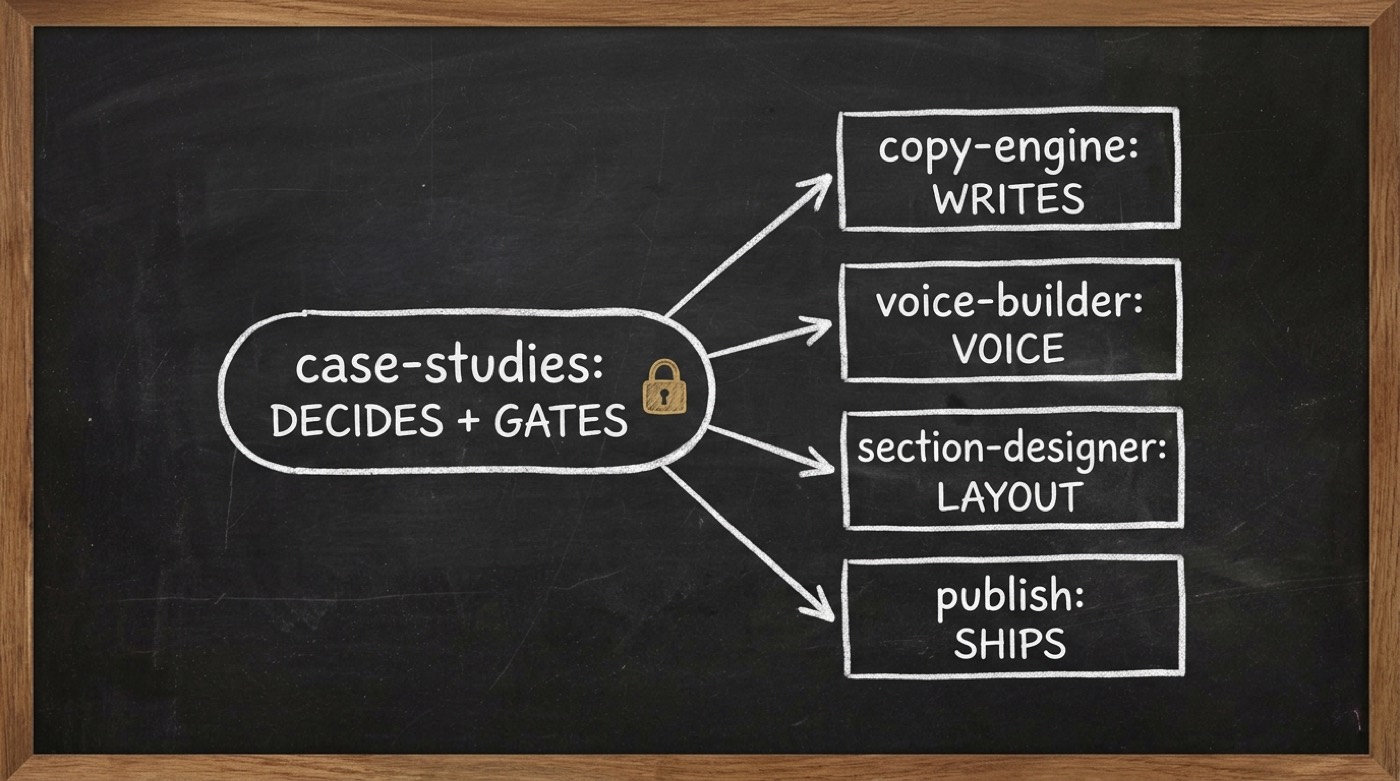
I built this by dogfooding the same stack I run for clients.
case-studies is one skill in the system behind Di-Atomic — the marketing & compliance agency that runs cognitoAI, SpiderIQ and OPVS. If you have real client wins stuck in transcripts and want them turned into published, client-approved, compliance-safe proof — in any of our seven languages, including regulated categories like REACH and CLP — that’s the day job. Let’s talk.
Book a 30-min call with Di-AtomicJust want the skill? Get @di-atomic/case-studies free.