

58% of my replies come from emails I almost didn't send
I almost didn't send them. That's the part that still gets me.
When I look at where my cold-email replies actually come from, most of them land on the emails I was one click away from skipping — the second, third, and fourth follow-ups. Not the first email I sweated over. The ones I nearly wrote off as "they're not interested."
The data backs it up, and it isn't close. Across 20 million emails, Woodpecker found that one follow-up lifts replies about 40% over a single send. Belkins measured reply rates climbing up to 49% after the first follow-up. Smartlead put a number on the part that matters most: 58% of positive replies arrive on follow-ups two through four.
So here's the thing I got wrong for years, and I think most people get wrong too.
The follow-up isn't the appendix. It's the campaign.
Most cold outreach looks like this: you write one careful email, you send it, and then — almost as an afterthought — you bolt on a couple of "just checking in" nudges. The first email gets all the attention. The follow-ups get a shrug.
That's backwards. If 58% of your replies live in follow-ups two through four, then the follow-up ladder is the campaign. The first email is just the door. The follow-ups are the conversation.
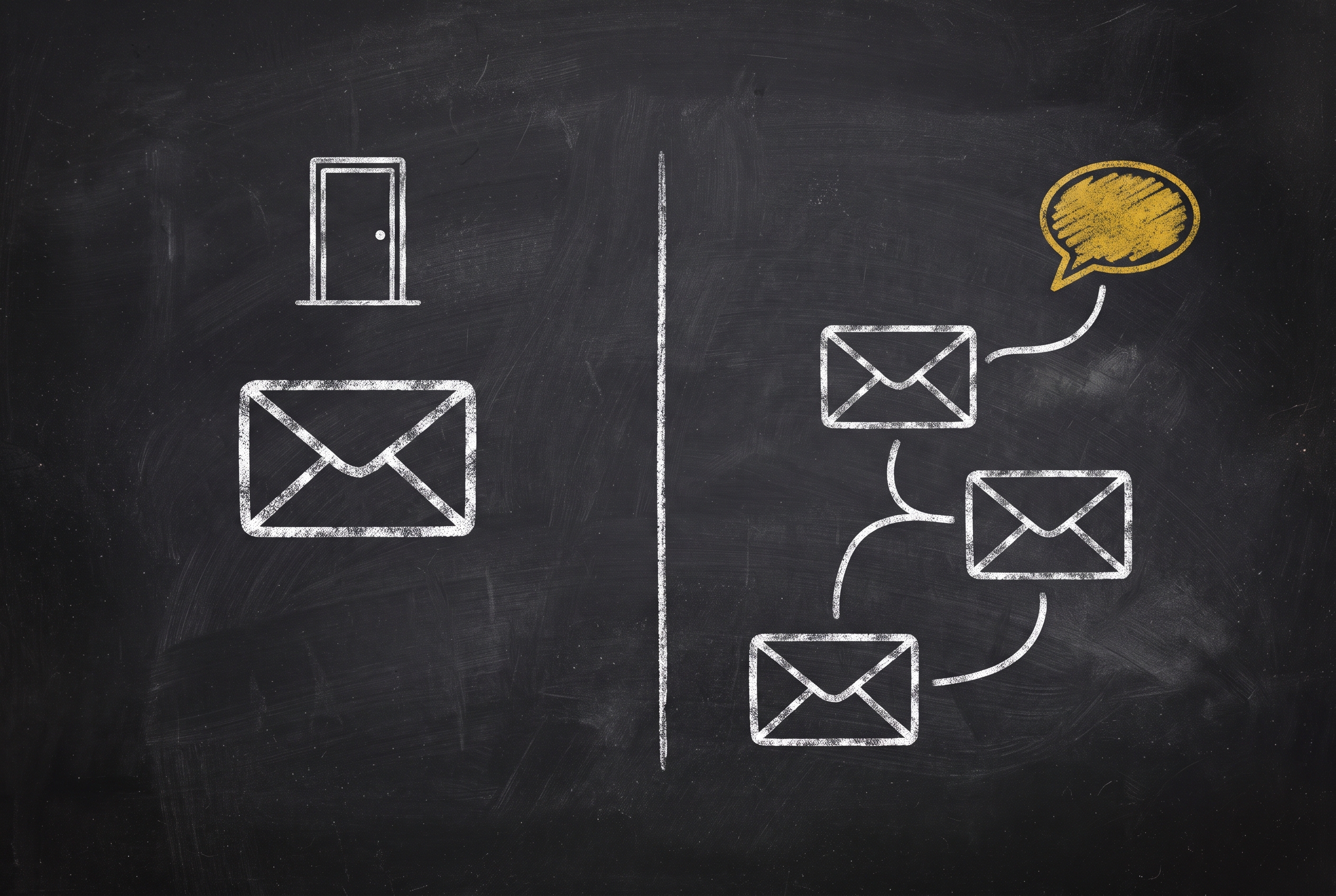
And here's the trap inside the trap: "just checking in" doesn't count. Resending the same pitch in slightly different words is not a follow-up — it's noise. Every rung of the ladder has to change the angle. A new pain. A new proof point. A give. A redirect — "if this isn't you, who should I be talking to?" Same message, louder, gets you the spam folder. Different angle, each time, gets you the reply.
What I built to stop getting this wrong
This is exactly the problem outbound-engine exists to fix. I built it as the cold-outreach brain — the part that decides how to write before it writes a word.
It works in one direction: decide, write, check, hand off.
Decide. It picks the copywriting framework that fits the buyer — one of fourteen — plus the tone, the call to action, and the personalization, and it tells you why.
Write. It drafts the whole ladder in that framework, with a built-in check that no two touches repeat the same angle, the same subject, or the same pain.
Check. Five scripts gate every email — subject line, length, spam triggers, sending-domain health, and whole-sequence variety. They pass or fail with numbers, so nothing ships on a hunch.
Hand off. It doesn't send. It writes and QAs, then delegates the actual send to the tool built for it. The brain stays a brain.
One more thing it enforces, because I learned it the hard way: the first email never gets a booking link. A soft "is this worth a look?" replies at about 4.2%. A calendar link in the first cold email replies at 1.4% — and it trips spam filters on the way down. You earn the booking link on a reply, not before.

What's new in 2.2.0
This release folded in field lessons from an agent I've had running live outreach, not theory from a swipe file. Three of them stuck.
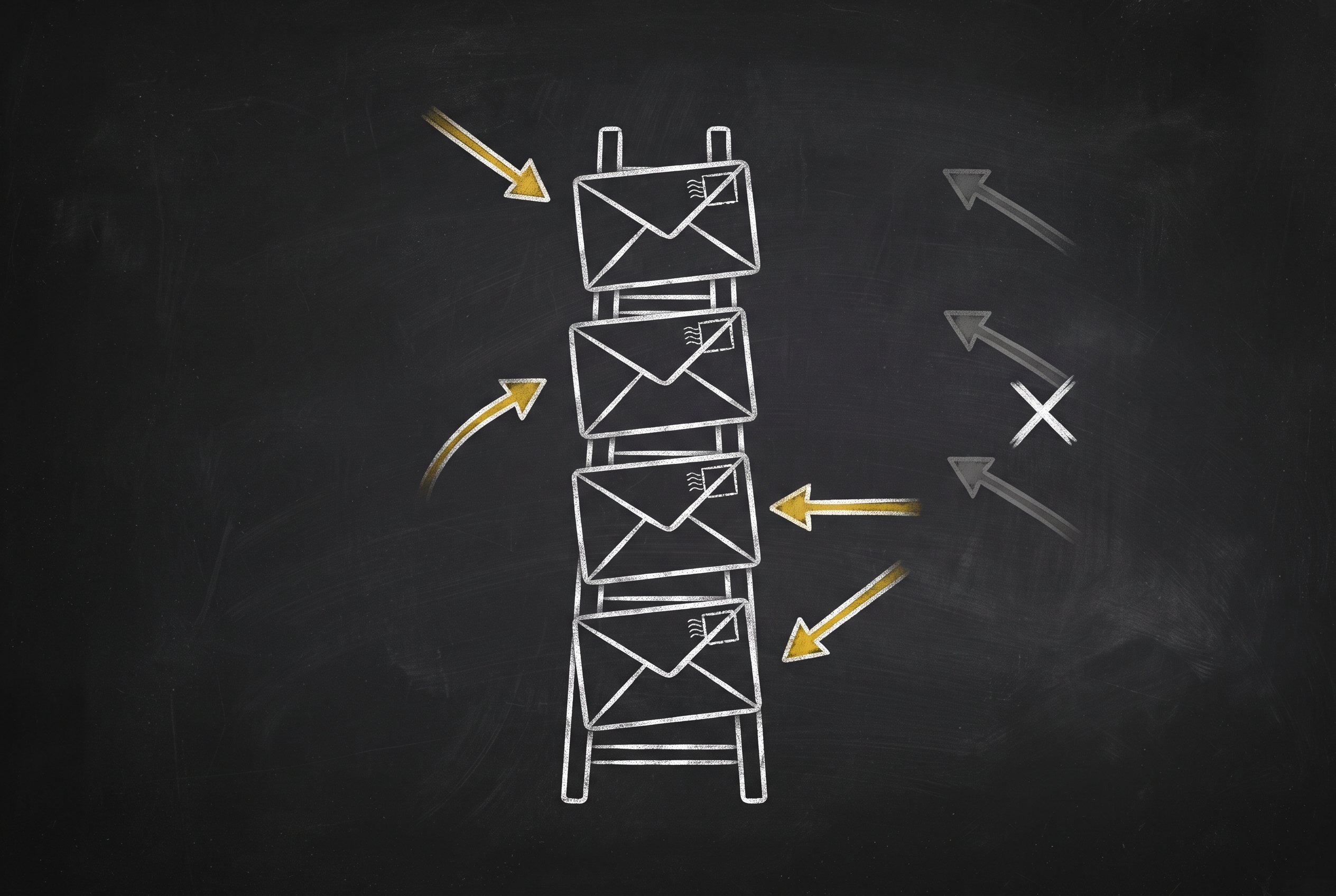
A sequence is a first email plus two to three timed follow-ups — different angle each. I made this the default shape, not an option you remember to turn on. If you ask for "a cold email," you get a short ladder and a note on why one-and-done leaves most of your replies unclaimed.
If a client hands you their old messages, those are the seed. Match their structure, tone, offers, and calls to action, and adapt from them. Don't invent a fresh voice and hope it lands — copy that doesn't sound like the client gets killed on sight. No examples? Then build from the voice profile. Either way, you start from something real.
Warmup traffic is never a real reply. The machine-to-machine mail your inboxes send each other to stay warm is not a prospect. Never count it in your reply rate, never let it advance a deal. It's a small thing that quietly wrecks your numbers if you miss it.
What this means for your next campaign
If you take one thing from this: stop pouring your energy into the first email and treating the follow-ups as a chore. Flip it. Plan the ladder first — three or four distinct angles, spaced out, ending in a clean break-up. Write the whole thing as one piece so the angles don't collide. Then send the first email knowing the replies are probably coming later, from the ones you almost didn't send.
You can always improve a number once you have it. You can't improve zero. The follow-up ladder is how you stop sending zero.
outbound-engine is live on the OPVS marketplace as @di-atomic/outbound-engine. Trigger it with "build a cold campaign for {ICP}" and it'll decide the framework, write the ladder, and QA every touch before you send.