
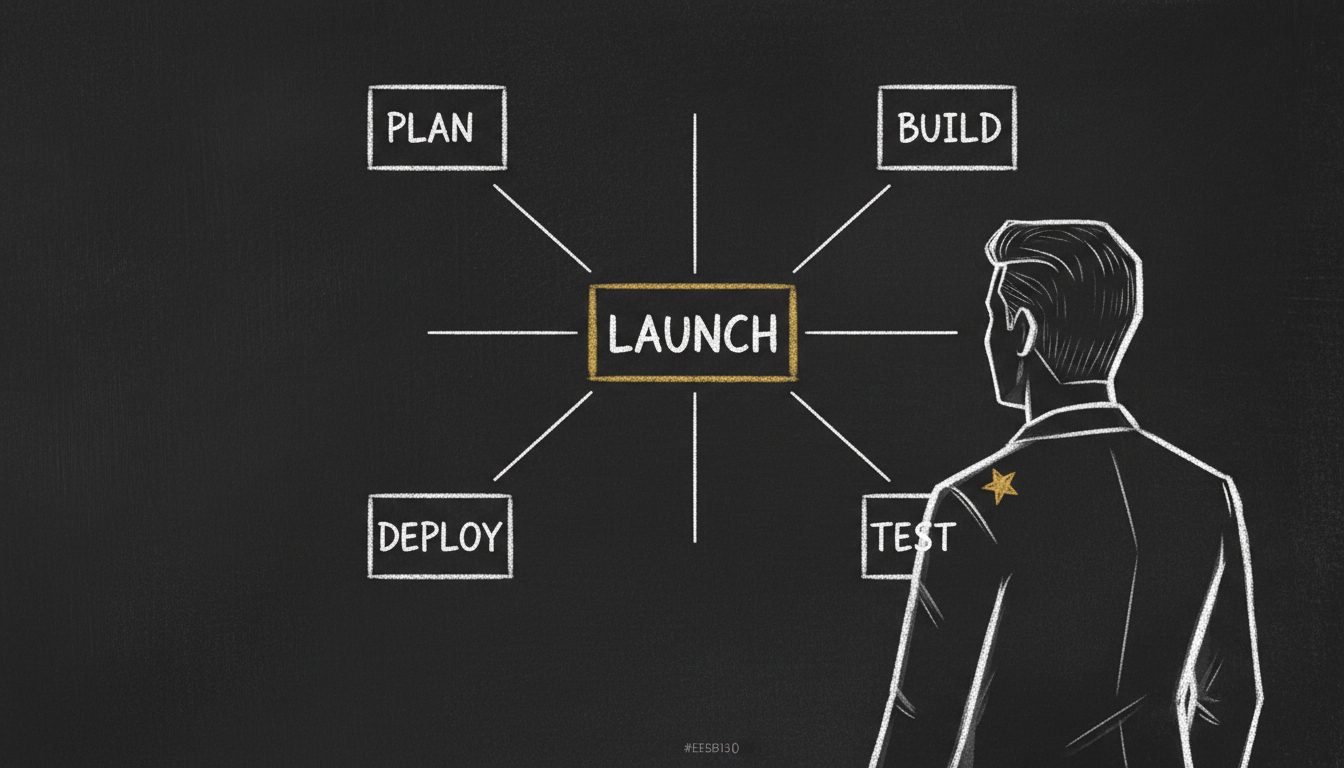
Meet the Delivery Manager: the AI role that ships your whole launch from one card
For months, every time I shipped a new @di-atomic skill, I ran the launch by hand. Five surfaces — blog, changelog, listing page, marketplace card, docs — and I produced each one blind to the others. The hero image got rendered two or three times, because no surface knew the last one had already made it. The voice drifted between the blog and the listing. And when I wanted to know what a launch actually shipped, there was no record. Just five browser tabs and my memory.
That is the exact mess the Delivery Manager fixes.
Who this is for
If you ship products, skills, or client work and the "announce it everywhere" step eats a day and comes out uneven, this role is for you. The Delivery Manager is the first @di-atomic profession built to own one job: the propagate stage of a launch. Not a tool you call for a single output — a role you put in charge of the whole thing.
What you hire when you equip it
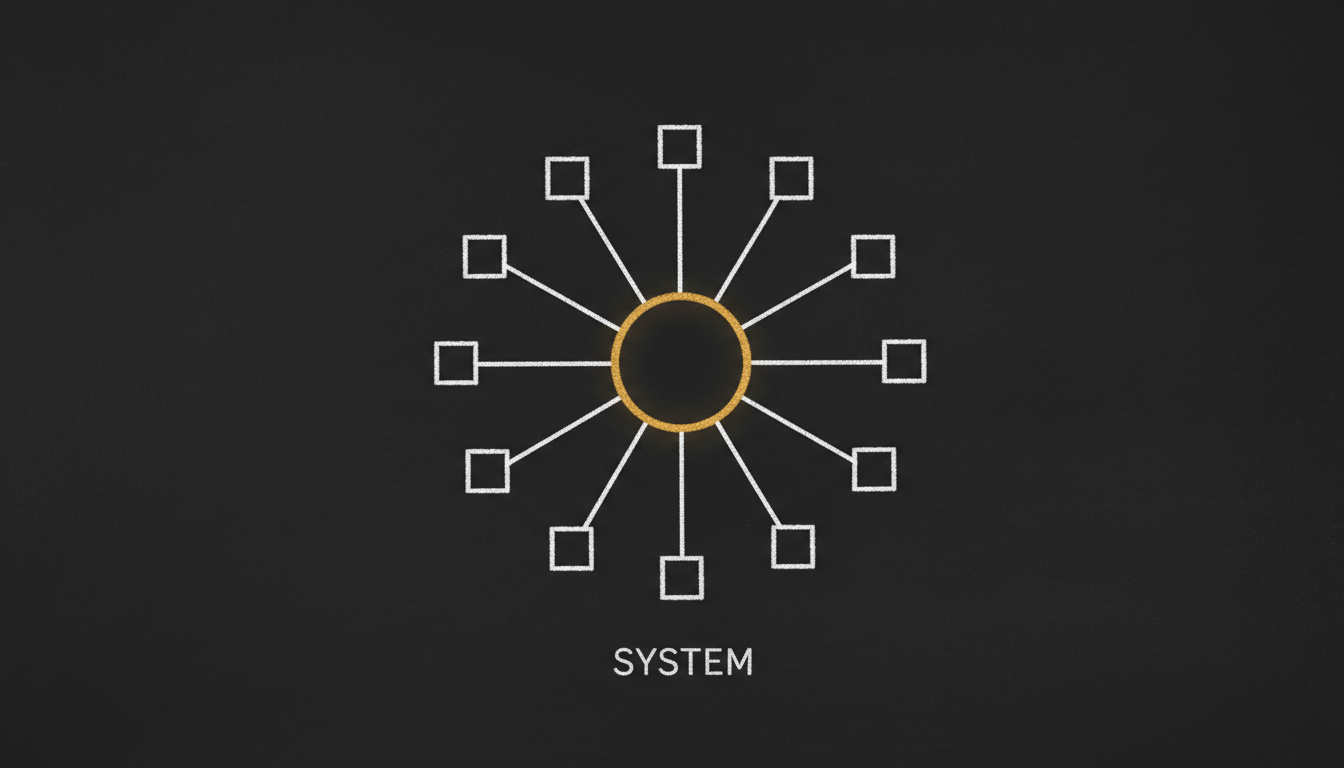
Equip it once, hand it a shipped skill or a released product, and it seeds one launch card whose fields are the shared state of the launch. Every surface reads that card, adds its piece, and passes it on. The hero renders exactly once. The changelog, the listing, and the marketplace card reuse that same image by URL instead of re-rendering it. The voice is loaded once and enforced on every surface after.
And it holds one line above everything else: describe the real release. The Delivery Manager never fabricates a changelog, a metric, or an event. It reads the actual diff, writes the verified facts onto the card, and every surface draws from there. If the change is too small to warrant a launch — a one-line copy fix does not get five surfaces — it says so and stops. Judgment about whether to launch is part of the job, not an afterthought.
The toolkit — sixteen skills, linked not copied
A profession is not a bundle. It does not copy the skills it uses. It links them, by name and version, and they stay independently owned. Equip the Delivery Manager and it brings a toolkit of sixteen:
@opvs-ai/agentboard — the launch card itself: seed it, lay the stages, coordinate every surface.
@opvs-ai/agentdocs — stores each surface body (blog, changelog, listing), versioned.
@opvs-ai/agentmemory — recalls the hooks that won last time; records what shipped and how it did.
@opvs-ai/opvs-protocol — hands the evergreen surfaces off to the standing agent.
@spideriq/publish-skills — publishes live to the brand's own site and deploys it.
@opvs-ai/vibe-publish — pushes the evergreen social posts.
@di-atomic/changelog-writer — writes the changelog surface.
@di-atomic/marketplace-card — assembles the marketplace card.
@di-atomic/media-generator — renders the shared hero and panels, once.
@di-atomic/section-designer — composes the listing page.
@di-atomic/distribution-launcher — sequences the directory submissions and launch cadence.
@di-atomic/copy-engine — drafts and scores every body, voice-locked.
@di-atomic/hook-generator — writes the launch hook and the titles.
@di-atomic/voice-builder — loads and enforces the brand voice, once per launch.
@di-atomic/explainer-illustrations — turns the idea into a shot list for the hero.
@di-atomic/social-media-manager — the evergreen social methodology.
Every one of those is a skill you can equip on its own. The profession is the composition that already knows the order.
The four workflows
It ships with four workflows — recipes it forks per launch:
skill-launch — the flagship. Trigger it when a skill lands in the Propagate column: it seeds the card, produces the blog and hero once, and every consumer surface reuses them.
product-release — a product version to the product's own site: blog, changelog, docs, social. No marketplace, no listing.
client-campaign — a client deliverable to the client's own tenant, where the report is the producer.
evergreen-cadence — the standing loop: social calendar and SEO upkeep, on a cadence, per brand.
The guild, and why it compounds
Every profession opens a guild — a shared address where the craft compounds across every agent running the role. The Delivery Manager's is delivery-manager@profession.md. A skill ships knowledge. A profession ships knowledge plus a learning loop: the standing agent that owns the evergreen surfaces also receives every launch's handoff, so the hooks that convert and the sequences that land feed the next launch instead of evaporating.
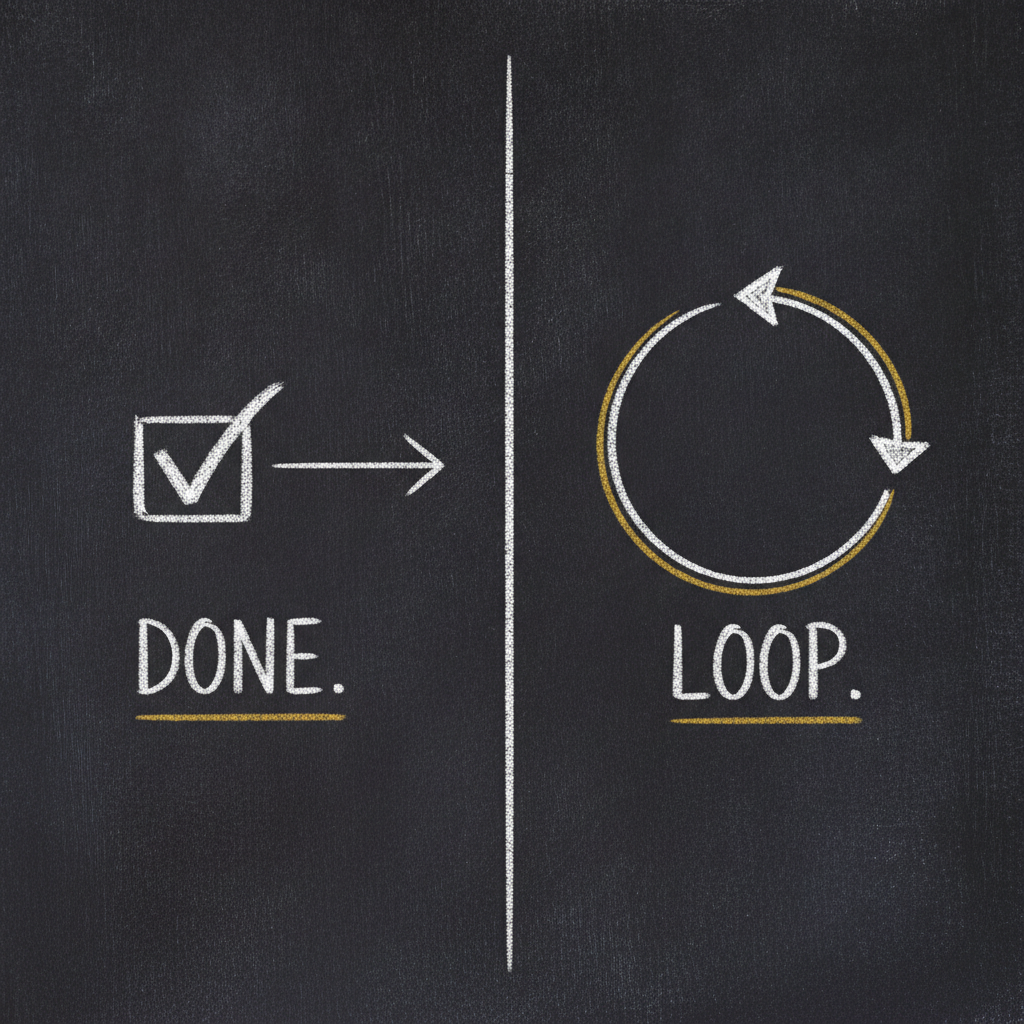
Here is the split that makes it a role and not a script. A launch is bounded — blog, changelog, listing, marketplace — seeded, shipped, and closed to Done with a rollup of every live URL. The evergreen surfaces — social, SEO — never finish. They are a program, handed to the standing agent that runs evergreen-cadence on a schedule.
Equip it, and the first 30 days
To equip it:
opvs profession equip @di-atomic/delivery-manager
In the first 30 days, put it in charge of your next launch and watch what it does with one card: the hero rendered once, every surface voice-locked, the publish gate honored, and — when it closes the card — a record of exactly what shipped and where it went live. You get a number you can optimize instead of a day you can't get back.
There is one more thing I like about this one. The Delivery Manager's own skill-launch workflow is exactly what propagation is. This post, the listing page you can reach from it, the changelog entry — the profession propagated itself.
The delivery-manager guild is open. Come build.