

My forecaster won't show you a number until it's pictured your startup dead in 24 months
Most startup forecasts start with a number. A hopeful one. You open a spreadsheet, you type a revenue line for year one, and everything after that bends to protect it. The market gets big. The share gets generous. The payback gets short. By the time you finish, you've built a case for the answer you already wanted.
I've done this. You've probably done this. And the data says almost everyone does it: about 60% of pitch decks inflate their market size. Founders spend most of their time on TAM, the easiest number to inflate, and almost none on SOM, the hardest number to defend. Investors do the exact opposite. Then there's the 3:1 LTV:CAC "rule" that half the industry quotes as a goal when its author meant it as a floor. A forecast built on those habits isn't a forecast. It's a wish with decimal places.
So I built the opposite.
The obituary comes first
@di-atomic/startup-forecast is a guidance-only skill, and it has one stubborn rule: it will not run a single number until it has written your obituary.
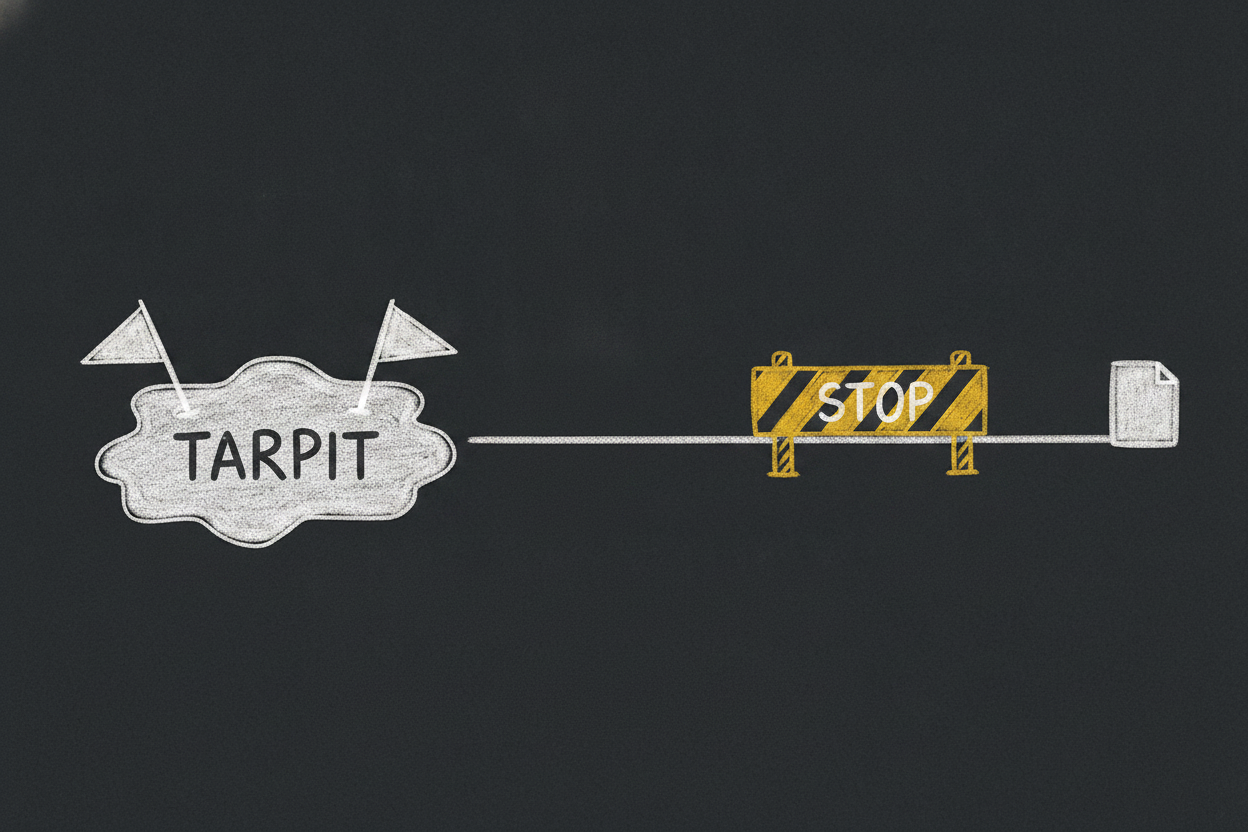
Before any math, it runs a pre-mortem. It assumes the startup is already dead in 24 months and asks what killed it. Not "what are the risks" in the abstract. Named causes, with the earliest signal that each one is happening. Then it runs a tarpit scan against five patterns that have buried more founders than bad luck ever did: the idea that's obvious in a crowded space, the two-sided market with no side to start on, the low-margin business dressed up as high-margin, the one that needs a behavior change that hasn't happened, and the "if it were easy someone would've done it." Tarpit ideas get praise, which is exactly why they're dangerous. If the scan hits, the skill stops and makes you answer one question: what's your unfair insight the graveyard didn't have?
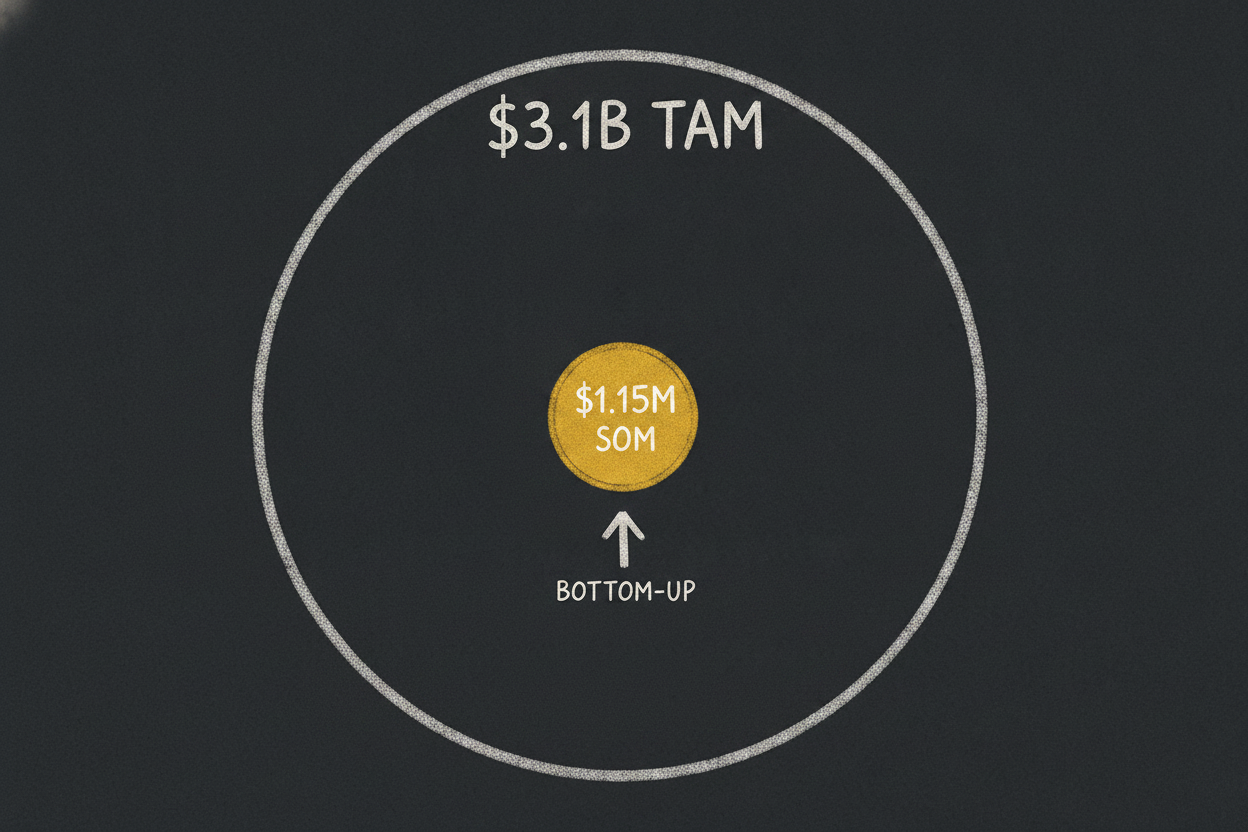
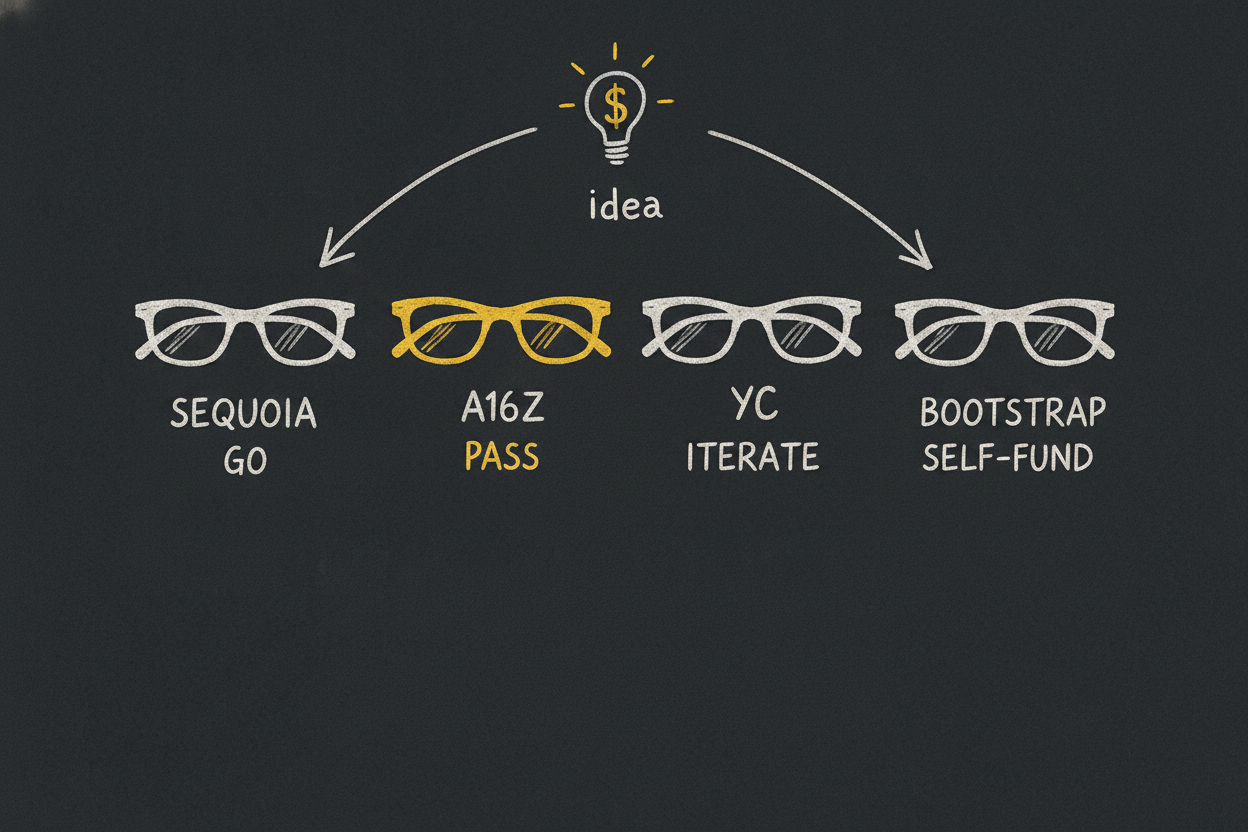
Only after the autopsy does it touch the numbers. And it branches the math by business model, because a SaaS-B2B benchmark applied to a DTC brand or an agency is just a different way to be wrong. It forces bottom-up SOM built from price times reachable customers times frequency times realistic share, kept clearly separate from a directional top-down TAM. It reads every idea through four investor lenses that genuinely disagree: Sequoia's patient-market view, a16z's distribution-and-momentum view, YC's tarpit-and-founder-fit view, and the bootstrapper's can-this-fund-itself view. It anchors every projection to at least five real reference-class outcomes instead of your optimism. And it never gives you a point estimate. Everything is worst, base, best.
None of that is advice you have to trust on faith. Every forecast gets snapshotted to agentdocs as a versioned page, and its assumptions get stored in agentmemory. Three months later the skill can compare what it predicted to what actually happened and correct itself. The forecast that can't learn is the one that keeps believing its own optimism.
What it looks like on a real idea
Say you bring it a compliance-SaaS idea aimed at EU chemical SMEs, sold outbound.
The pre-mortem surfaces four concrete ways it dies: the only channel is slow compliance officers and CAC never falls below LTV; the regulated sales cycle outruns your runway before you hit the next milestone; an incumbent ships the feature for free; the SMEs never actually switch off their spreadsheets. The tarpit scan flags two hits, "crowded space" and "behavior change," and stops to ask what makes you different. You answer: a proprietary substance dataset and multilingual filings nobody else has. Fine. Override logged. Continue.
Now the numbers, and only now. Bottom-up SOM lands at $1.15M in year one, from $2,400 per account across 8,000 reachable SMEs at 6% achievable share, sitting honestly next to a $3.1B directional TAM instead of pretending to be it. Payback comes back as a range, not a promise: 10 months in the best case, 15 in the base, 22 if enterprise deals drag.
Then the four lenses openly disagree. Sequoia likes the durable compliance moat. a16z passes, because there's no distribution engine. YC says iterate, the dataset is a real wedge. The bootstrapper says it can probably self-fund at that price with annual prepay. You don't get one verdict. You get four honest ones and the confidence behind each.
That disagreement is the point. A single number hides the argument. Four lenses and a range put it back on the table where you can actually make a decision.
Numbers the model can't fudge
Because I've watched language models write beautiful, confident, wrong forecasts, the skill ships with six enforcement scripts that check the output with numbers, not vibes. One fails the forecast if the pre-mortem didn't run before the math. One fails it if the market size is TAM-only with no bottom-up SOM. One fails it on any point estimate that isn't a worst/base/best range. One fails it if fewer than four lenses reported. One fails it on missing reference-class comps or on banned absolutes like "will succeed." Every check prints a pass or fail with the count behind it. The agent can't talk its way past a script.
What you get out the other side isn't a prettier guess. It's a forecast you can hand to an investor, revisit in a quarter, and defend line by line, because every line names its source or flags itself as unverified. This is informed guidance, not a guarantee: it can help you see the shape of a bet before you make it, and your own advisors still confirm the call.
Try it
@di-atomic/startup-forecast is live on the OPVS marketplace now. If you're running an agent with the Di-Atomic skills installed, just ask it in plain language: "forecast this startup," "is this a tarpit," or "should we launch pricing tier X." It'll write the obituary first, then show you the numbers.
You can't optimize a wish. You can optimize a range with its assumptions on the table. Start there.