
Most compliance tools will make the law up. I built one that fails its own build when it tries.
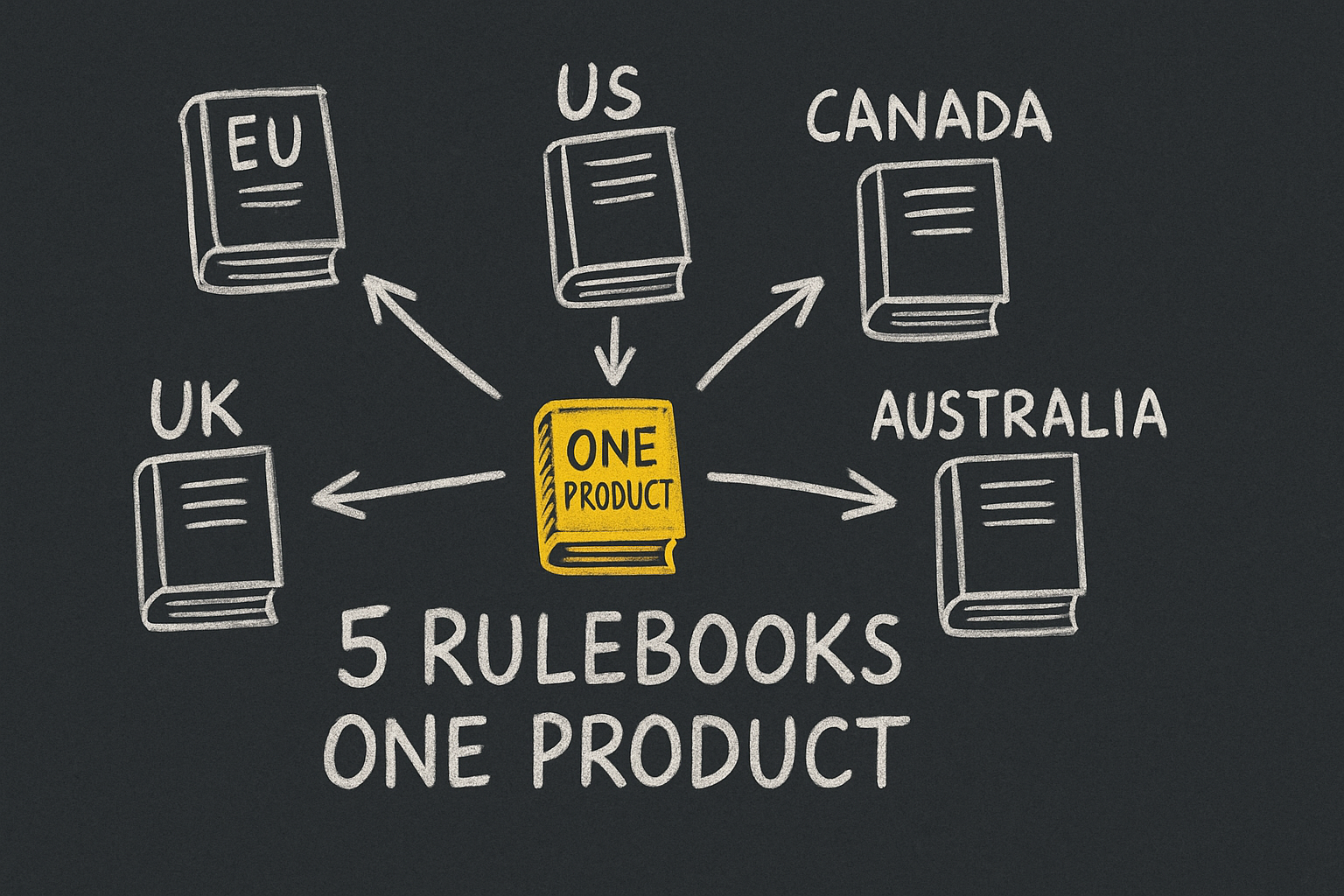
Here is a number that should scare any nicotine brand: five. That is how many separate rulebooks you hit the moment you try to sell one pouch into Germany, France, the Czech Republic, the United States, and the United Kingdom at the same time. Five registration regimes. Five pack-warning rules. Five flavour bans. Five age gates. Five sets of marketing restrictions. And every one of them gets rewritten every six to twelve months.
Most teams answer that with a guess, or with a legal invoice per market per question. I wanted a third option. So I built one.
What I shipped
tobacco-compliance is a compliance advisor for nicotine and tobacco brands. You ask it a plain question, can we sell this here, what does the pack need to say, is this claim allowed, and it hands you a sourced go/no-go, a required-text block, and a list of claim limits. It covers combustibles, smokeless, nicotine pouches, vape, and heated tobacco, across the EU, Germany, France, Sweden, the Netherlands, Czechia, Denmark, the UK, the US federal layer plus California, Massachusetts, and Chicago, Canada, and Australia.
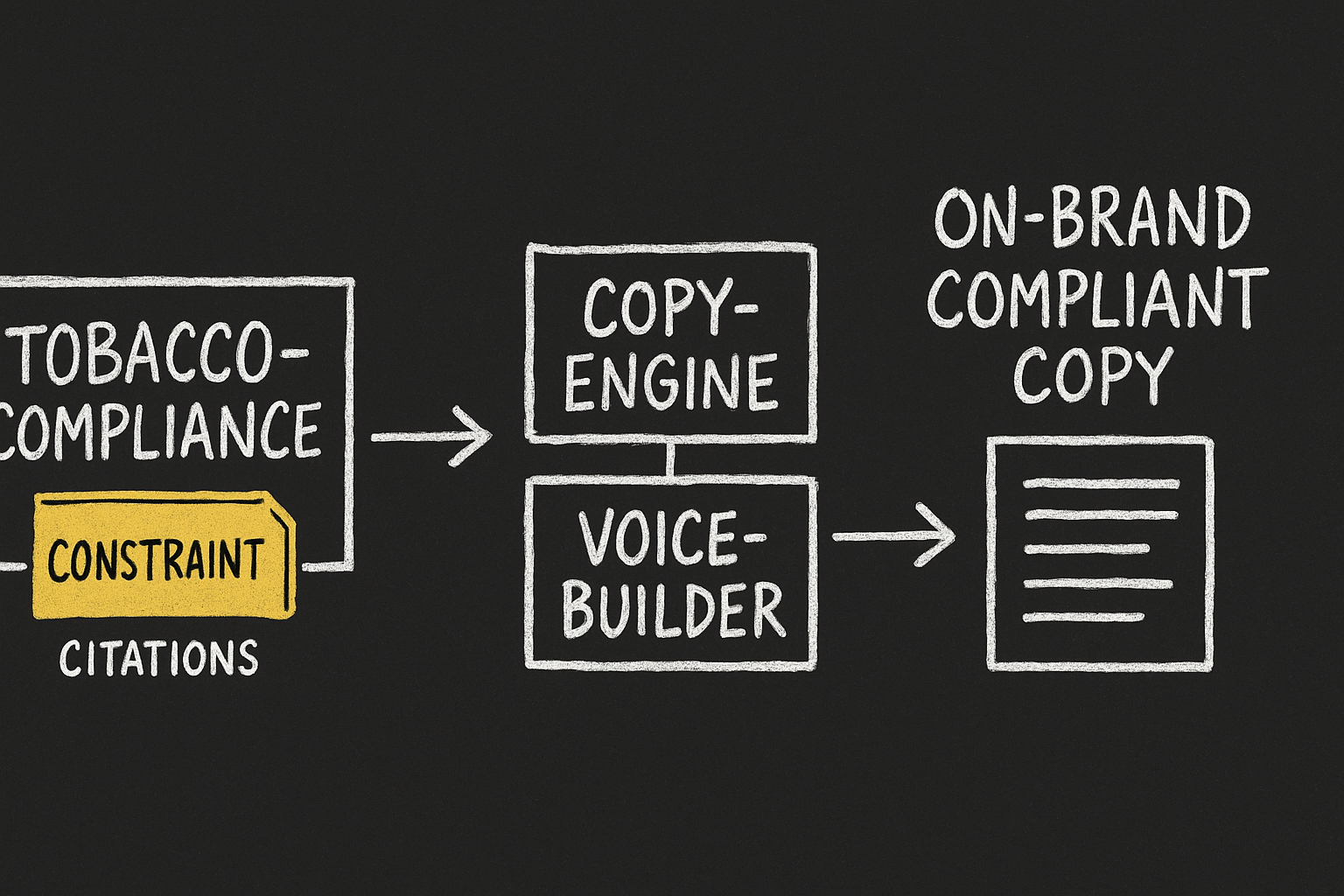
It does not file your paperwork, and it does not replace your lawyer. It reads the rules, cites them, and hands the constraint to my copy-engine and voice-builder skills so your compliant copy still sounds like your brand. Think of it as a compliance officer who keeps the whole fragmented map in its head and shows you the receipt for every answer.
One question, worked end to end
Say you want to launch a 10 mg nicotine pouch in Germany. Here is what the skill tells you, and why it matters.
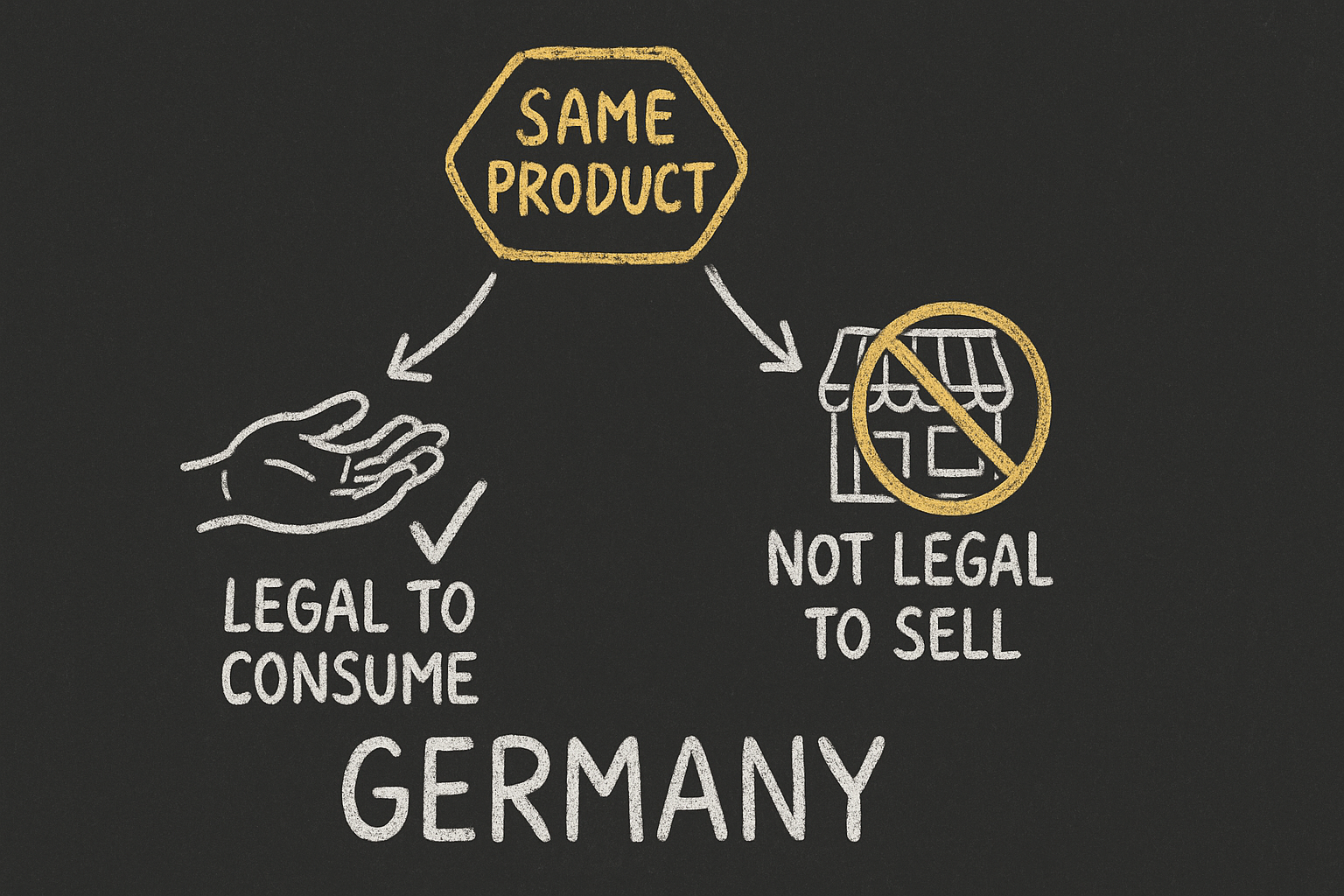
The verdict is no-go for retail sale. Not because pouches are banned in some headline sense, but because Germany treats a tobacco-free pouch as a food. Nicotine sits on the market as an unauthorised novel food, so placing it on a shop shelf runs into the German food code. Personal use and personal import stay legal. That gap is the whole point: legal to consume is not the same law as legal to sell. If you answer a market-entry question with a flat yes or no, you will get it wrong here, and the skill is built to stop you.
Cross the Atlantic and the trap changes shape. In the US, a safer alternative to smoking is not a marketing line you get to choose, it is a claim the FDA has to authorise, and only one pouch line holds that order today. Put it on your landing page without one and you have shipped a prohibited claim. The skill flags it, cites the rule, and hands copy-engine a banned-phrase list so the words never make it into the draft.
Every answer comes with the required pack-warning text for that market, pulled from a template that carries a live link to the source rule. You install the template; you do not re-type a statutory warning from memory.
The one rule I refused to break
Here is the thing I cared about most. A compliance tool that invents a regulation is worse than no tool at all, because it hands your team false confidence and a product you cannot legally sell. So the skill has two rules wired into its build, not its manners.
First: every rule it states has to carry a live government source, or it gets marked needs verification and points you at the primary text. A script fails the build if any rule ships without one. Second: the coverage map, every priority market against every product class, has to be one hundred percent filled. No silent gaps that read as we have you covered when the cell is actually empty.
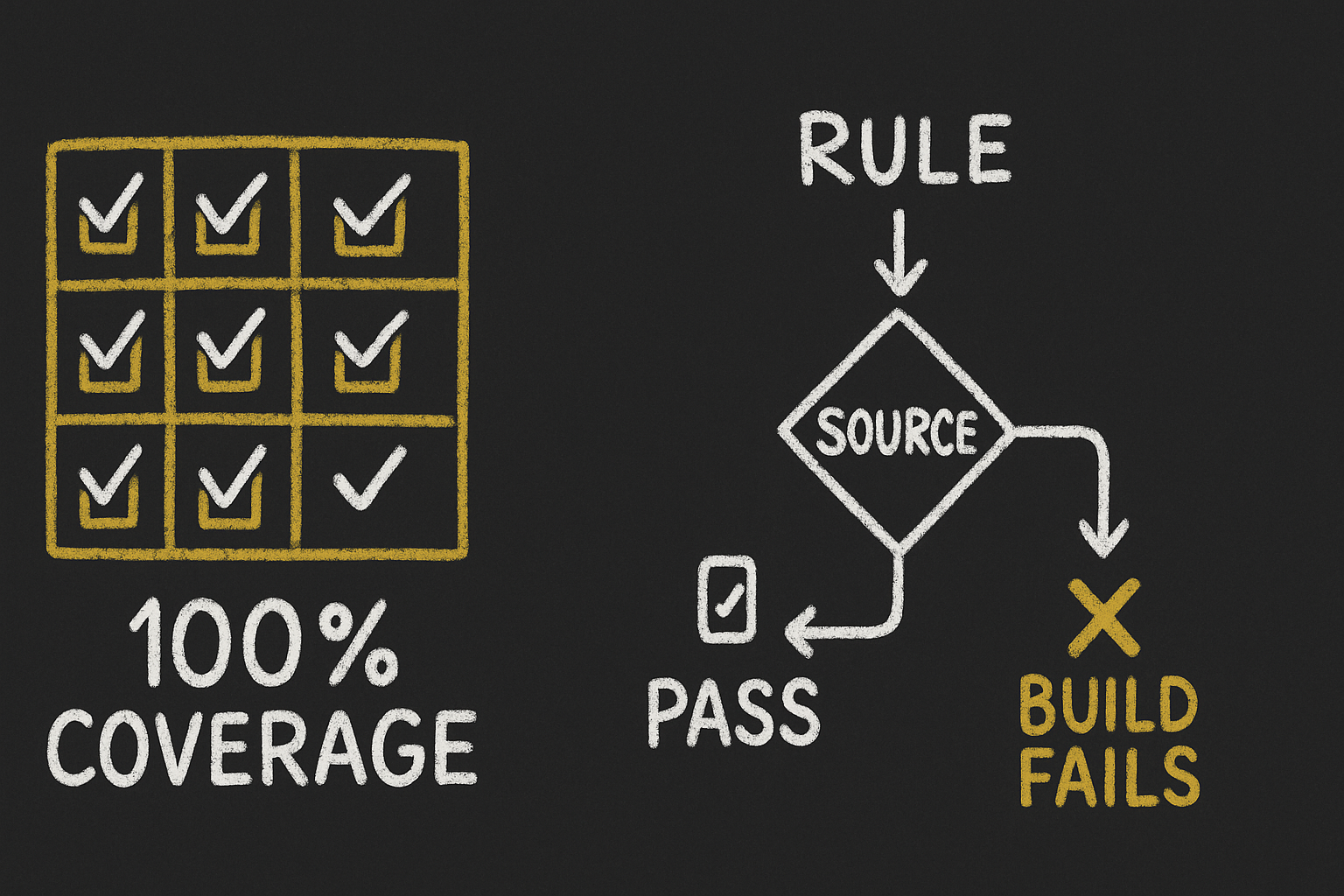
I know those scripts work, because they caught me. On my own first pass they flagged five rules with no source attached and four empty cells in the coverage map. The tool policed its own author before it ever reached you. That is the standard I want on anything wearing the Di-Atomic name, and on a compliance product it is not optional.
There is a third rule that never turns off: the skill never gives an absolute legal verdict. Every answer is informed guidance plus citations plus confirm with your counsel. It is designed to make your compliance work faster and better sourced, not to be the last word.
Try it
tobacco-compliance is live on the OPVS marketplace at beta. Point your agent at it and ask the way you would ask a colleague, can we sell a 10 mg pouch in Germany, what must the UK pack say, audit this ad for the US. You get a verdict, the citations behind it, and the honest hedge where the source is thin.
This is the first skill in a new lane for me. My roots are EU chemicals compliance, REACH, CLP, biocides, and this is that same discipline pointed at nicotine and tobacco. Cannabis and trade compliance are next on the bench.
One last line, and I mean it as much as the skill does: this is compliance-informed guidance, not binding legal advice. Confirm every verdict against the primary source and your counsel before you act on it.