
Most pricing advice starts at the number. This one refuses to.
I audited 48 public pricing skills before building this. Not one ships an enforcement script, an evidence registry, or a learnings set — and two widely-installed ones give opposite instructions on the 10x rule while citing nothing. pricing-strategist starts at the service, names the game before it names a figure, and makes every number carry the source its class requires.
For founders and operators setting or moving a price, and agencies pricing a service line — anyone who needs a defensible number rather than the one they already had in mind.
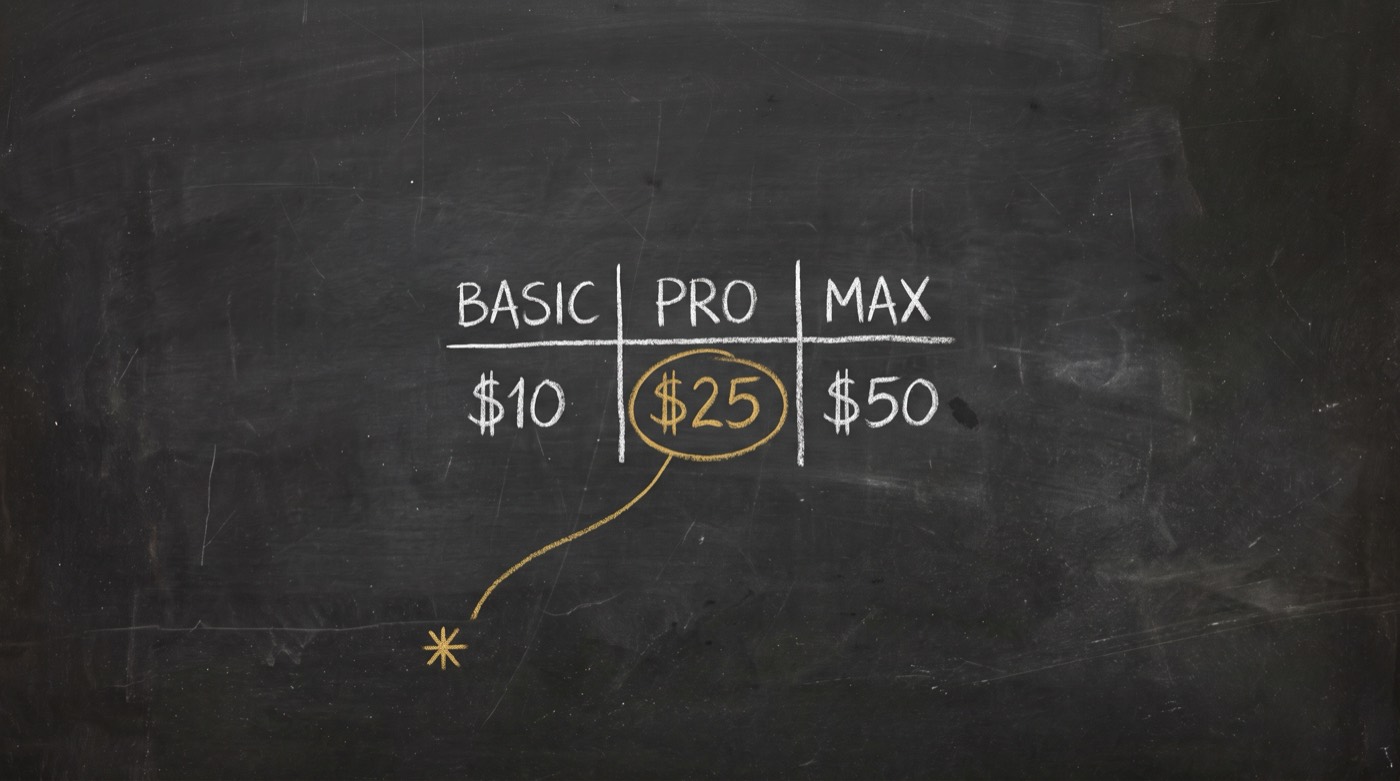
opvs-skills install @di-atomic/pricing-strategistThen say: “what should I charge for this” or “should I raise my price?”.
Why the number you land on is usually a guess
look at two competitors
add up the costs, add a margin
pick a round number that feels right

→ what game are we even playing?
→ what are we charging per?
→ is 10x the value good or bad?
   (two skills say opposite things)
→ what happens to existing customers?

(ship it and hope)
Cost-plus feels rigorous and reliably underprices. The value ratio everyone quotes rests on your buyer’s estimate of savings they have not realised yet. Nothing here is checkable.
game     skim | neutral | penetrate, argued
metric   "we charge per ___", fenced
signal   20-25% refuse on price
numbers  each one classed + sourced
cost     a floor, never the method
migrate  every cohort has a next state
output   tier table + per-row confidence
handoff  named tiers to Paddle/Stripe
A declared strategy, a metric you can count, and five scripts that fail the work rather than flatter it. Cost-plus is a hard FAIL, not a warning.
A number without a declared game is a guess wearing a table.
What you actually get
Every number carries its source, including mine
A script classifies each numeric claim as a market benchmark, which needs a public URL, or a brand fact, which needs a document, a version and a date. Presenting one as the other fails in either direction. It runs on its own output, not just on what you bring it.
The primary check is one you can observe
You are correctly priced when roughly 20 to 25 percent of prospects refuse on price — corroborated by two authorities who disagree about nearly everything else. That is a count from your own pipeline. If every deal closes on the first call, you are too cheap, and it feels like winning.
It tells you the 10x rule is folklore
Asserted by every practitioner source that repeats it, attributed by none, and absent from the willingness-to-pay literature. Two widely-installed pricing skills use it to mean opposite things. It ships labelled, never as a threshold.
The two disciplines that do the most work
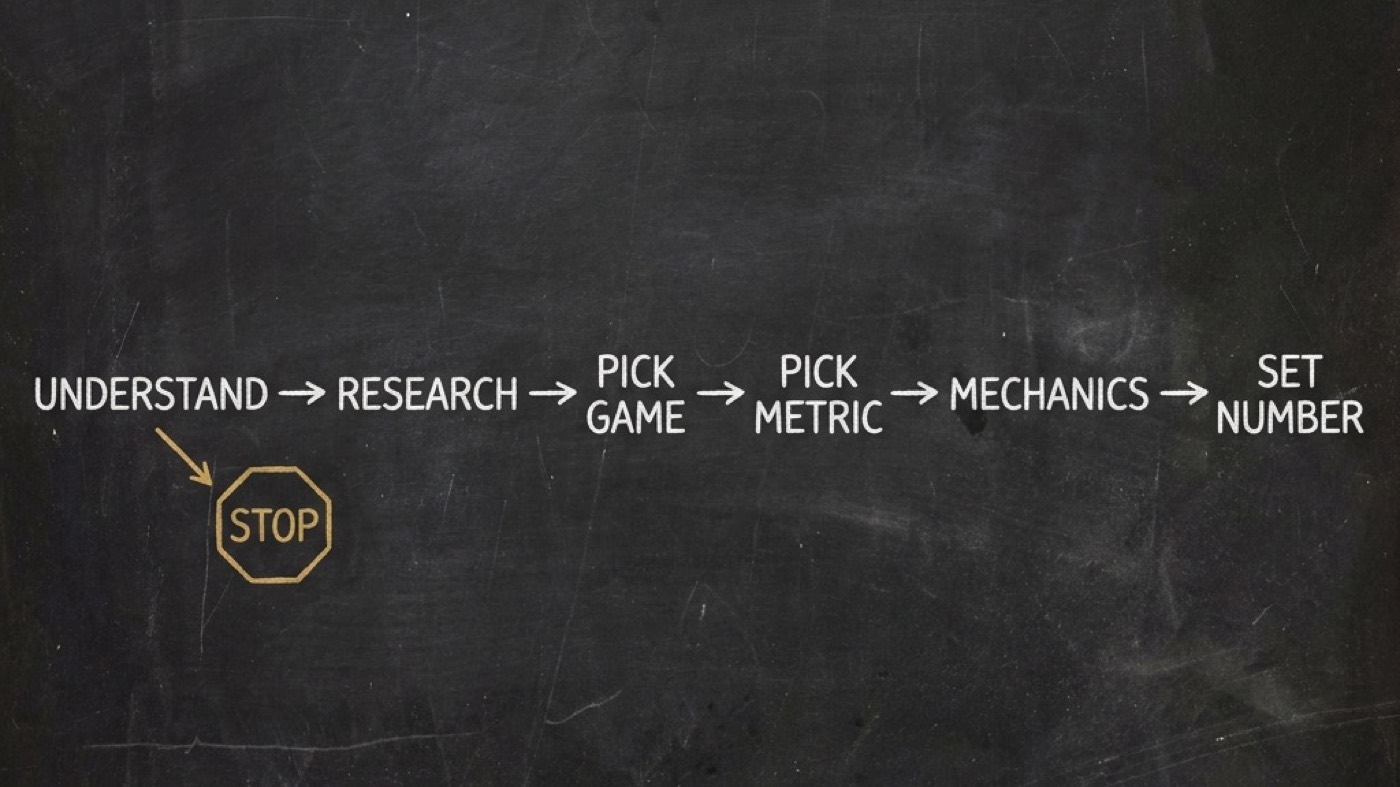
One service, start to a defensible number
> "what should I charge for SpiderIQ?"

  understand ..... metering-shaped, real COGS
                   retention UNKNOWN → short-circuit fires
                   (overridden deliberately, and recorded)

  research ....... re-captured five competitors live
                   Outscraper  directionally right
                   Clay        WRONG on every tier
                   Firecrawl   absent from my notes entirely
                   Apollo      correct, partial
                   RocketReach unverified, stays unverified

  pick game ...... skim on enrichment, neutral on volume
  pick metric .... per verified record, hybrid
  mechanics ...... caps, at-limit behaviour, grandfathering
  set number ..... tier table, every row LOW confidence

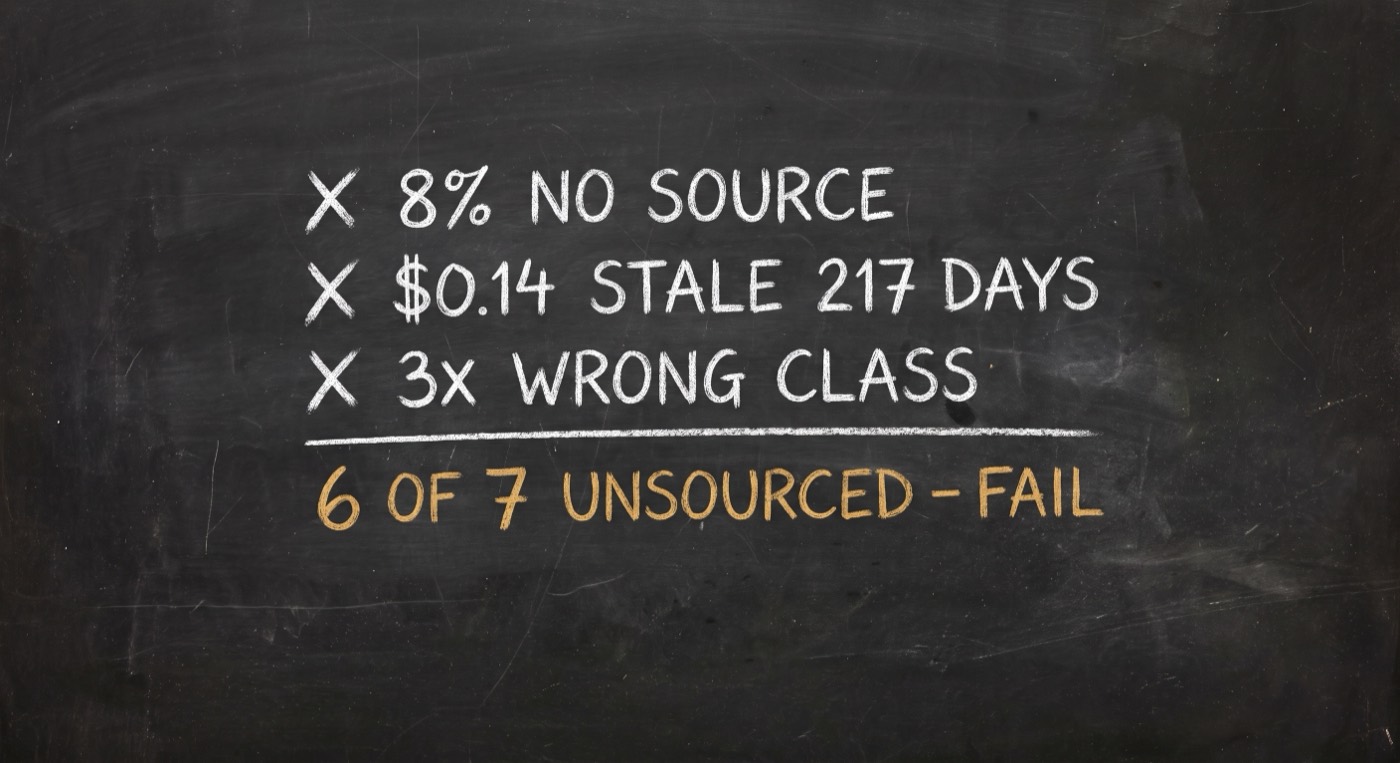
  verify-claim-provenance   36 unsourced ... FAIL
                            11 ............. FAIL
                             7 ............. FAIL
                             0 ............. PASS
  verify-value-ratio        0 fail, 1 warn .. PASS
  verify-tier-migration     3 cohorts, 0 gaps PASS
Getting from 36 to 0 fixed two script bugs and four defects in the memo — including a reference inside the skill that asserted two unsourced thresholds as though they were benchmarks. That is the exact defect this skill exists to catch, found inside the skill, because the gate demanded a URL.
How it works
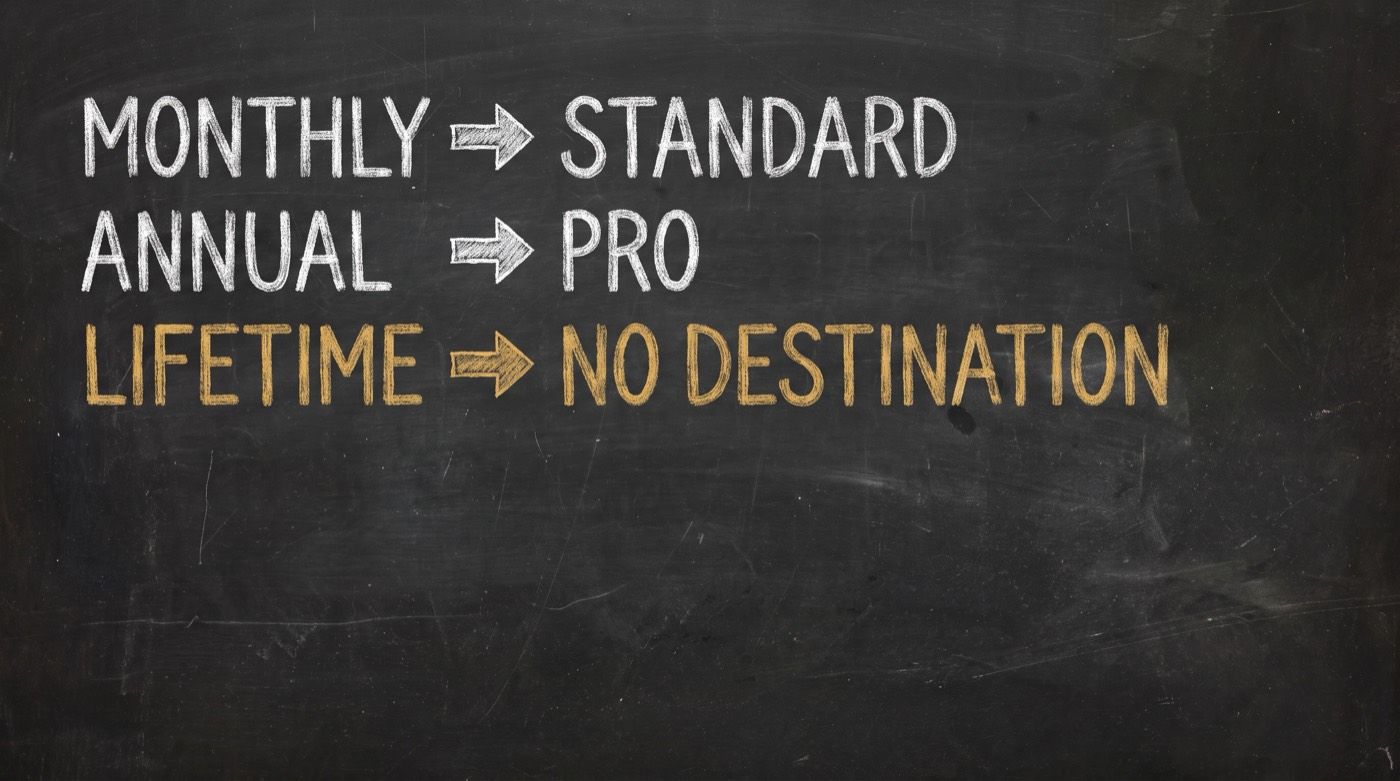
I built this by pointing it at my own pricing first.
pricing-strategist is one skill in the system behind Di-Atomic — the marketing & compliance agency that runs cognitoAI, SpiderIQ and OPVS. If you are sitting on a price you picked a year ago and cannot defend today, in any of our seven languages and including regulated categories, that is the day job. Let’s talk.
Book a 30-min call with Di-AtomicJust want the skill? Get @di-atomic/pricing-strategist free.