
Copy that passes every check and still reads cold
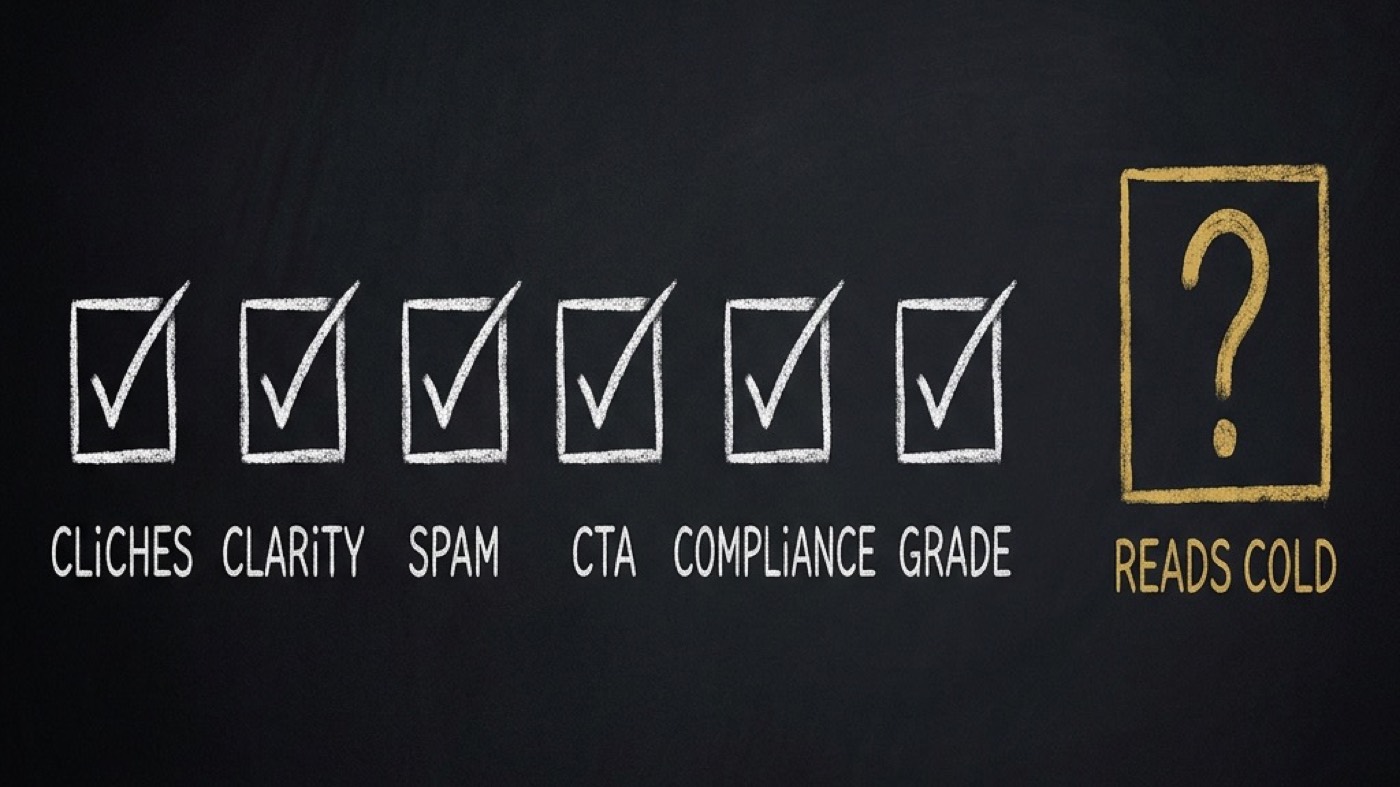
Clarity, cliches, spam words, CTA strength, compliance. Six gates can all report PASS on a piece nobody wants to finish, because none of them measure whether it sounds like a person talking. v0.6.0 added the register where the writer is the hero, the method behind it, and four numbers that say whether a draft got there. v0.7.0 adds the words you hear: video scripts, timed beat by beat.
For founders writing their own origin story, for anyone whose launch post reads like a memo, for teams whose copy review is one person saying it feels off and nobody able to say why, and for anyone whose voiceover runs past the picture.
opvs-skills install @di-atomic/copy-engineThen say: “tell my founder story”, “write the launch article”, “does this sound like AI wrote it”, or “write the script for my demo video”.
Same request, two very different answers
returns a competent essay.

  I always loved building things
  so I started a company
  it was hard
  now we help customers

reads fine. moves nobody.
you cannot say why.
It is grammatical, on topic, and forgettable. There is no way to review it except by feel, and feel is exactly what fails you on your own writing. You ship it, it underperforms, and the next draft is a coin flip.
asks you fourteen questions.

  the struggle you would
    rather not admit
  the false belief fighting you
  the moment it broke
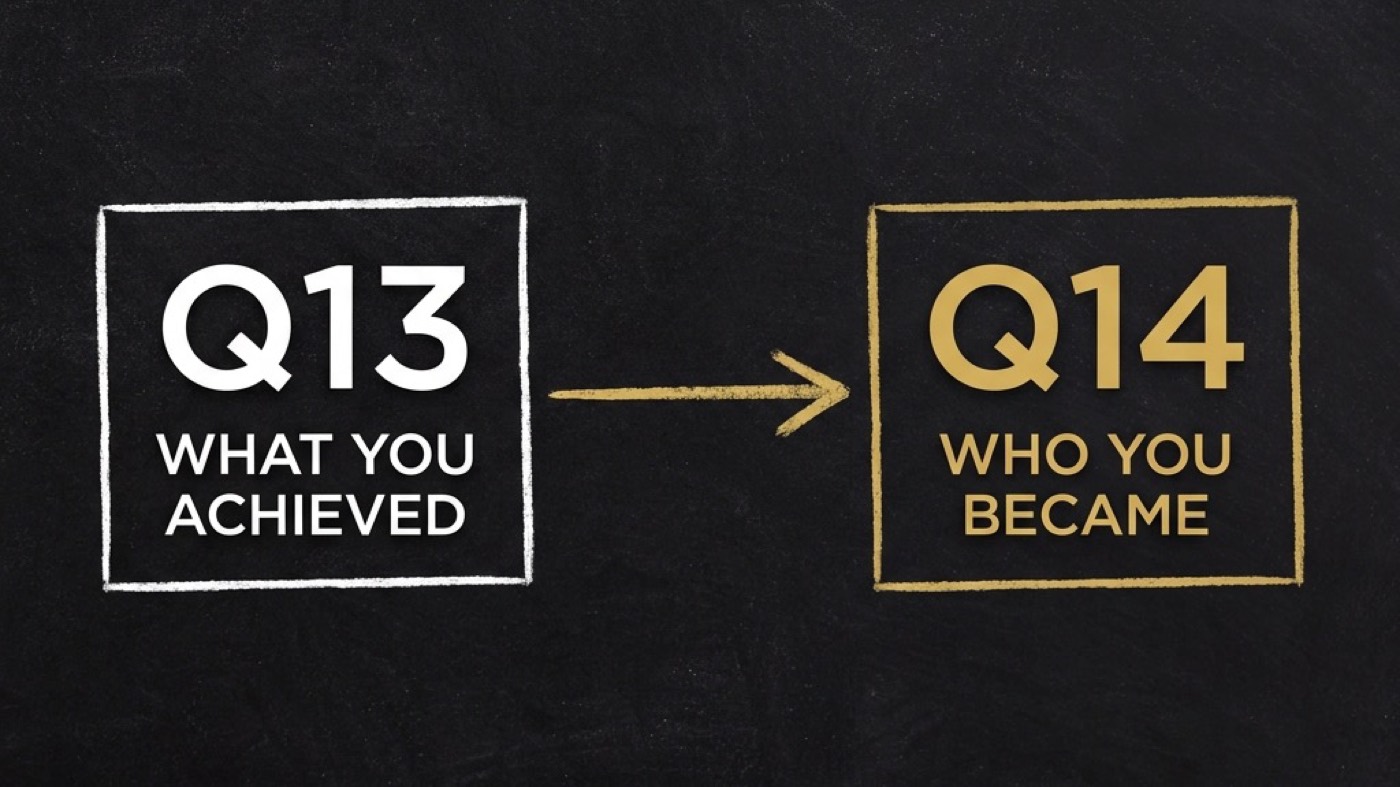
  who you became

then counts four numbers
before it calls the draft done.
The questions come from a named practitioner script with page numbers attached. The numbers come from a corpus, not a preference. Anything you did not answer comes back listed as a gap, never quietly filled in with something plausible.
The bet is simple: the parts of writing everyone calls taste are partly countable, and the countable part is where an agent stops guessing.
The three decisions doing most of the work
Story and explainer are different registers, measured differently
Two modes, not one bar. An explainer is allowed long sentences and heavy second person. A story is not. Running one standard across both flattens whichever one you cared about, which is why the gate asks which register you are in before it judges anything.
The method is cited, not paraphrased
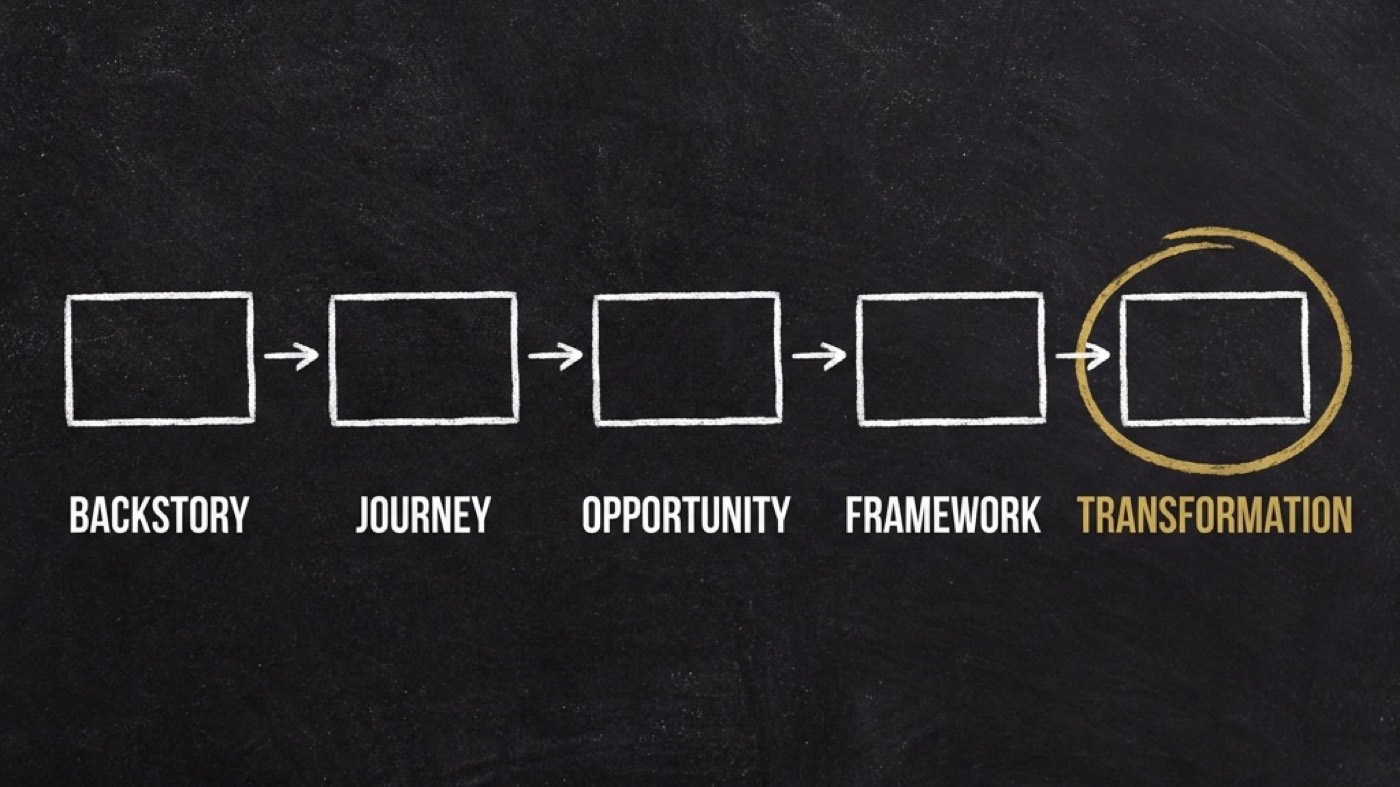
The Epiphany Bridge ships with its five phases, its fourteen questions, and pp.213-222 attached. The Hero’s Two Journeys ships with pp.197-211. Evidence is labelled pattern-level, because a framework being widely taught is not the same as a measured conversion lift, and pretending otherwise is how copy skills lose trust.
It will not invent your results
The two questions that carry performance claims are the two the skill refuses to answer for you. No supplied number means the section is written without it and flagged as missing. A reader who checks one figure and finds it hollow will not check a second.
The spine, and the ending most launch posts never reach
What the register gate actually returns
> verify-narrative-voice --mode story draft.md

  words=2435  sentences=182

  FAIL  em-dashes           17    (want 0)
  FAIL  1st person /1k    16.8    (want 30-50)
  FAIL  2nd person /1k    11.1    (want 15-30)
  FAIL  avg sentence      13.4    (want 8-11w)

  RESULT: FAIL (4 bars out of range)

  → same material, rewritten as a story

  PASS  em-dashes            0
  PASS  1st person /1k    39.8
  PASS  2nd person /1k    26.8
  PASS  avg sentence       9.9

  RESULT: PASS
That first draft is real, and it had already passed every other gate in the skill. None of those four numbers were visible by reading it. The bars come from a corpus of 83 high-performing posts combined with the measured targets in the brand voice file, and they are register targets rather than a promise about conversion.
New in v0.7.0: a video script, timed beat by beat
Ask for a demo, an ad, a short or a tutorial and you get a beat table: one row per shot, with the voiceover, the text on screen and a word budget for that row, in each language. A selling video takes its structure from webinars, the first 3 seconds come from hook-generator, and the timing comes from video-director. This is its check, run on real audio.
> verify-vo-fit before.json --lang en --tts before-tts.json

  beat      window  tokens  speech  status
  0-6s        5.9      30    9.15   FAIL +3.25s · max_words 14
  6-14s       7.9      25    8.62   FAIL +0.72s · max_words 18
  14-24s      9.9      38   14.03   FAIL +4.13s · max_words 23
  24-38s     13.9      26    9.61   PASS
  38-50s     11.9      30   10.84   PASS
  50-56s      5.9      26    9.49   FAIL +3.59s · max_words 14
  56-60s     3.75      17    5.79   FAIL +2.04s · max_words 8

  fill: ~67.53s of speech in 60s (113 %)
  RESULT: FAIL (5 fail, 5 warn)

  → same seven shots, each failing line rewritten to its max_words

  0-6s  hook      5.9      12    2.99   PASS
  6-14s ask       7.9      16    5.38   PASS
  14-24s read     9.9      18    6.19   PASS
  24-38s fail    13.9      28    8.16   PASS
  38-50s pass    11.9      22    7.51   PASS
  50-56s receipt  5.9      12    3.49   PASS
  56-60s close   3.75       5    1.47   PASS

  fill: ~35.19s of speech in 60s (59 %)
  RESULT: PASS (0 fail, 1 warn)
That is section-designer’s own 60-second demo script, before and after. The picture did not change, only the words. The install command, the package name and the scores moved to the screen, and each line now says one thing. The close used to say “OPVS”, which the clock counts as four spoken letters, so the name moved to the screen too. The one remaining WARN is a 6.6-second sentence against a provisional 6-second breath guideline, and it is shown rather than hidden. The Russian table also passes, 0 of 7 at 37.22 s, and still needs a native review. Start, length and fill columns are trimmed from the printout.
It writes and it measures. It cannot answer the fourteen questions for you.
copy-engine is one skill in the system behind Di-Atomic, the marketing and compliance agency that runs cognitoAI, SpiderIQ and OPVS. The material has to be yours, because the whole value of the register is that it is real. For a video it writes the words and stops there: the shot list and the timing verdict belong to video-director. If you would rather have the questions asked out loud and the piece written with you, in any of our seven languages, that is the day job.
Book a 30-min call with Di-AtomicJust want the skill? Get @di-atomic/copy-engine free.