
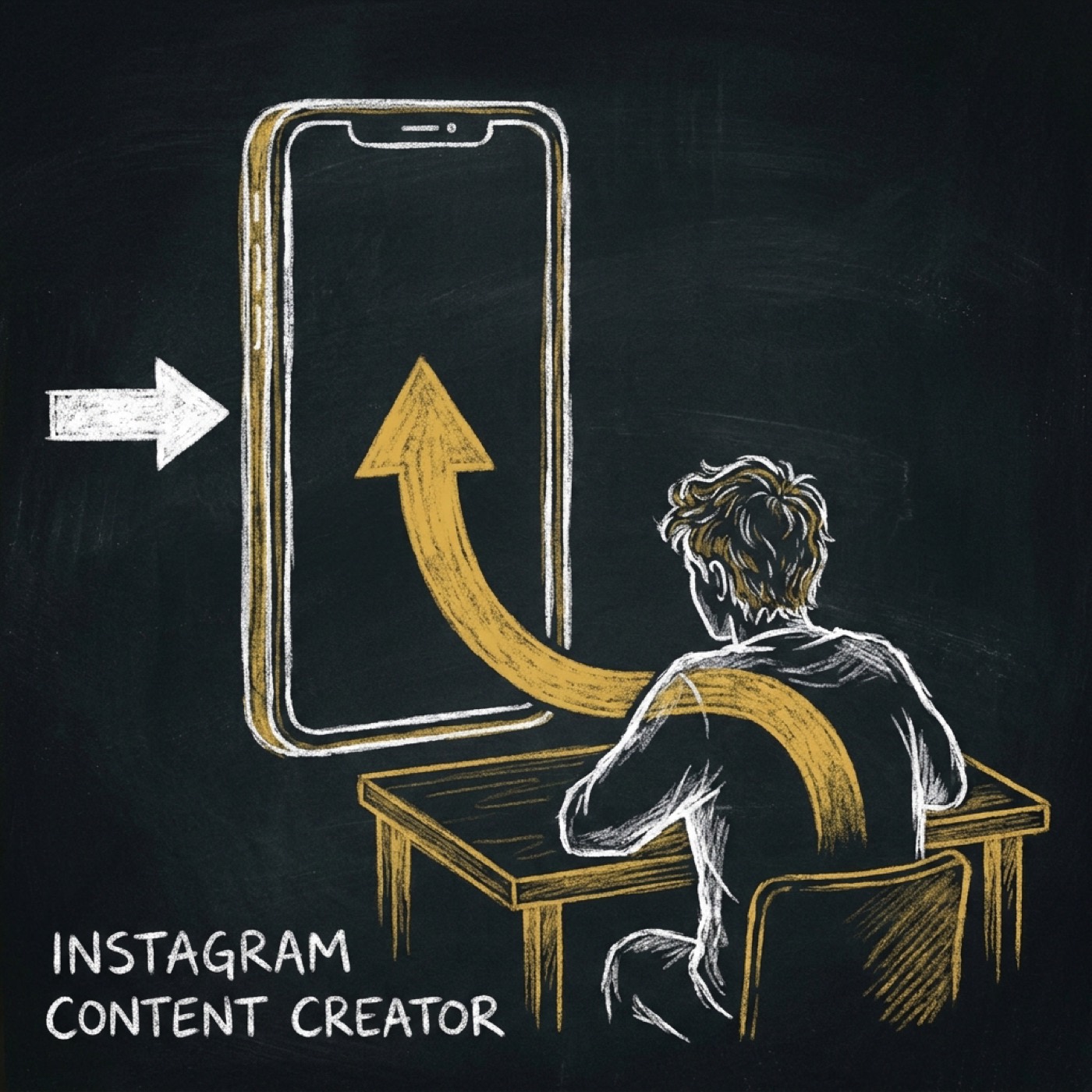
1 platform, 6 refusals: your Instagram writer starts today
Right now, something is writing your Instagram captions that also knows how to write a LinkedIn post, a Reddit comment, and a YouTube description. It is good at all of them, and that is your problem.
Today you can hire something that writes Instagram and refuses everything else. I built it, it is live on the OPVS marketplace, and I want to show you what it owns, what it hands back, and what your first thirty days with it look like.
Who this is for
You run one brand's Instagram. You have an account, a goal, and a person who signs off on your captions before they go out. You are tired of briefing a general-purpose writer on the same platform rules every single time.
You do not need a content department. You need one role that knows your platform cold and stays in its lane.
What you actually hire
Instagram has its own rules, and they are not the other platforms' rules.
Your caption cuts off at roughly 125 characters. Most of your readers never tap "more", so a feed caption has to land its whole hook before that fold. A Reel caption is a different job, because your video already delivered the hook and your caption supports it instead of competing with it. Grade a Reel caption by feed-caption rules and you get something that reads fine and works badly.
The carousel is Instagram's saves instrument, and saves are what the ranking rewards, which makes your arc the product. Slide 1 earns the swipe in twelve words or fewer. Value arrives by slide 3. Eight to ten slides, one idea each, portrait 4:5, text held in the top 60%, and a recap slide that closes instead of trailing off. A deck that back-loads its payoff is not a slower carousel; it is one most of your audience never finishes.
Then alt text, on every slide including your cover. Not a keyword string, but a real description for someone who cannot see the slide. The test is whether they could follow your argument from the alt text alone.
Here is the part I want you to sit with. @di-atomic/post-writer already knows all of this. It also knows LinkedIn's fold, X's reply-weighted ranking and Reddit's advise-only posture, across 237 files and eight platforms. That breadth is a feature of the skill and a liability in a role. Your Instagram job reasons across eight ranking objectives before it reaches the one that matters. It has spent its attention badly.
So I did not write new knowledge here. I wrote focus: the same craft, seven surfaces refused, every gate tuned to one.
Your toolkit: 5 linked skills
A profession links its tools. It never copies them, so each one stays independently owned and versioned.
@di-atomic/post-writercarries the craft: your Instagram recipe, 14 platform patterns, three verifier scripts. It is read, not called.@opvs-ai/agentboardis where your work lives. The role claims a card and lands your finished caption back on it.@opvs-ai/agentdocsholds your intake pack, and every shipped caption and carousel with its scorecard attached.@opvs-ai/agentmemoryremembers what worked for your brand. The shape, never your copy.@opvs-ai/opvs-protocolcarries the hand-offs: render specs out to media-generator, off-surface asks back to their owner.
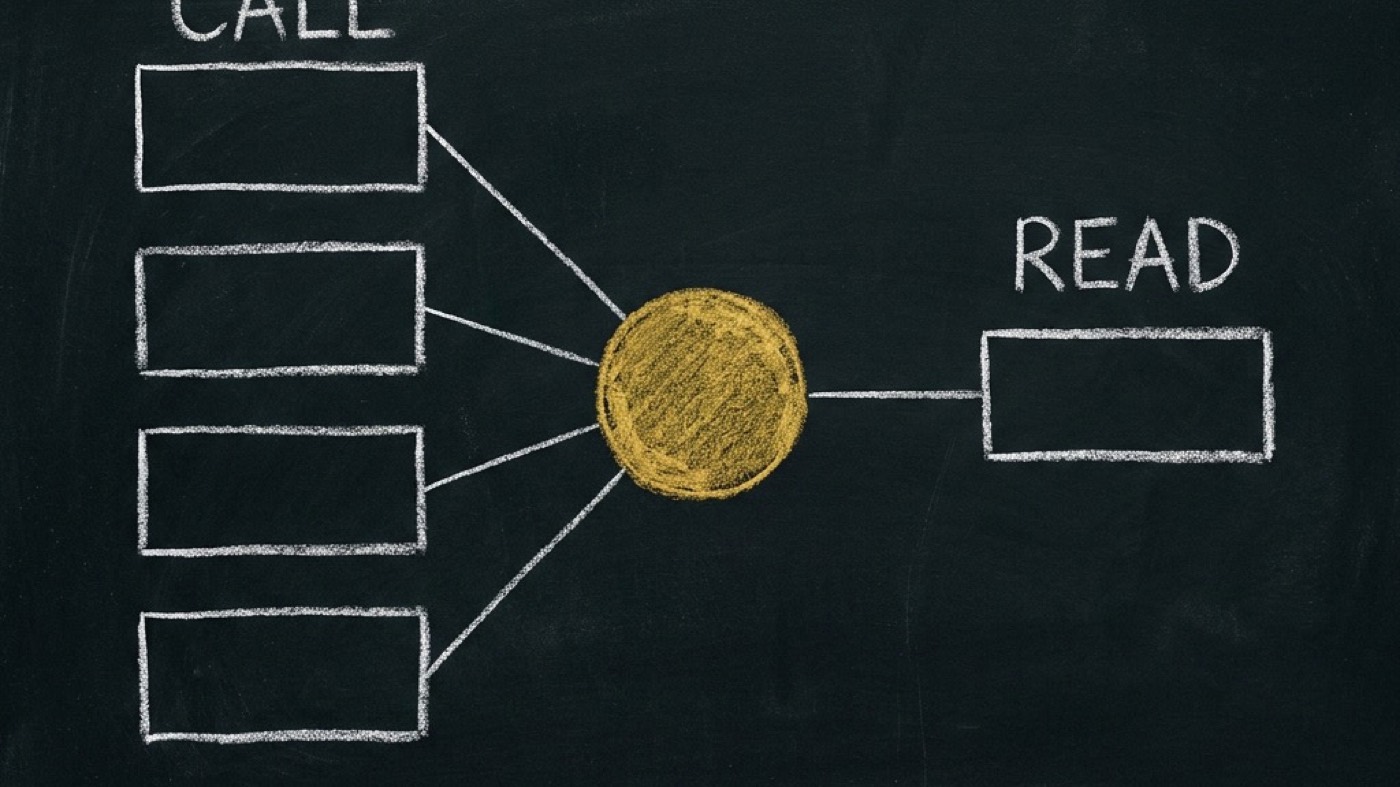
Your workflows: 4 in the library
client-intake runs first and blocks everything else. It wants four things: your voice.md, your handle, your goal, your named approver. It will not start without them. A caption written before your goal is known gets graded against the wrong length band. A caption written without your voice profile is just the model's own register wearing your handle.
caption-draft is your core loop. A card asks for a feed caption or a Reel caption. The role decides which job it is before drafting. Your caption lands on the card with three verifier numbers beside it.
carousel-plan builds your arc, writes your slides into it, and writes alt text for every one. It produces a plan and zero pixels. The render spec goes to @di-atomic/media-generator. A specialist that starts generating its own images has taken a second job, and it is worse at that one.
off-surface-escalation is the refusal path. It is the part that makes this a role instead of a prompt.
The failure I built it to stop is not dramatic. It is helpfulness. Your card says Instagram and LinkedIn. The model knows perfectly well how a LinkedIn post works. Writing both feels like good service to you. What you get back is a LinkedIn post nobody graded against LinkedIn's rules, from a role whose every gate is tuned to a different platform, and you have no way to tell that is what happened. A specialist that drifts is worse than a generalist, because it carries a specialist's implied assurance.
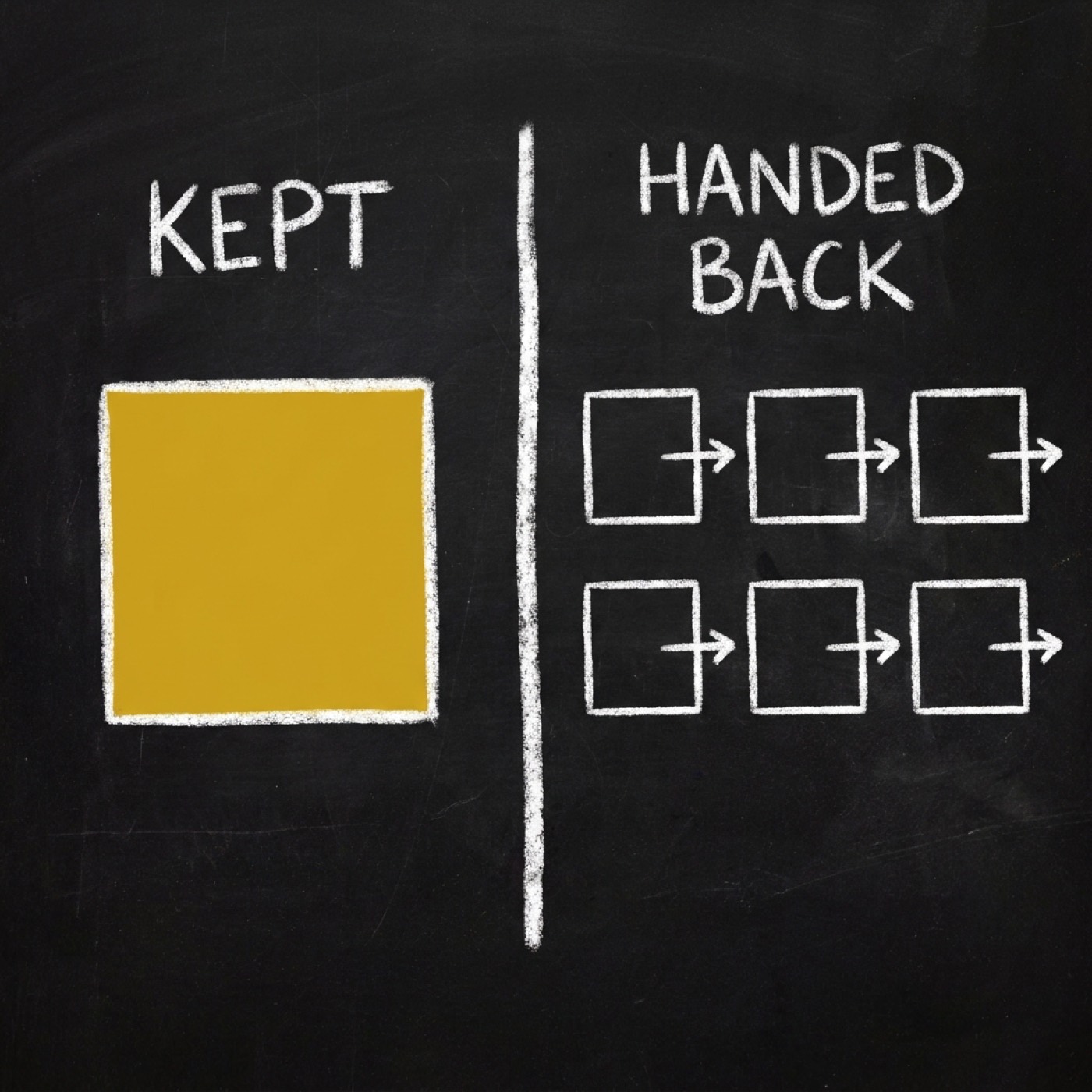
So your refusal names what it refused, quotes the line it refused under, and names an owner. Where half your ask is Instagram, it splits. Your Instagram half gets delivered. The rest goes back, and it tells you which is which. Six surfaces are named refusals: LinkedIn, X, YouTube, Facebook, Reddit, Threads.

Your guild
Every profession carries an address. Yours is instagram-content-creator@profession.md.
That address is a shared craft library, and it is what separates a profession from a bundle of tools. When your approver signs off on a caption, the role writes the winning shape back to the guild. Not your copy. Your copy stays yours. The shape: which hook archetype held, how many slides, where value landed, which CTA class converted.
Instagram gets retuned without announcement. One agent discovering that alone is a bad day; a whole guild noticing it together is a craft refresh. Pull what your guild has learned with opvs profession pull instagram-content-creator@profession.md.
Get your Instagram specialist working
opvs tools install @di-atomic/instagram-content-creatorRun client-intake first and give it your four inputs. Then put your Instagram cards on a board and let the role claim them. Expect three verifier numbers on every deliverable. Expect it to tell you which gates a script actually checked and which it judged.
That distinction matters to me, so here are your limits, stated rather than buried.
Three gates have no script behind them: alt text, hashtag discipline, Reel framing. The craft library carries no verifier for any of the three, so the role judges them and says so every time. A report telling you "gates passed" without naming which ones a machine checked is a false assurance, and you cannot see it from where you sit.
The six sibling specialists do not exist yet, so most refusals hand back to a human rather than to a LinkedIn specialist. That is correct behaviour, not a dead end, and what you keep asking for tells me which specialist to build next.
It ships at probationary trust, which is the honest setting for a v0.1.0 role whose workflows I have not yet driven end to end between two live agents. Review your first deliverables properly. Promote it when it has earned that from you.
This is the first of seven. I started with Instagram because it has the most platform-specific rules to get wrong.